Dry Detention Basins for Stormwater Control
Naturescaping Enhances Wildlife Habitat & Your Property Value
Dry Detention Basins for Stormwater Control
Naturescaping Enhances Wildlife Habitat & Your Property Value
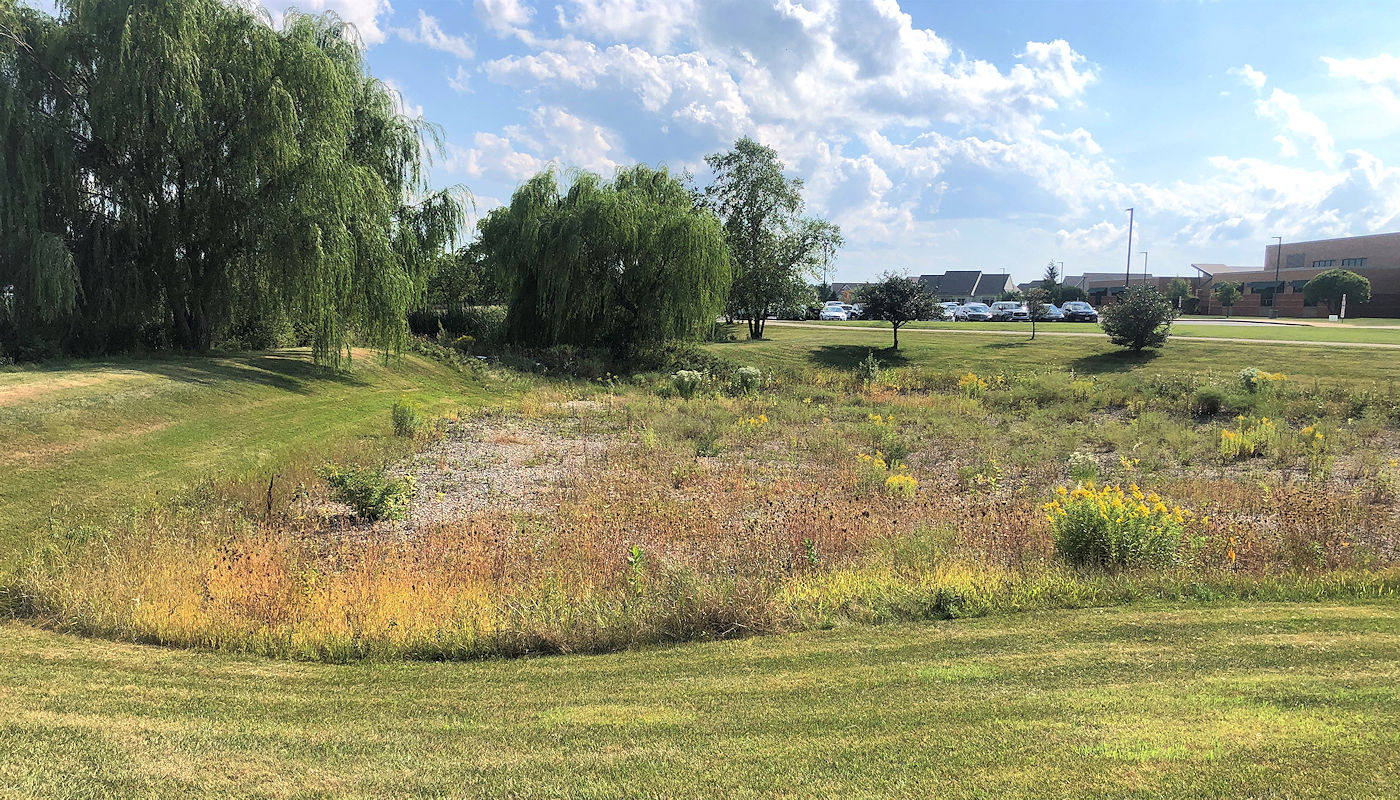
A dry detention basin is a stormwater management structure that temporarily stores runoff from large rain events and releases it slowly to prevent downstream flooding and erosion. A dry detention basin does not have a permanent pool of water, unlike a stormwater retaining pond, which is designed to hold water for longer periods and provide some water quality benefits. A dry detention basin may also be called a dry pond, an extended detention basin, or a detention pond. [1][2]
What role does it play in stormwater storage and control?
The role of a dry detention basin is to reduce the peak flow rate and volume of stormwater runoff that reaches the receiving water body, such as a stream or a river. By doing so, a dry detention basin can help mitigate the impacts of urbanization on the hydrology and ecology of the watershed. A dry detention basin can also remove some pollutants from the runoff, such as suspended solids, by allowing them to settle in the basin. However, a dry detention basin is not very effective at removing dissolved pollutants, such as nutrients, metals, or bacteria. [1][2]
What determines the dimensions of a dry detention basin or retaining pond?
The dimensions of a dry detention basin or a retaining pond depend on several factors, such as the size and characteristics of the contributing drainage area, the design storm event, the desired storage volume and release rate, the infiltration rate of the soil, the slope and shape of the basin, the outlet structure, and the local regulations and standards. Generally, a dry detention basin or a retaining pond should be designed to provide adequate storage capacity for the water quality storm, which is usually defined as the storm that produces the first inch of runoff or the runoff from a 1-year, 24-hour storm. The outlet structure should be sized to limit the discharge rate from the basin to the pre-development conditions or the allowable downstream capacity. The basin should also have an emergency spillway to safely convey excess flows from larger storm events. [3][4]
What other drainage control features direct stormwater into them?
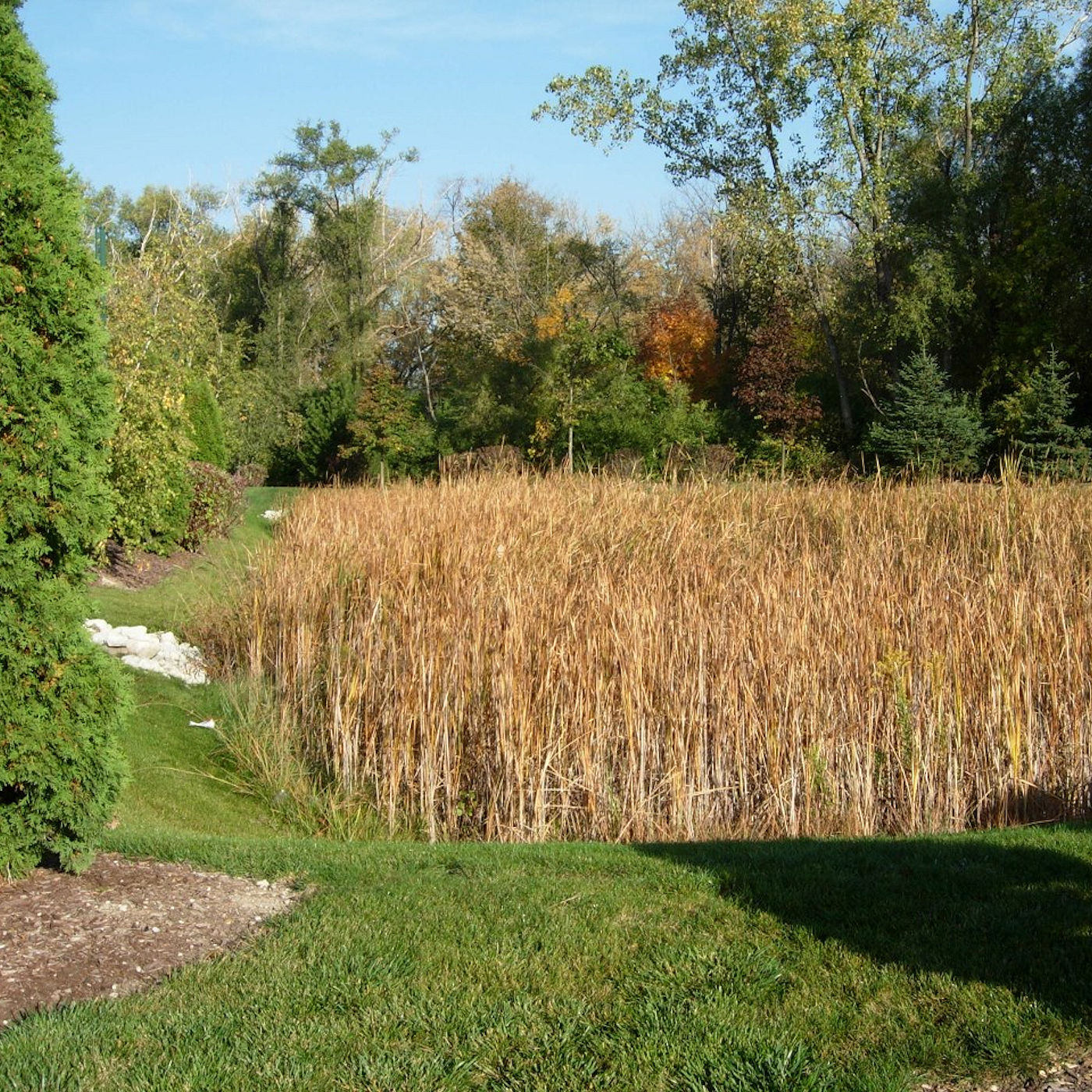
Other drainage control features that direct stormwater into a dry detention basin or a retaining pond include catch basins, storm drains, pipes, culverts, swales, ditches, channels, and gutters. These features collect and convey stormwater runoff from the impervious surfaces, such as roads, parking lots, and rooftops, to the basin or the pond. Swales and other types of open trench drainage features can also provide some infiltration and treatment of runoff before it reaches the basin or the pond. Swales and other drainage features can be terminated at the dry detention basin or the retaining pond, or they can be connected to the inlet or the outlet of the basin or the pond, depending on the site layout and the design objectives. [5][6]
What are some of the steps involved in planning and building a dry detention basin?

The benefits of a dry detention basin for a property owner may include:

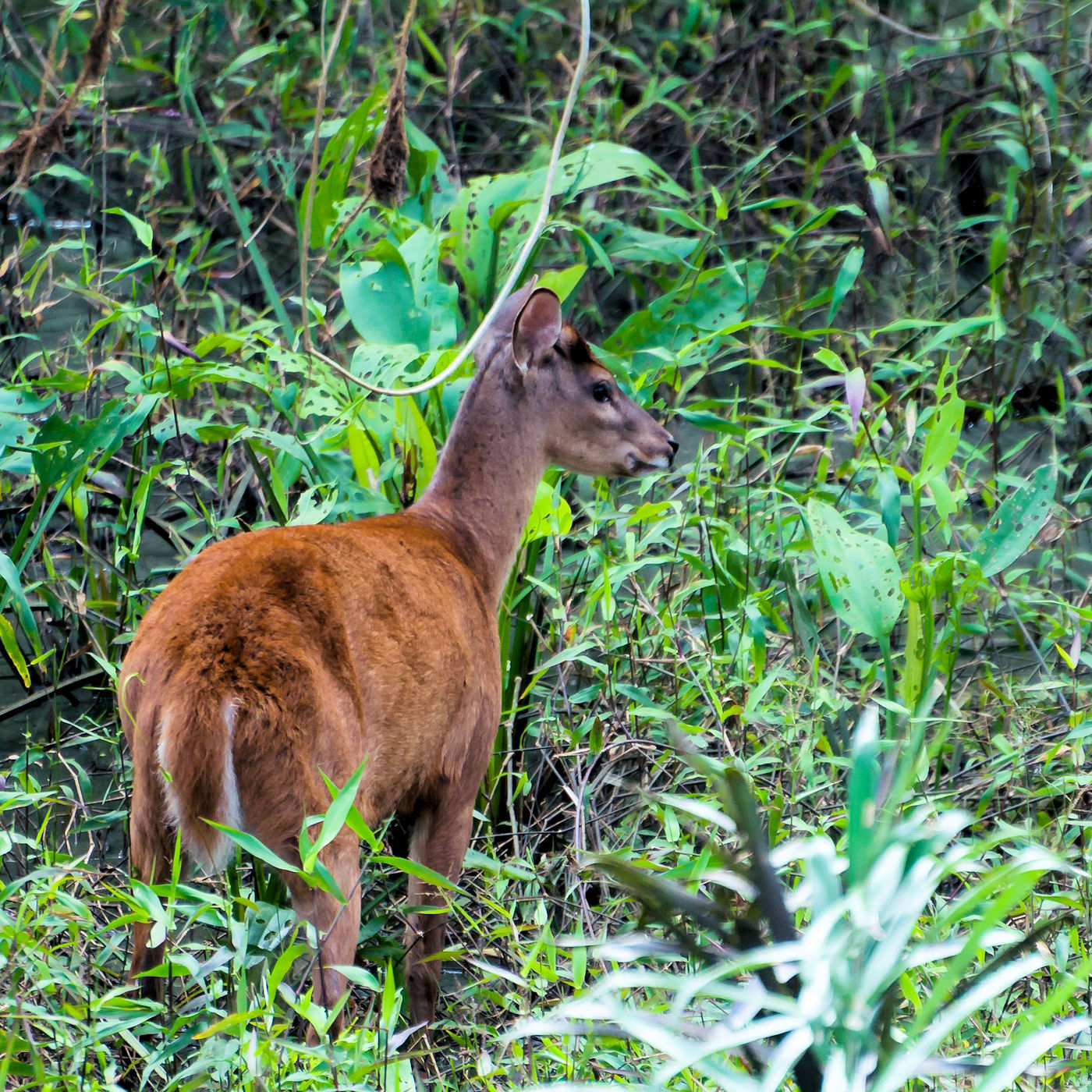

The benefits of a dry detention basin for wildlife habitat may include:

What are some common mistakes in building a dry detention basin?
Resources
Past Excavation Projects
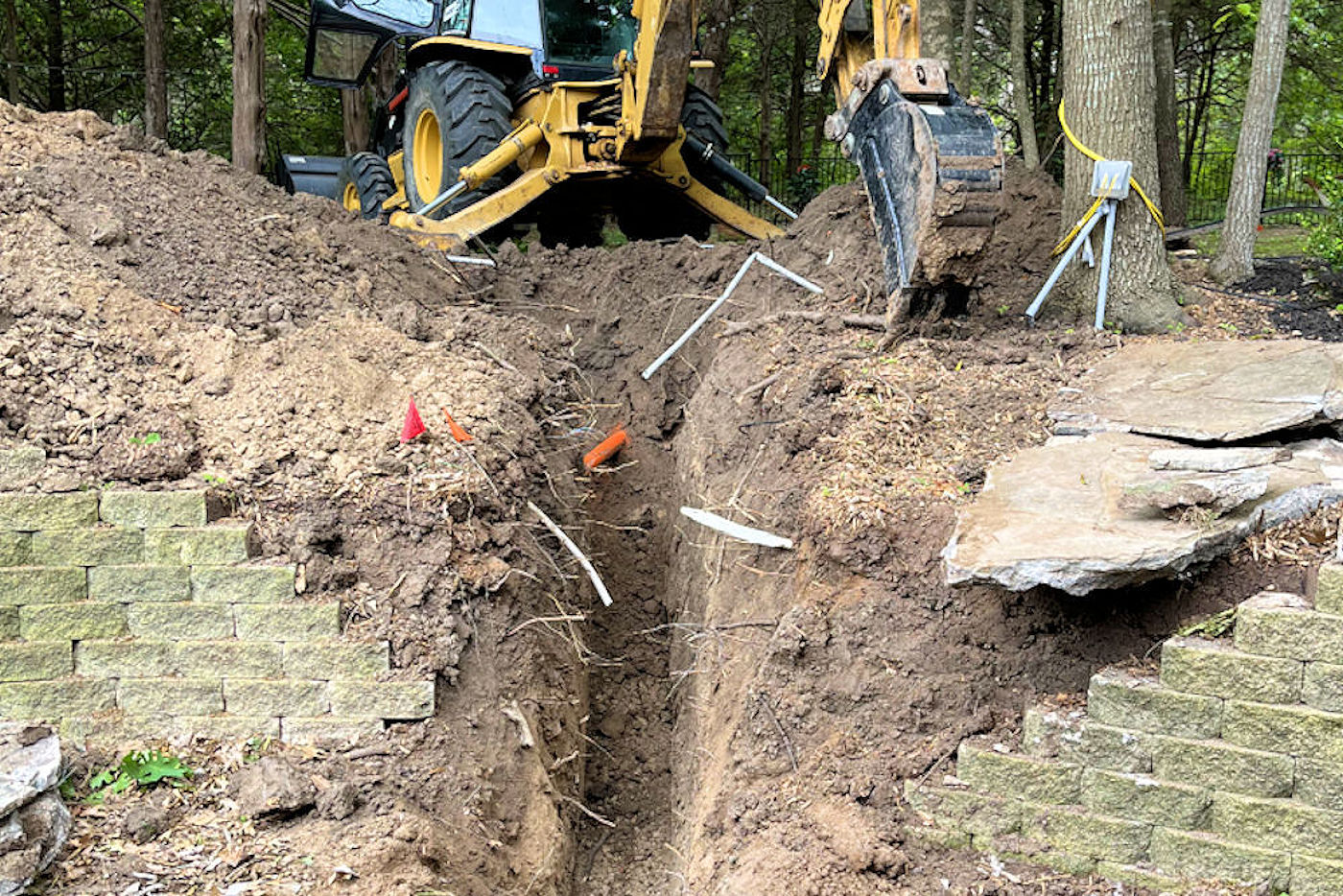
The above image shows Texoma Excavation & Construction digging a new power supply ditch and tying into the existing live power supply near Melissa, Texas. The paver stones were salvaged to be replaced. All the PVC, electrical conduit, phone lines, and small electrical lines that were destroyed were anticipated.

Pond building is a complex process that requires careful planning and execution. After all the planning, the first construction step is excavation of the area where the pond will be located. The pond excavation work shown above was near Montague, Texas. When this pond is full, it will be 7′ 2″ deep at its deepest point.
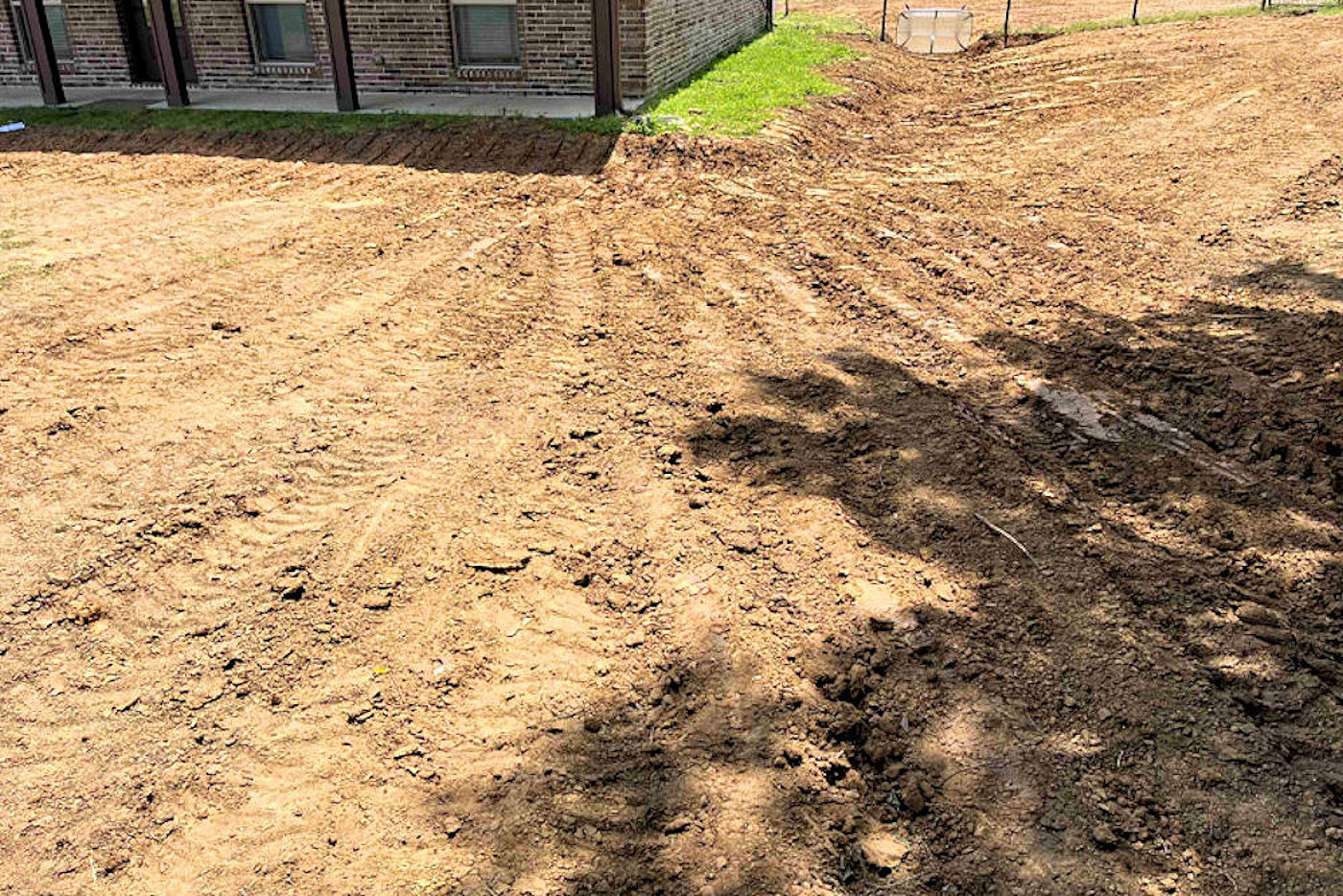
Residential drainage excavation work done near Denison, Texas. This client had some significant drainage problems during periods of high-volume runoff and tried to excavate a ditch to channel water away from his house. We were hired to polish the existing ditch and spread some grass seed.