Dry Well Drainage Systems – Texoma Excavation & Construction

Dry Well Drainage Systems

Landscape Drainage Services from Texoma Excavation & Construction

Dry Well Drainage Systems

Landscape Drainage Services from Texoma Excavation & Construction

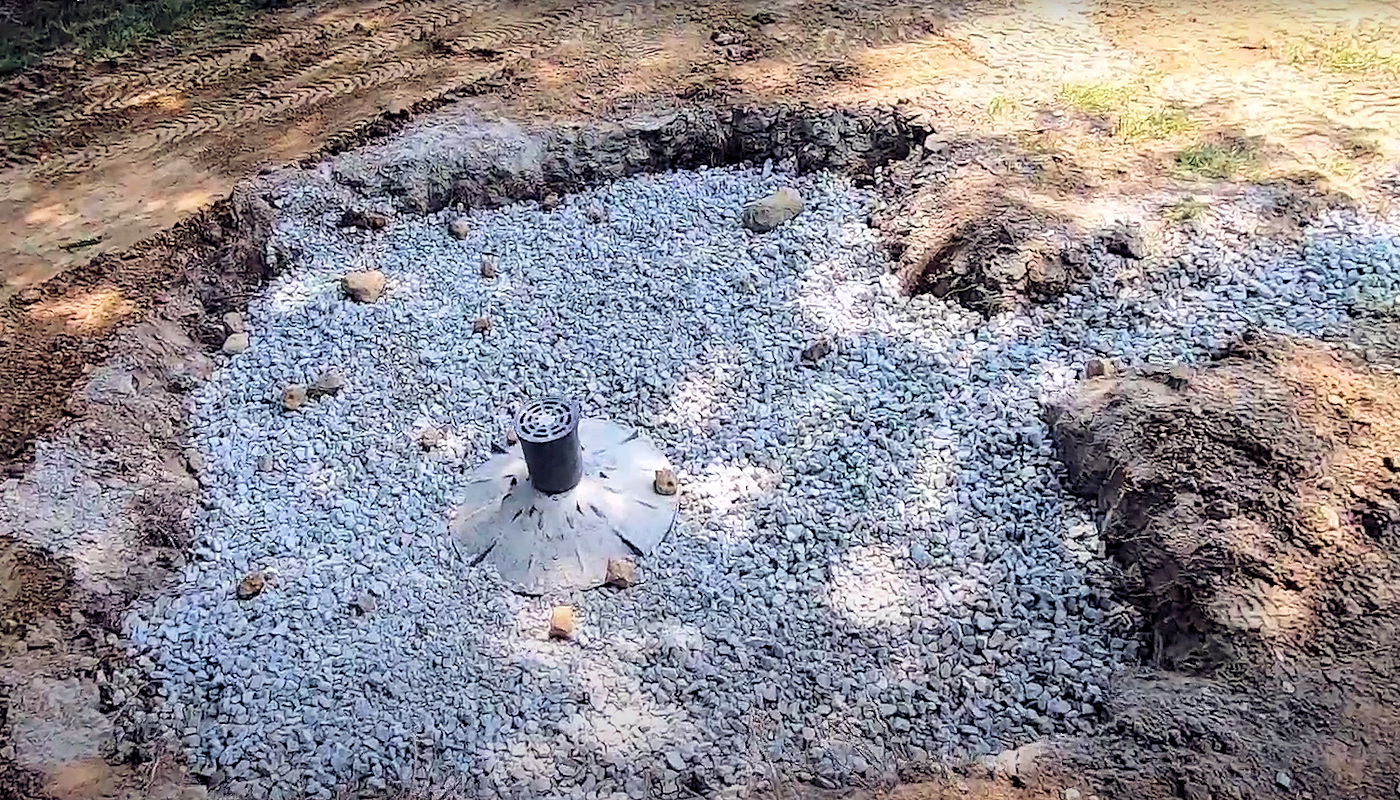
A dry well is a hole in the ground that is filled with gravel and surrounded by landscape fabric. It collects water from the surrounding area and allows it to seep into the ground slowly.

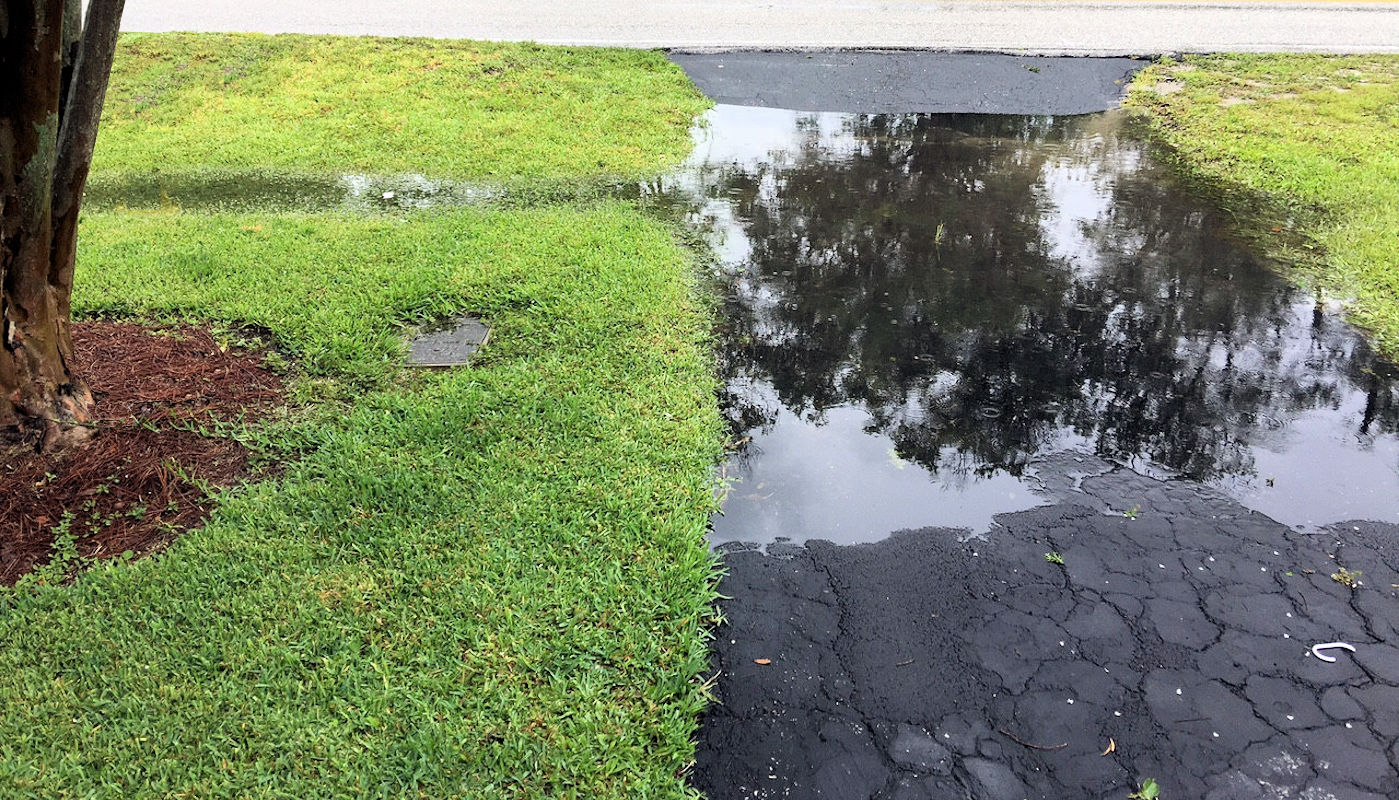
Installing a dry well is one of the most useful and popular of many methods that are employed to drain excess stormwater from your yard. Whatever method you chose to redirect excess stormwater, they all have the same goal: to avoid the inevitable problems and damage that such drainage brings. If your yard has poor drainage and your property floods relatively often and quickly when you get heavy rain, you should consider adding one or more dry wells.

The Purpose of a Dry Well

The purpose of a dry well drainage system is to dispose of unwanted water, such as surface runoff, stormwater, or greywater, by dispersing it into the ground. A dry well drainage system works by using gravity to direct water toward a buried tank that has porous walls and is filled with gravel or other materials. The water seeps through the walls of the dry well and the gravel, and gradually infiltrates into the surrounding soil. A dry well drainage system can help reduce erosion, flooding, and pollution caused by excess water runoff of hardscape areas (roof, driveway, patio, street, etc.) that often contain chemical pollutants. The filtering process of the dry well, like that of a French drain, allows the water to be cleaned by the natural filtering process before making its way into storm sewers.

Other drainage features such as French drains or dry creek beds are often build in conjunction with a dry well. They terminate at the dry well, with the water they collected flowing into it. Ultimately their purpose is to collect water from a larger area, such as a slope or a swale, and direct it to the dry well.
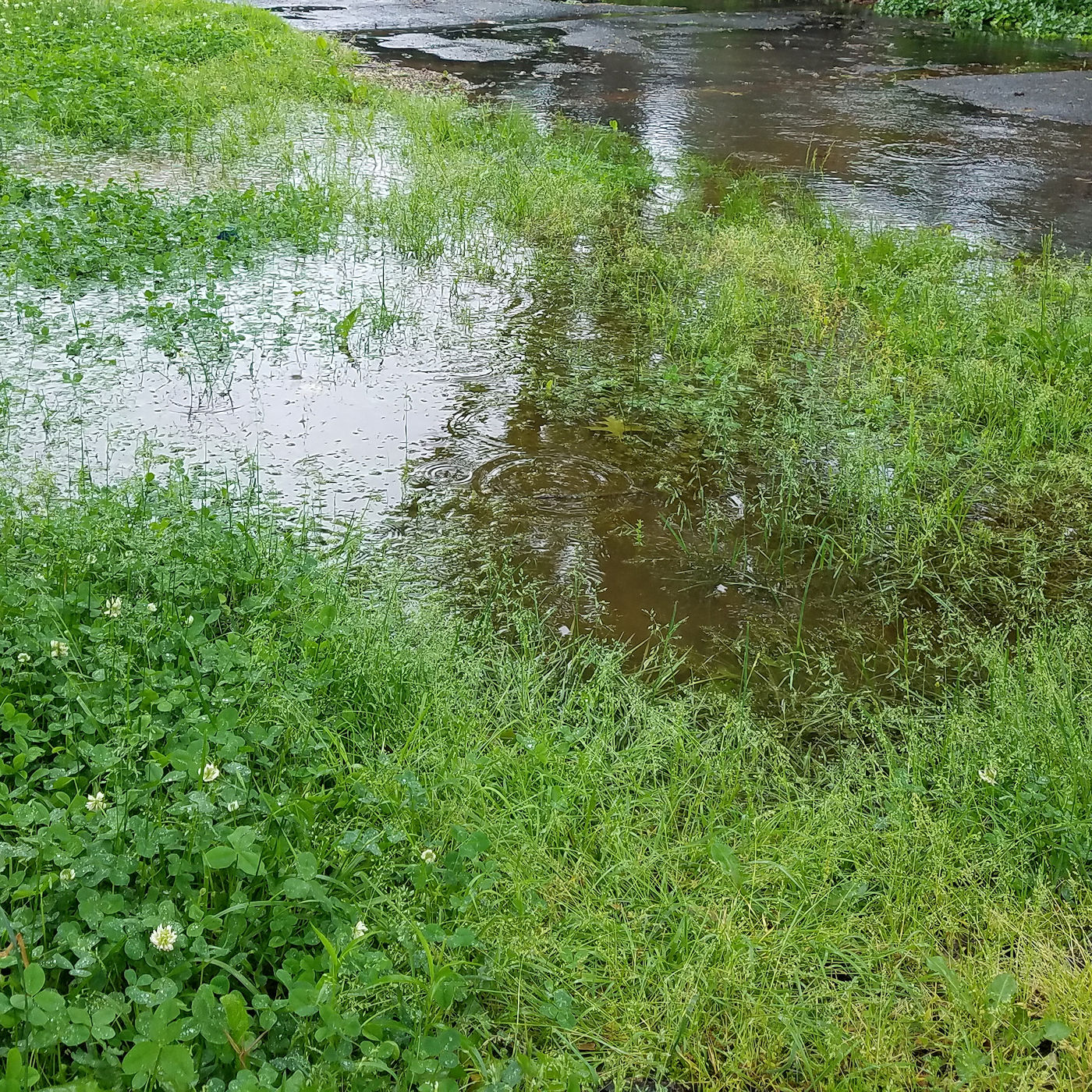
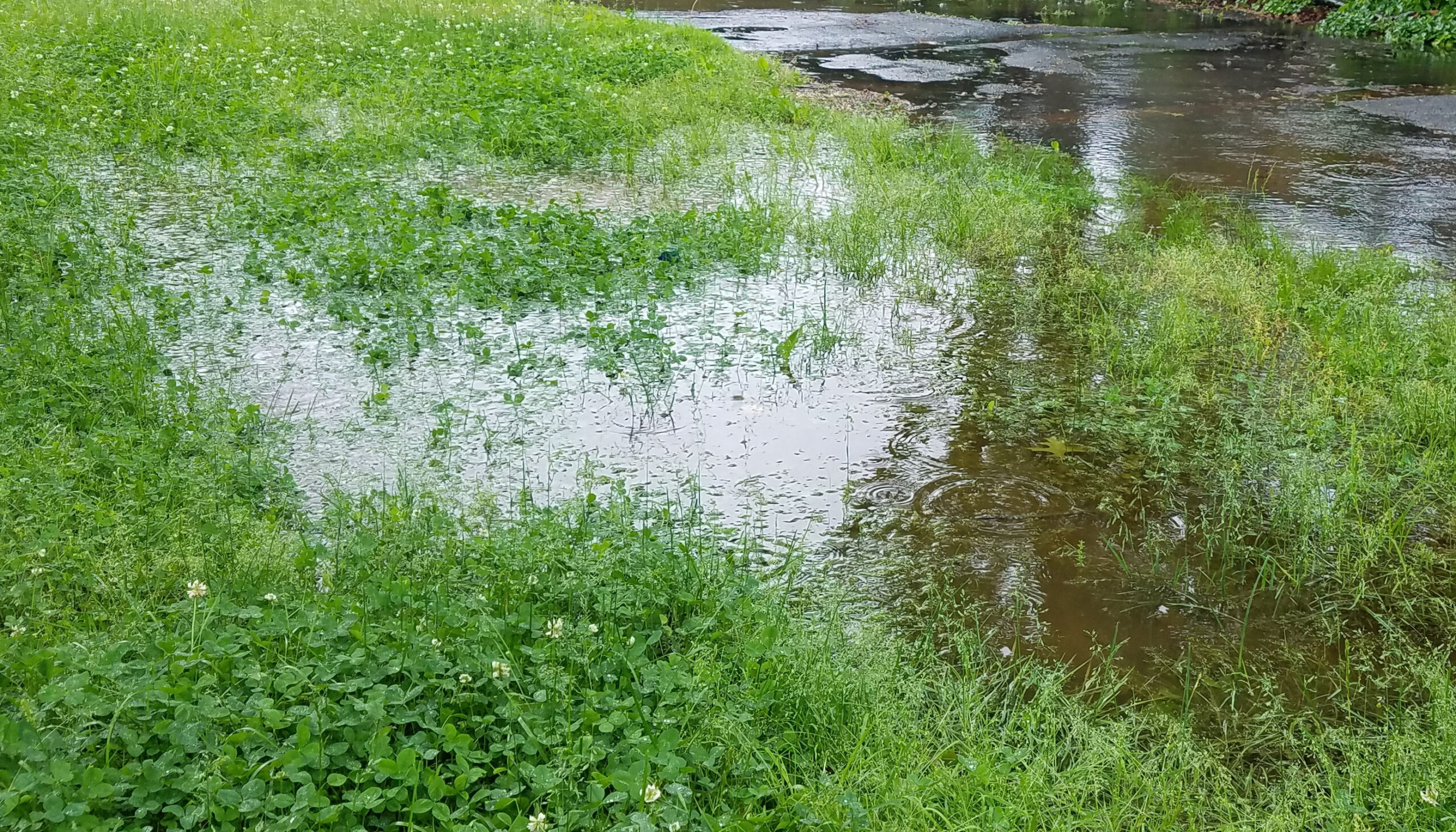
Warning signs of drainage problems - Texoma Excavation & Construction

What are the benefits of a dry well?

What are the benefits
of a dry well?

  • Prevents water damage to buildings by diverting excess water away from the foundation and basement, where it could cause cracks, leaks, mold, and structural problems.
  • Prevents water pooling in low-lying areas of the yard, which can create mosquito breeding grounds, kill plants, and attract pests.
  • Provides a way to reuse water for irrigation or other purposes by collecting and storing rainwater or greywater.
  • It can reduce the adverse effects of stormwater runoff on streams and rivers by capturing urban stormwater and preventing it from entering water bodies where contaminants could cause pollution and erosion.

It can also prevent water from overloading the municipal storm drains, which can lead to sewer backups, street flooding, and water pollution.
  • It can recharge local groundwater supplies by allowing water to seep into the underlying aquifers, which can help increase water resource security by mitigating the effects of drought or excessive groundwater extraction.
What are the steps in planning & building a dry well? – Texoma Excavation & Construction

What are the steps in planning &
building a dry well?

What are the steps in planning
& building a dry well?
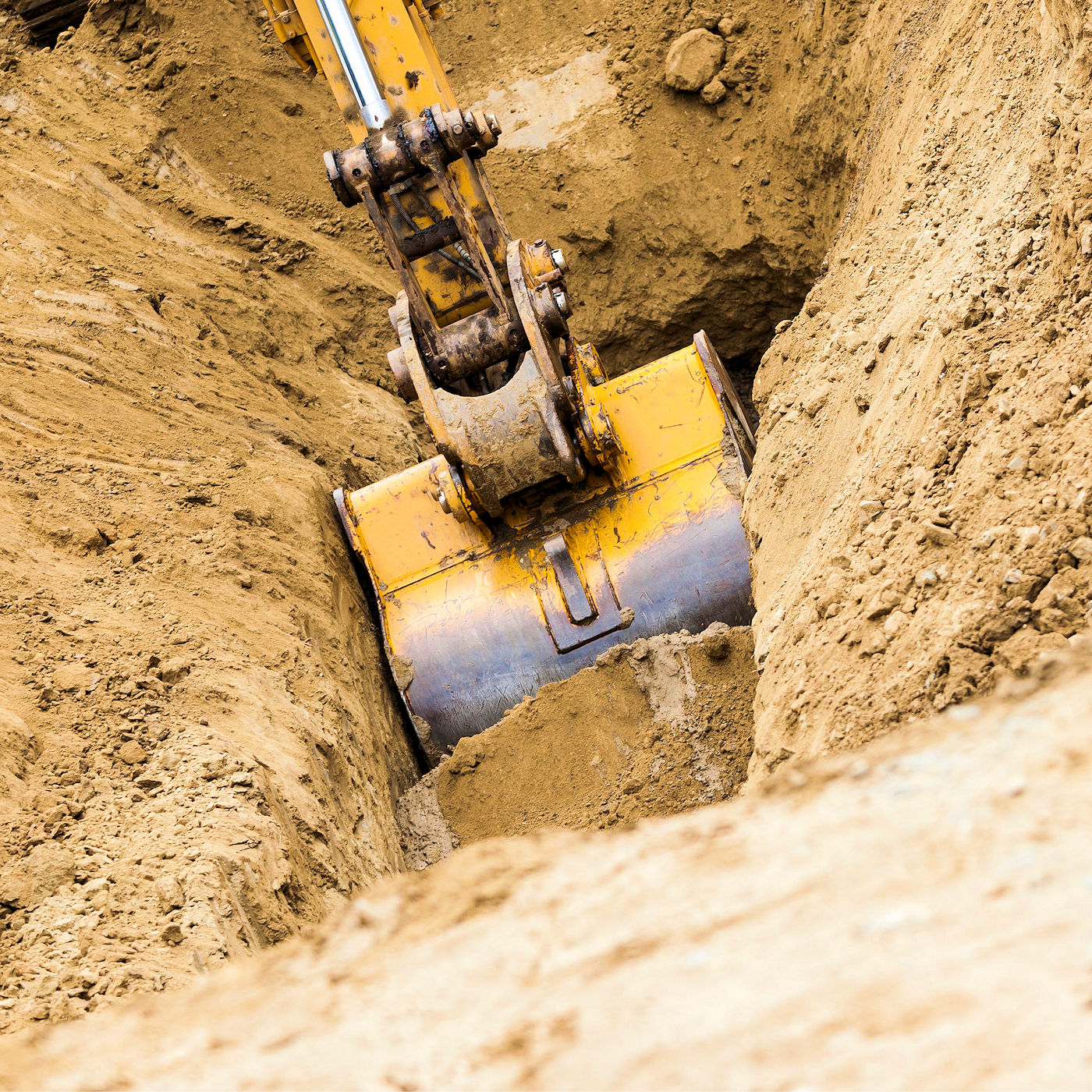
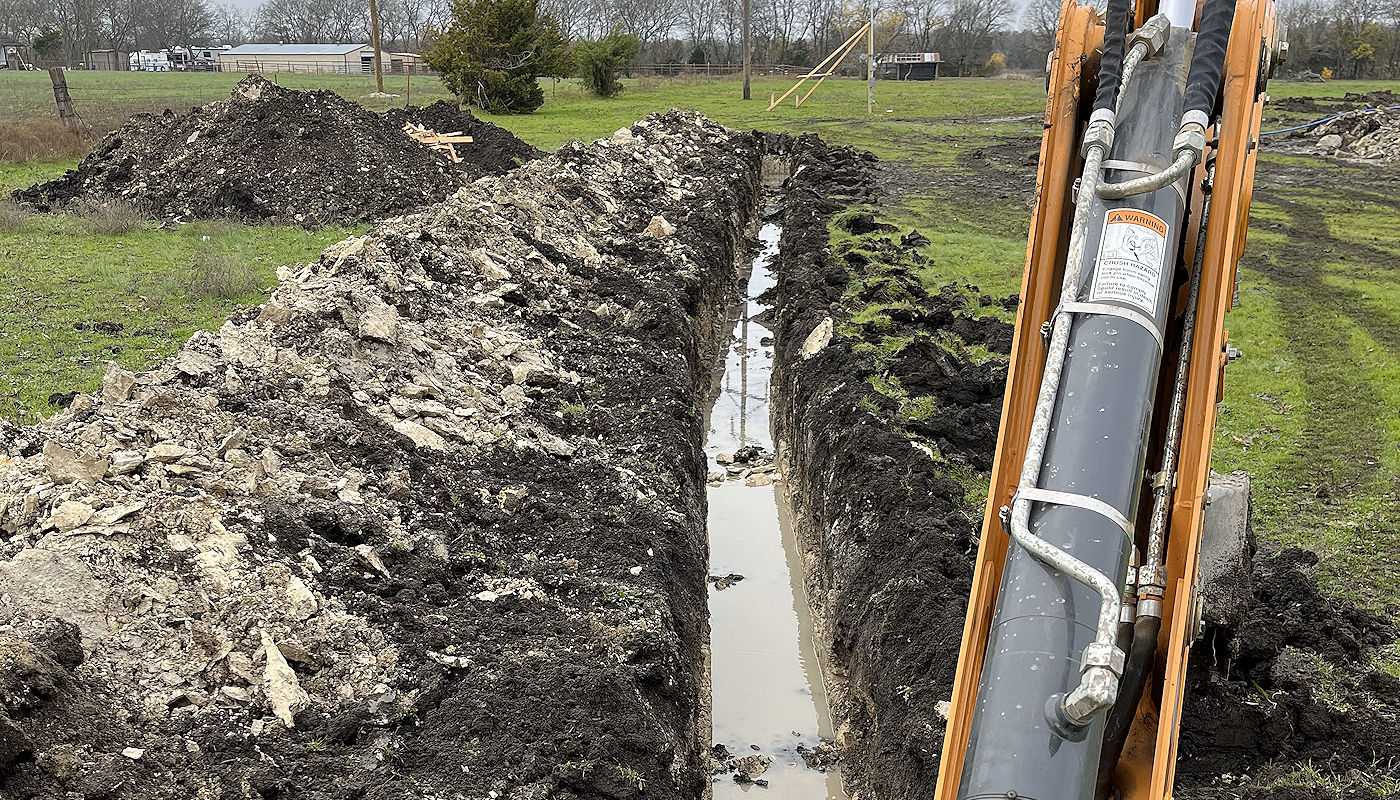
  • Buy enough 4inchdiameter PVC pipe to reach from the end of the downspout to the hole. Also buy an elbow and a downspout adapter. Dryfit the pieces and lay the pipe in the trench. Then glue the pieces together with PVC cement[1][2].
  • Check the pitch of the pipe with a 2foot level. It should have a 1/2 inch gap under one end when held level. Adjust the pitch by adding or removing soil under the pipe [1][2].
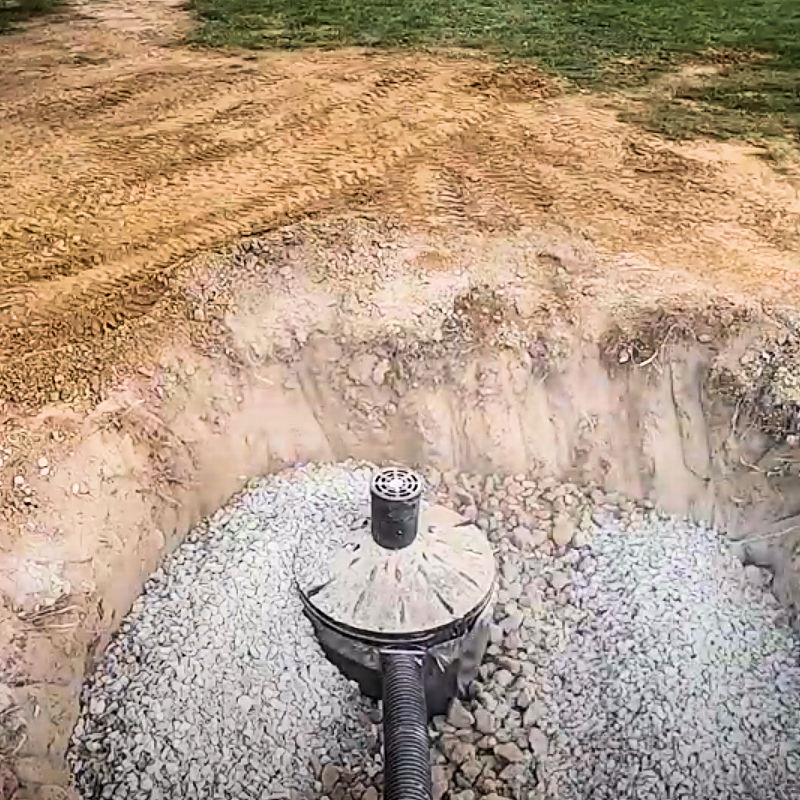
  • Install a dry well tank or barrel in the hole. It should have perforated walls and an open bottom. Attach the pipe to the tank and cover it with gravel or stone [1][2].
  • Cover the gravel with the landscape fabric and backfill the hole and trench with soil. Replace the sod or plant grass seeds to restore the lawn [1][2].
What are the steps in planning & building a dry well? – Texoma Excavation & Construction
  • Determine the size of your garden: The size of your rain garden will depend on the amount of runoff you want to capture. A good rule of thumb is to make the garden one-third the size of the impervious surface draining into it [13][14].
  • Choose native plants: Native plants are best suited for rain gardens because they can tolerate wet sites. Use native grasses, sedges, and rushes in at least one-third to one-half of the rain garden. You can also use native flowering plants and shrubs to add color and attract pollinators [12][14].
  • Prepare the garden area: Using a shovel, dig out the soil to a depth of 6 inches, gently sloping down from the outside edges to the center where it should be deepest. Use the loose soil to create a low berm on the lowest side of the rain garden. As water flows into your new rain garden, the berm will help hold it long enough to seep into the soil. If you make the garden deeper than 6 inches, mosquitos could become a problem because it will take the water longer to percolate down and evaporate completely [12][14].
  • Plant the rain garden: Plant your rain garden with native plants and grasses. Be sure to water them regularly until they are established. Cover the soil with a layer of mulch to help retain moisture and suppress weeds [12][14].
  • Maintain the garden: Once your rain garden is established, it will require minimal maintenance. Remove any weeds that appear and prune back any dead or damaged plants. You can also add new plants to the garden as desired [12][13].
Dry Well Drainage Systems – Texoma Excavation & Construction

Where To Build (and not to build)
Your Dry Well

Where To Build (and not to build)
Your Dry Well

  • It is at least 10 feet away from the building foundation and 3 feet away from any property line [6].
  • It is downhill from the source of water, such as a downspout, sump pump, or driveway [5].
  • It is in an area with suitable soil conditions, such as sandy or loamy soil, that can absorb water quickly and prevent clogging [6].
  • It is not in an area with high water table, bedrock, clay, or contaminated soil, which can limit the effectiveness and safety of the dry well [6].

Resources

Trench Digging Excavation Services by Texoma Excavation & Construction – Texomaland & North Texas
Pond Building Services by Texoma Excavation & Construction – Texomaland & North Texas
Landscape Grading & Drainage Contractor Services - Texoma Excavation & Construction in Denison Texas
French Drain Systems - Texoma Excavation & Construction – Texomaland & North Texas
Where is my water meter & water shut off valve located? - Texoma Excavation & Construction – Texomaland & North Texas - Texoma Excavation & Construction – Texomaland & North Texas