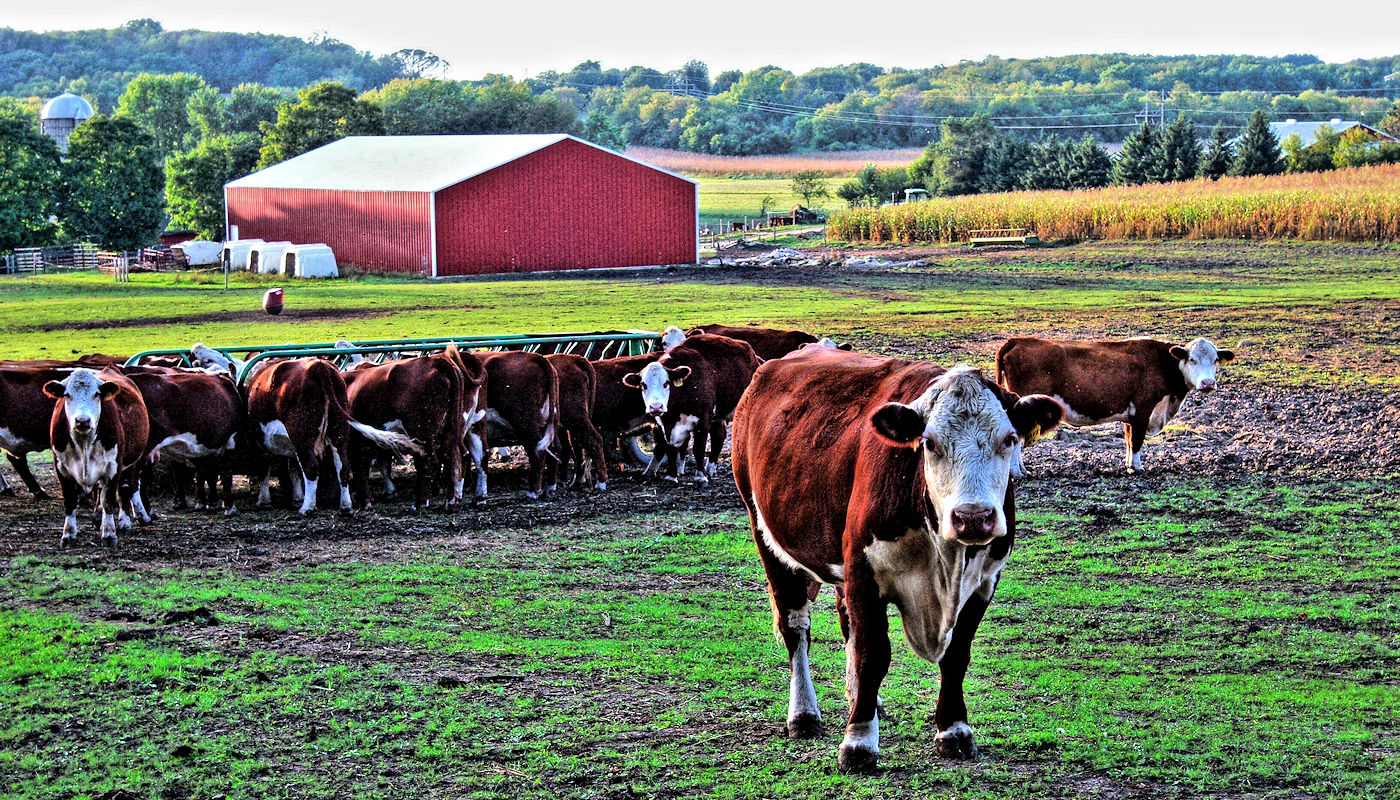
Overgrazing: Farm & Ranch Soil Erosion
Early Signs of Overgrazing on Animals & Pastures
Overgrazing: Farm & Ranch Soil Erosion
Early Signs of Overgrazing on Animals & Pastures
Soil Erosion Caused by Grazing Animals
Overgrazing occurs when plants are exposed to intensive grazing for extended periods of time, or without sufficient recovery periods. It can be caused by either livestock in poorly managed farms, ranches, and other agricultural applications, as well as game reserves or nature reserves. Overgrazing reduces the usefulness, productivity, and biodiversity of the land and is one cause of desertification and soil erosion. It is also seen as a cause of the spread of invasive species of non-native plants and of weeds [1].
Overgrazing typically increases soil erosion. With continued overutilization of land for grazing, there is an increase in soil degradation. This leads to poor soil conditions that only xeric and early successional species can tolerate. Native plant grass species, both individual bunch grasses and in grasslands, are especially vulnerable [1].
This damage can occur through processes such as pugging and compaction. Pugging breaks up soil aggregates and causes damage to large soil pores, resulting in compaction. These changes can reduce water and air movement into and through soils, and can impede root growth, which results in reduced drought tolerance and pasture yields [2]
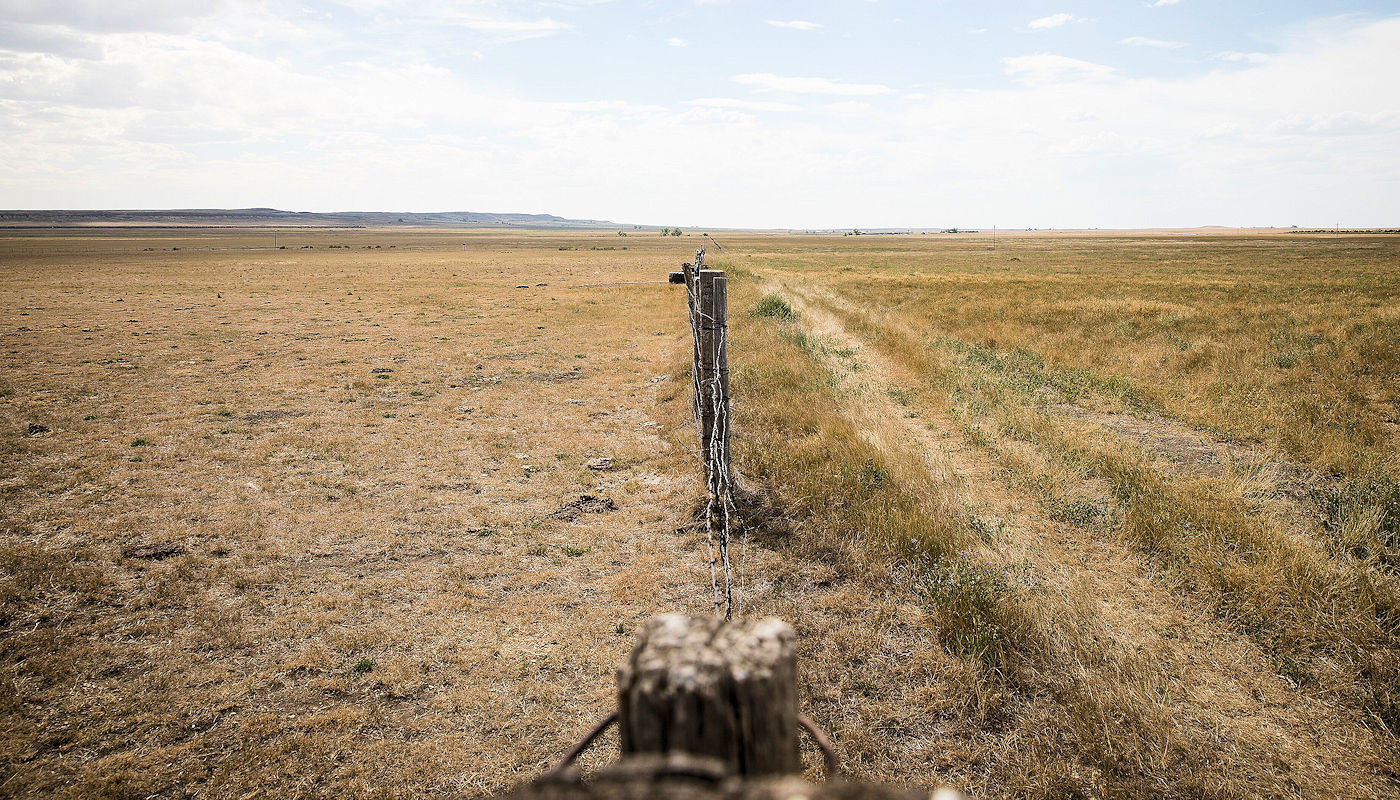
Preventing Soil Erosion from Grazing
There are several strategies that can be used to prevent soil erosion caused by grazing. One key strategy is managing cattle impacts when grazing on wet soils. Removing cattle early in a precipitation event can minimize the most detrimental impacts from grazing on wet soils [2]. Other strategies include building soil health, monitoring soil moisture conditions, and grazing quick-draining fields first. Additionally, grazing pastures with tough root systems when conditions are wet can help prevent soil erosion [3]. In some cases, it may be necessary to remove stock from the paddocks and either place them in containment areas, “agist off-farm” (transport and pay to graze your cattle on other pastures) or sell them [5].
Early Signs of Overgrazing
Overgrazing can have detrimental effects on both cattle and pastures. It is important to monitor pastures and have back-up plans if pasture conditions begin to decline. Overgrazing can lead to soil compaction, which affects runoff and water use, and infiltration. Other signs include weakened plants, thinner sod cover, and an increasing potential for surface soil erosion, particularly on sloping sites [2][4].
Using Rotational Grazing to Avoid Overgrazing
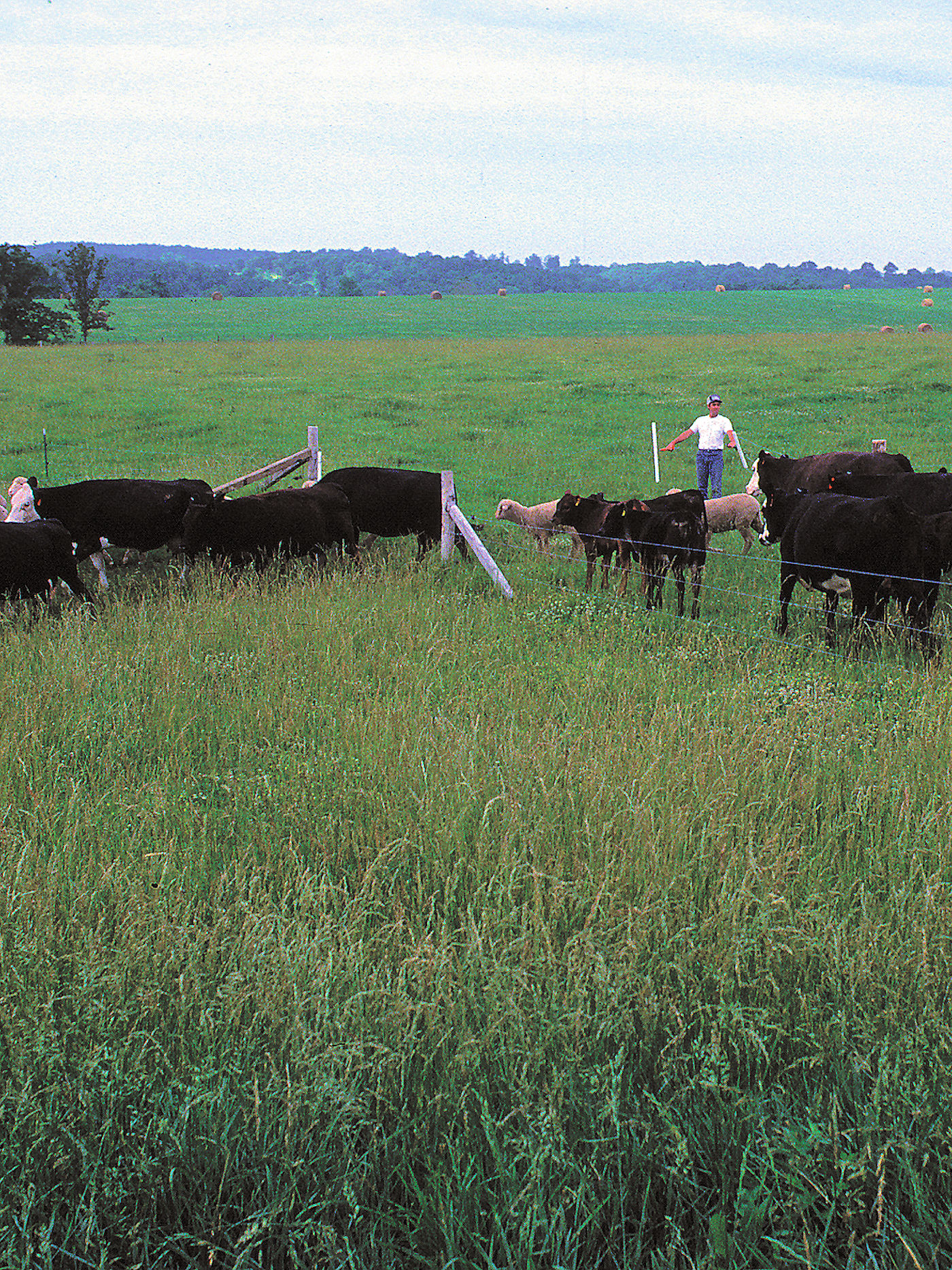
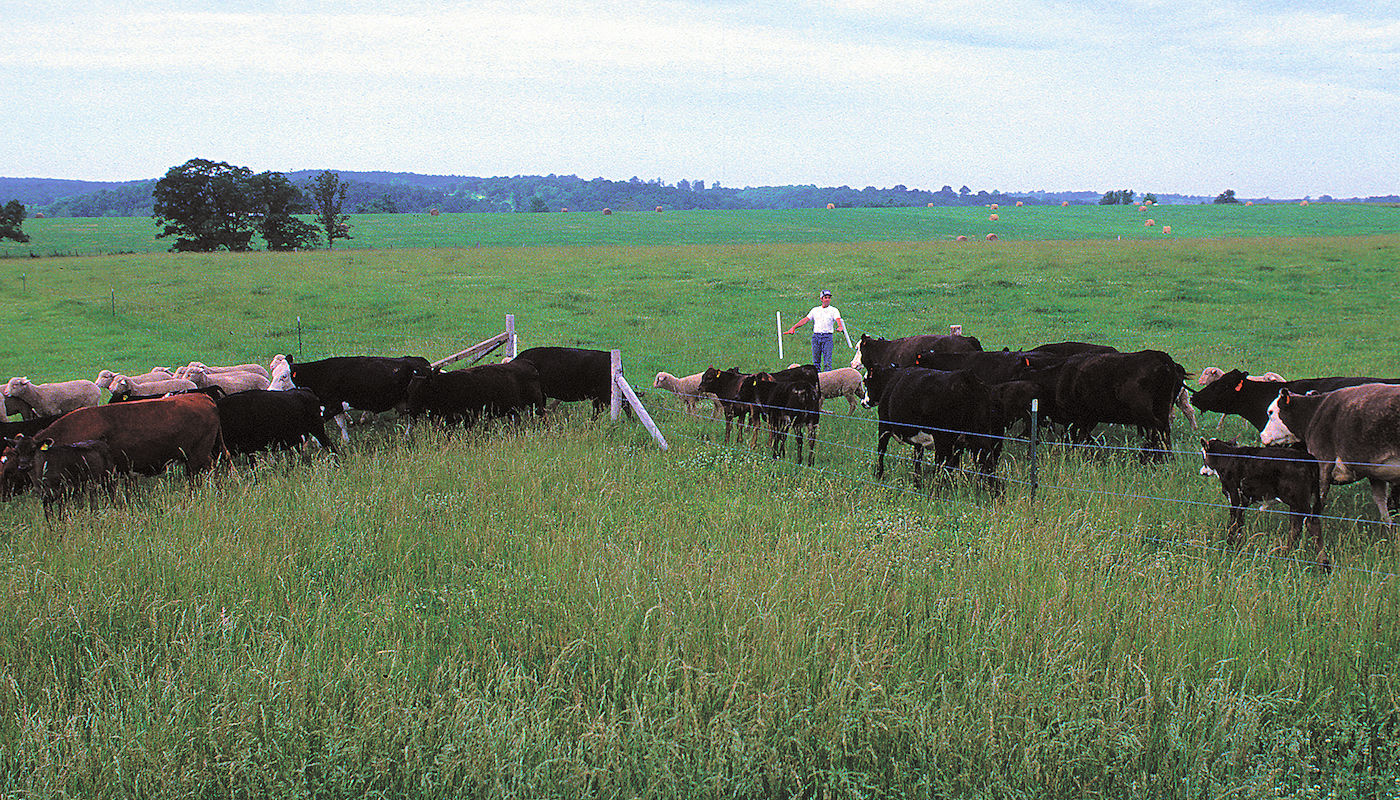
Rotational grazing is an agricultural practice where livestock are moved through different portions of a pasture, known as paddocks, to improve soil, plant, and animal health [23]. Only one portion of the pasture is grazed at a time while the remainder of the pasture “rests”. This allows forage plants to recover and deepen their root systems [24].
More Groundcover Decreases Erosion: When using rotational grazing, livestock should be removed from pastures when residual forage is three to four inches high. By leaving this amount of forage, the soil is protected from rain, wind, and trampling, thus minimizing runoff and erosion. This also makes more water available for plant growth. [26]
Reduced Compaction: Rotating livestock to a new paddock every three to seven days reduces the time cattle spend creating high traffic areas. This helps decrease soil compaction, which is detrimental to soils because it restricts air and water movement [26].
Better Distribution of Manure: When paddocks are designed so that cattle travel no more than 800 feet to water, manure is more evenly distributed. Manure contributes organic matter and nutrients to soils, which increases plant root health and forage productivity [26].
Avoid Shifts in Pasture Species Composition Due to Overgrazing
What is Livestock Drylotting?
Drylotting refers to a management system where animals, specifically cow-calf pairs, are confined in a feedlot environment during part or all of the traditional summer or fall-winter grazing season [34]. This system is often used as an alternative to traditional pasture or range beef production [33].
Drylotting can be a feasible way to allow pasture recovery while feeding grain, forage, and crop stover to pairs. Some advantages of a drylot system include closer observation of the herd, low weaning stress, and providing the opportunity to bunk break calves prior to weaning [31][32].
However, it’s important to note that confined feeding of pairs can be more expensive due to increased commodity prices. Therefore, when developing rations, it’s recommended to use cost per unit of protein and energy to determine the most cost-effective feed [31][32].
Moreover, proper management is crucial in a drylot system. For instance, cattle should be lotted into pens allowing 500-800 square feet per pair. If pens are too large and dry conditions persist, the increased dust from the surface promotes a greater chance of pneumonia for calves [31][32].
In summary, drylotting is a livestock management strategy that involves confining animals in a feedlot for a certain period, which can help in pasture recovery and provide other benefits when properly managed. However, it also requires careful planning and consideration of various factors such as feed cost and animal health.
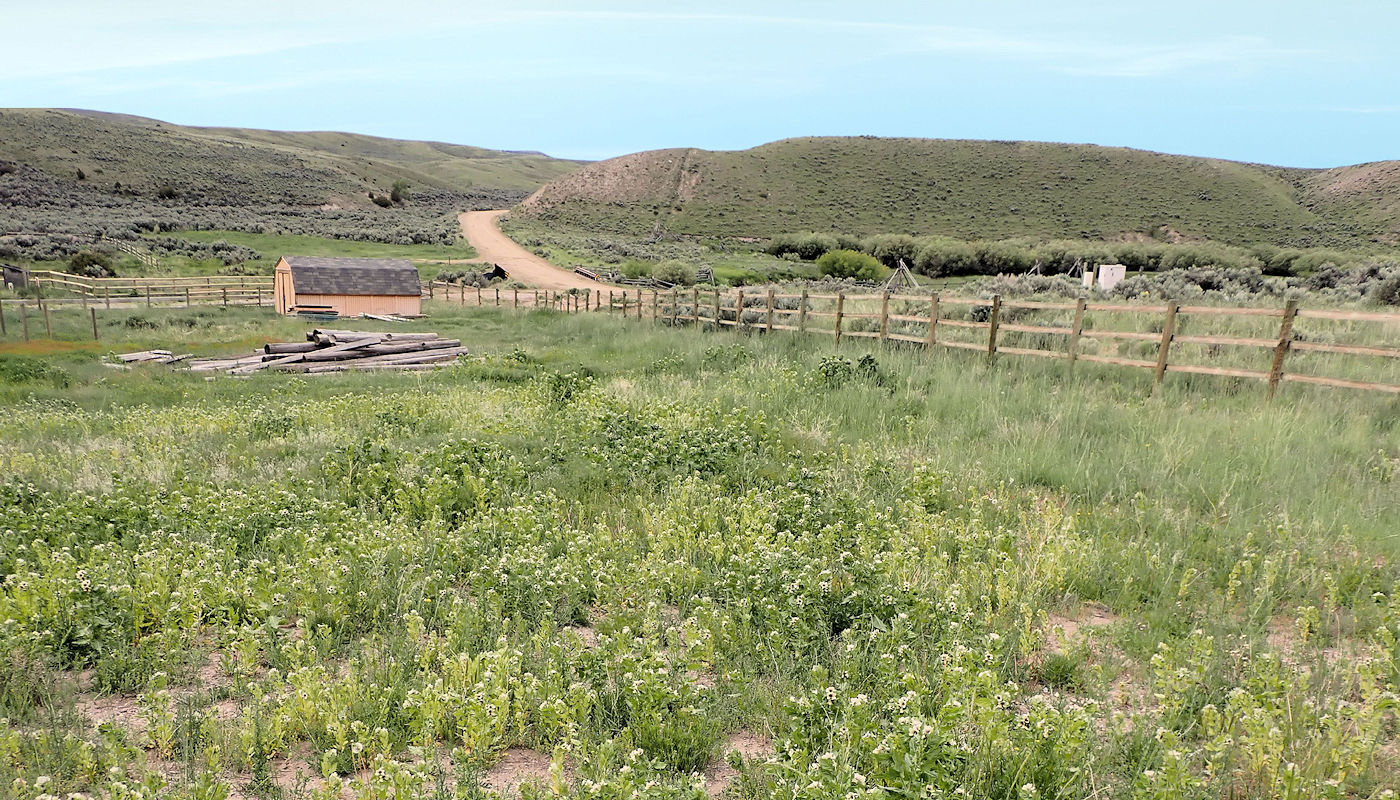
Overgrazing by livestock can significantly alter the species composition of a pasture. When livestock continuously graze a particular area, it can lead to the depletion of certain plant species. This is because the regrowth of plants is hindered when they are regrazed before they have had sufficient time to recover [28].
Over time, this can lead to a shift in the species composition of the pasture. The plant species that are more resistant to grazing pressure and can regrow quickly tend to dominate, while those that are less resistant get outcompeted and may eventually disappear [29]. For instance, species usually shift to shorter rooted and shorter growing plants after just two years of overgrazing [30].
Moreover, overgrazing can also lead to the introduction of exotic species or the extirpation of species sensitive to disturbance³. These changes in species composition can persist for years, even after livestock are removed from the pasture [29].
It’s important to note that the effects of overgrazing on species diversity and composition can vary depending on the climatic conditions of the region. For example, the effects of overgrazing are more pronounced in sub-humid regions compared to arid and semi-arid regions [27].
Therefore, proper grazing management is crucial to maintain a healthy and diverse ecosystem. This includes practices like rotational grazing, which allows for adequate recovery time for plants between grazing events [28].
Overgrazing Signs on Cattle:
Overgrazing Signs on Pastures:
Symptoms & Types of Soil Erosion Caused by Overgrazing
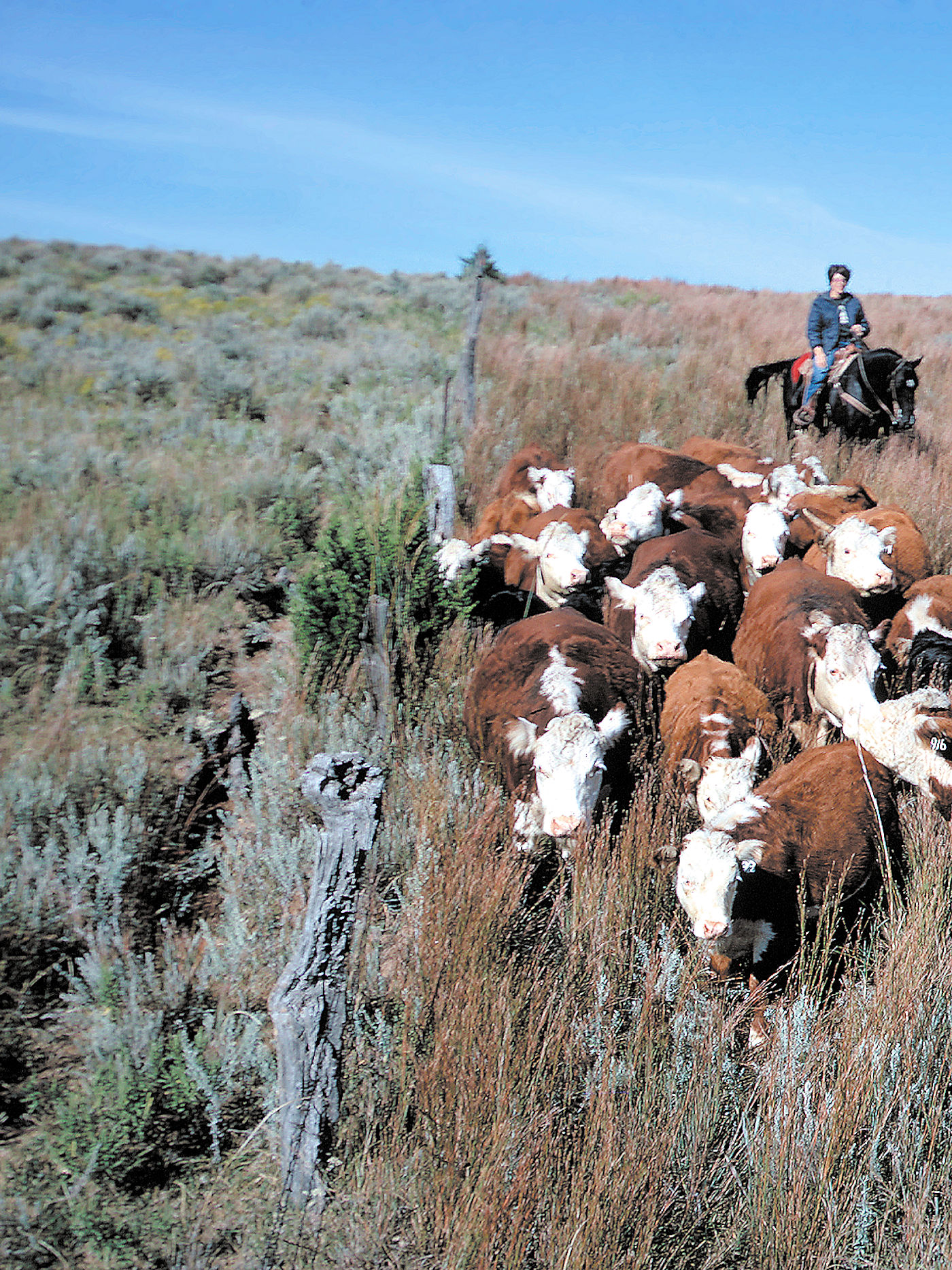
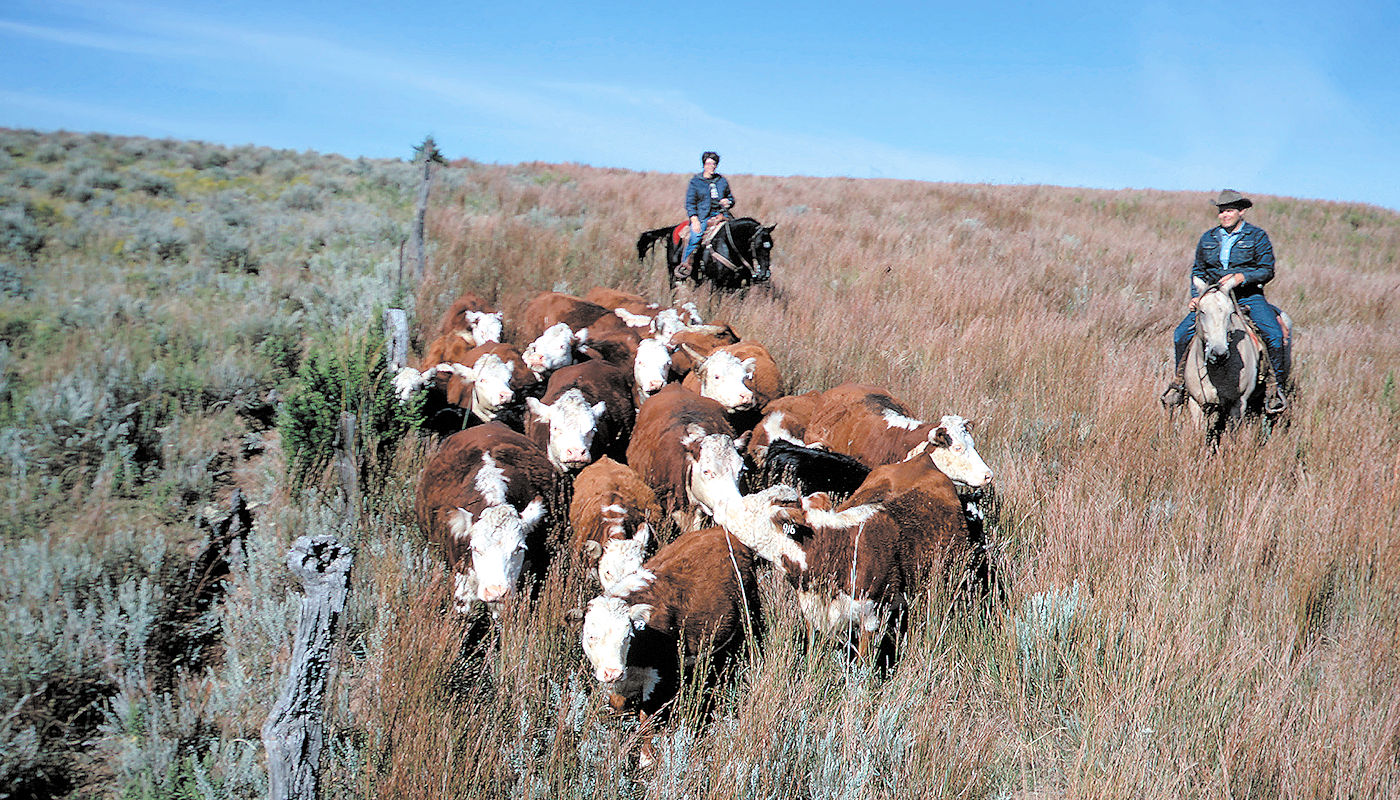
Overgrazing by animals such as cattle and horses will ultimately lead to an increase in the percentages of bare ground in pastures and to a loss of soil structure and aggregation, shown by increased compaction and reduced soil pore space [9]. This in turn leads to soil erosion caused by stormwater runoff which happens when excessive rains wash away topsoil particles. The types of soil erosion typically resulting from this includes splash erosion, sheet erosion, rill erosion, and gully erosion. With enough bare ground and dry, windy conditions, it can also lead to wind erosion as the wind removes dry tiny earth particles [7].
Soil Degradation: Continued overgrazing reduces inputs of soil organic matter because less plant biomass is available as litter. This in turn, reduces soil organic matter, nutrients, and biotic activity, leading to deteriorated soil structure, which increases the potential for erosion and reduces water-holding capacity of soil [13].
Loss of Ground Cover: Overgrazing can reduce ground cover, enabling erosion and compaction of the land by wind and rain. This reduces the ability for plants to grow and water to penetrate, which harms soil microbes and results in serious erosion of the land [12][14].
Effects on Waterways: The effects of soil erosion go beyond the loss of fertile land. It has led to increased pollution and sedimentation in streams and rivers, clogging these waterways and causing declines in fish and other species [12].
Desertification: Degraded lands are also often less able to hold onto water, which can worsen flooding. Sustainable land use can help to reduce the impacts of agriculture and livestock, preventing soil degradation and erosion and the loss of valuable land to desertification [12].
In summary, overgrazing can lead to severe soil erosion and degradation, impacting not only the land but also waterways and biodiversity. It’s crucial to manage grazing practices to prevent these detrimental effects.
Cattle Guards: Managing Livestock Movement Between Pastures
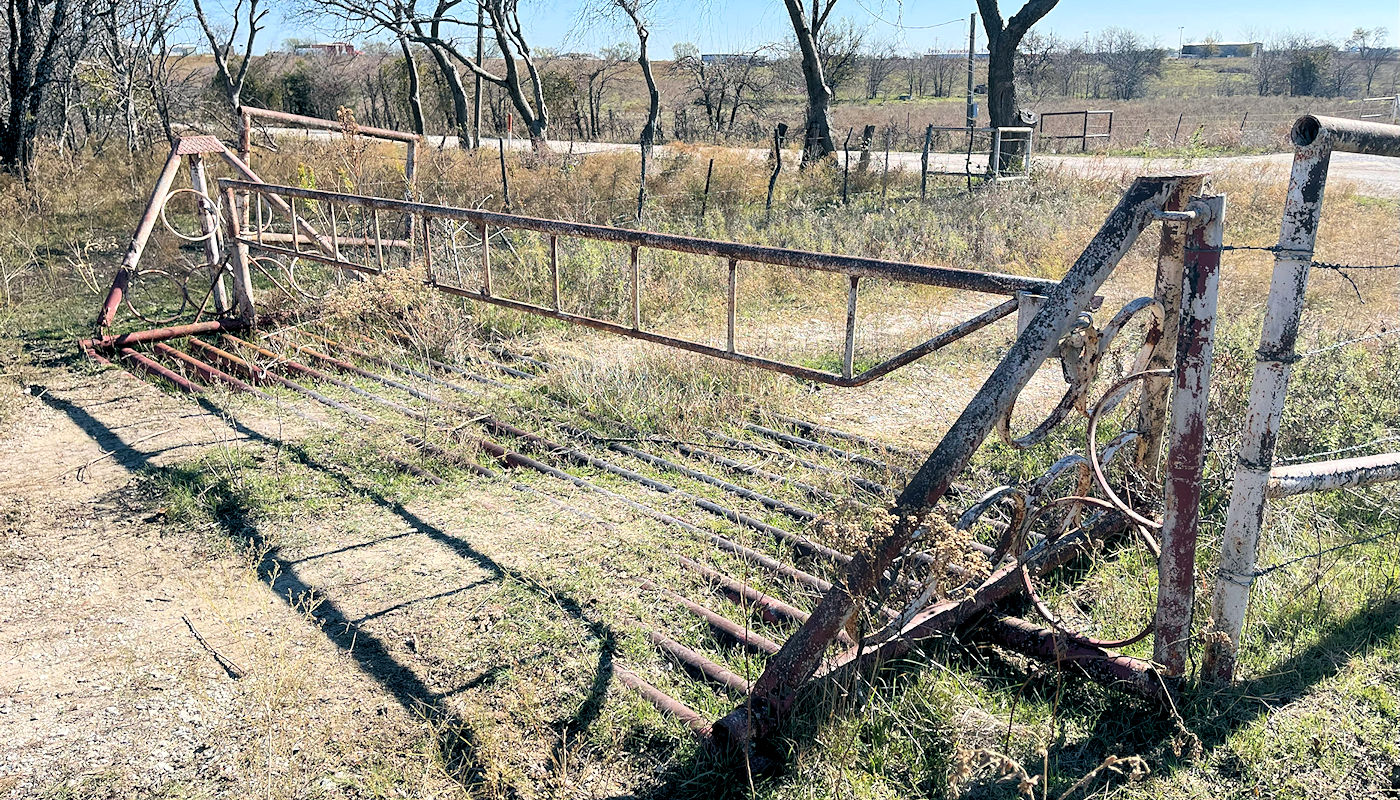
Cattle guards are structures used in livestock management, particularly in controlling the movement of cattle across different grazing areas. They play a crucial role in preventing overgrazing and managing cattle grazing where cattle have access to more than one pasture. Here’s how:
Preventing Overgrazing
Overgrazing can be prevented by implementing strategies such as rotational grazing, monitoring grazing intensity, and using alternative forages [18][19]
Cattle guards can aid in these strategies by controlling the movement of cattle across different pastures. By restricting access to certain areas at specific times, cattle guards can help ensure that pastures are not overgrazed and have adequate time to recover before the next grazing cycle [18].
Managing Cattle Grazing: Cattle Guards
Cattle guards work based on the depth perception of cattle and other livestock. The cattle perceive the guards as a bottomless pit or an uneven surface, which they are hesitant to cross [16][17]. This allows farm vehicles to enter fence line barriers without using a gate and keeps the cattle in their designated area [21].
In a large livestock operation, cattle guards are used to stop cattle from running away, but vehicles are allowed to pass through [17]. This makes it easier to manage the movement of cattle across different pastures, especially in rotational grazing systems [20].
Cattle guards streamline daily operations by controlling the movement of livestock from one grazing area to another without the need for manual intervention⁸. This allows farmers to drive their tractors and trucks right into a pasture with ease, making it more efficient to manage cattle grazing across multiple pastures [22].
However, it’s important to note that while cattle guards are generally safe for people and vehicles to cross, they can pose a danger for livestock. There have been reports of horses or cattle jumping over a cattle guard and getting stuck in the middle. Their legs can slip through the rails, which leaves them in a predicament. If livestock struggle too much, they can break a leg. Therefore, regular maintenance and monitoring of cattle guards are essential to ensure the safety of the livestock [16].
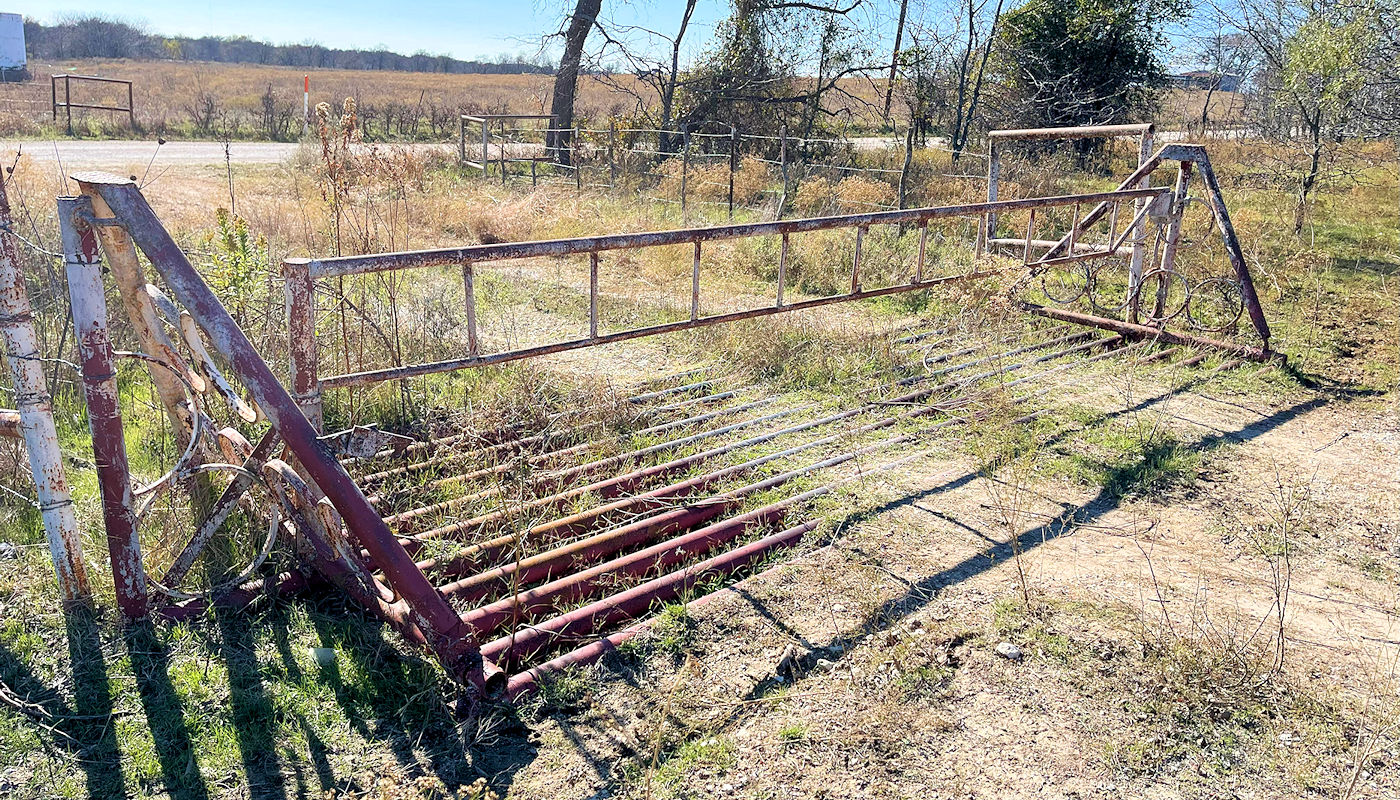
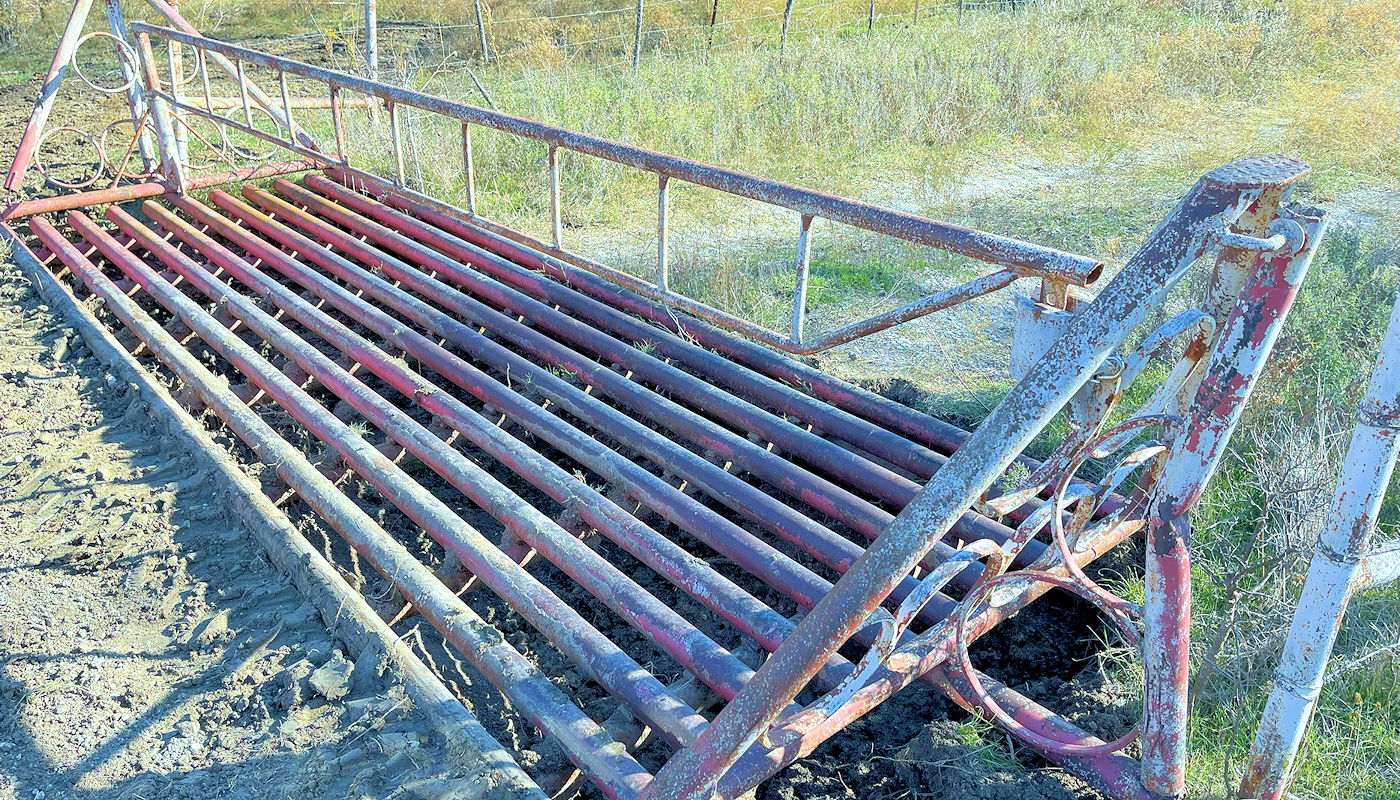
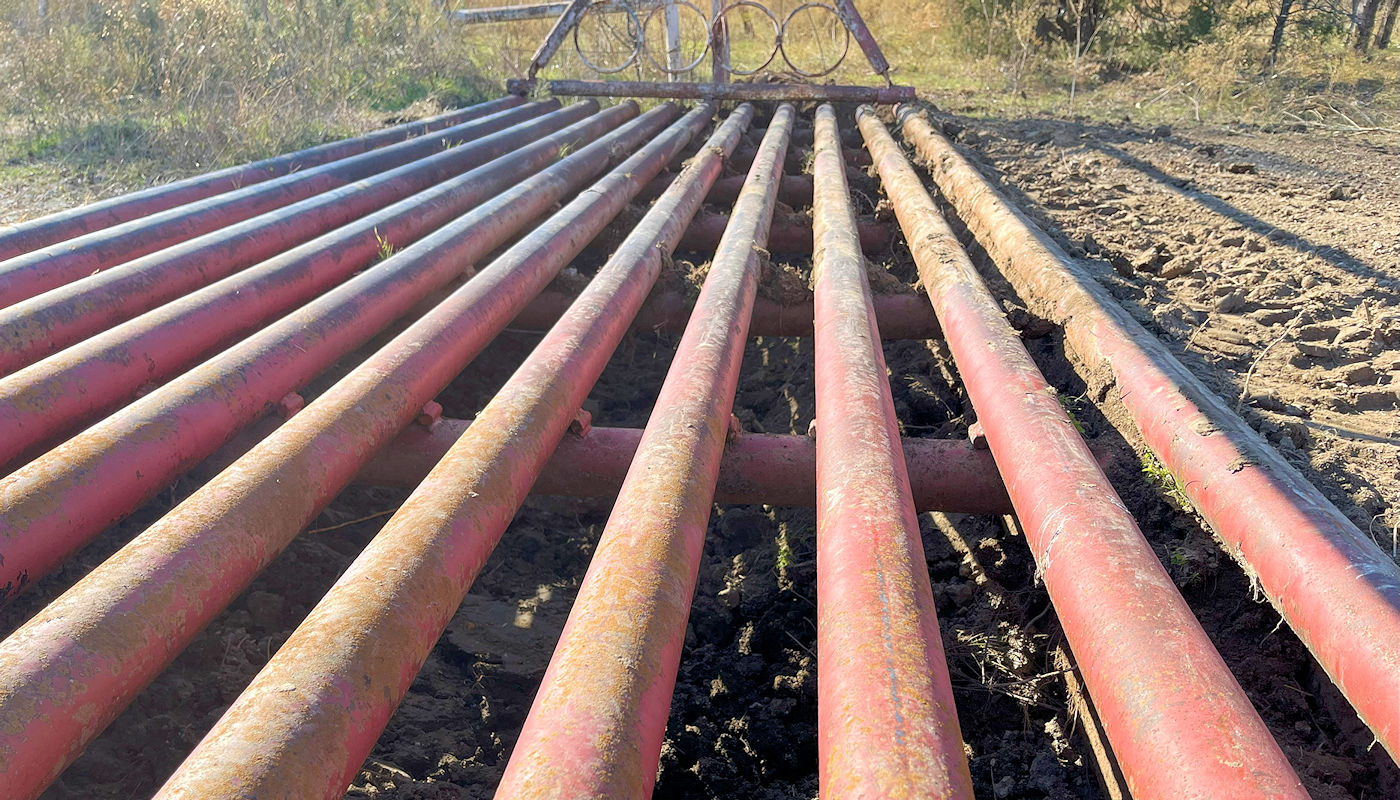
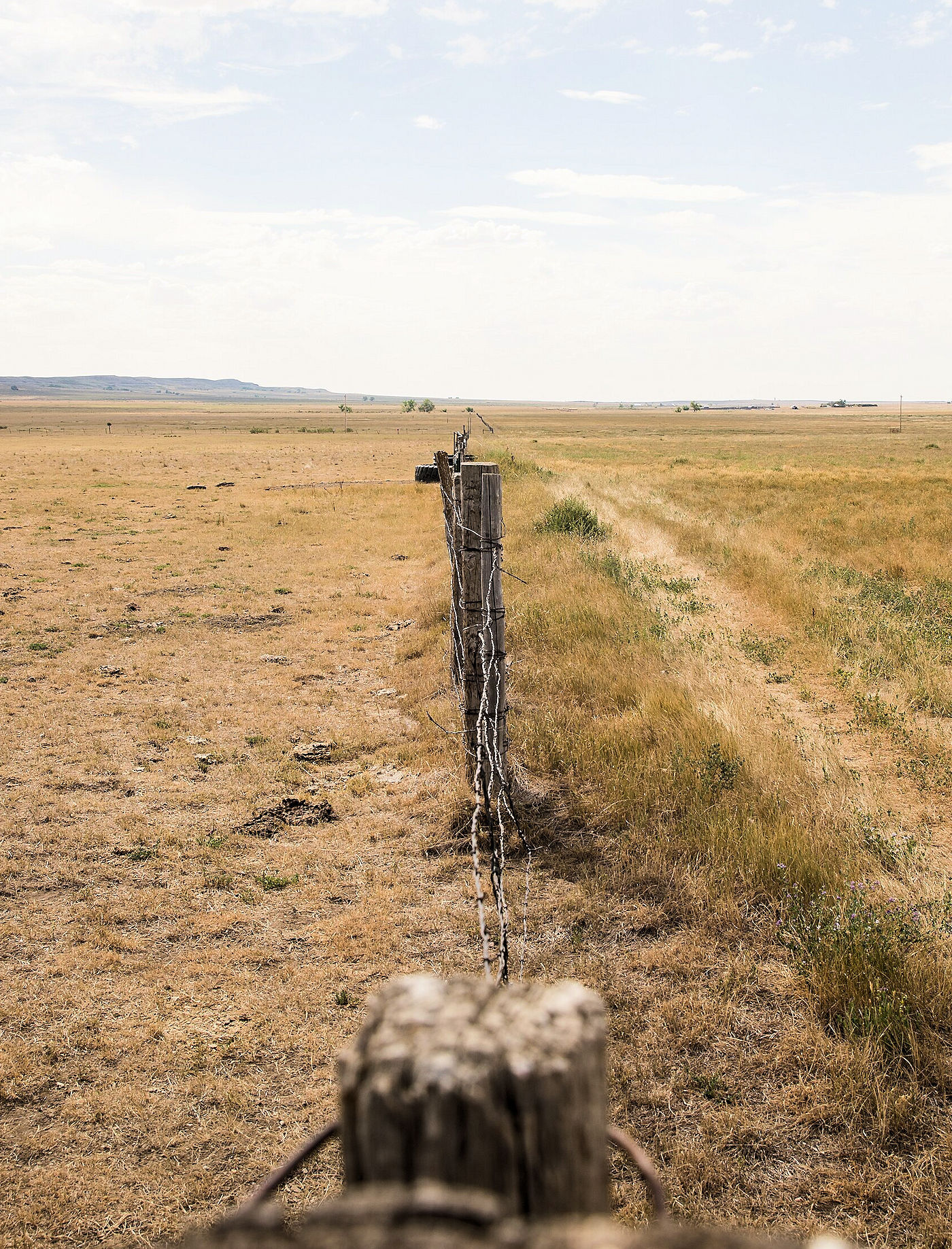
While working on a pond on this Texas ranch, the owner asked us to remove, clean, and repair this cattle grate. The first two are obviously “BEFORE” photos; the last two the “AFTER”.
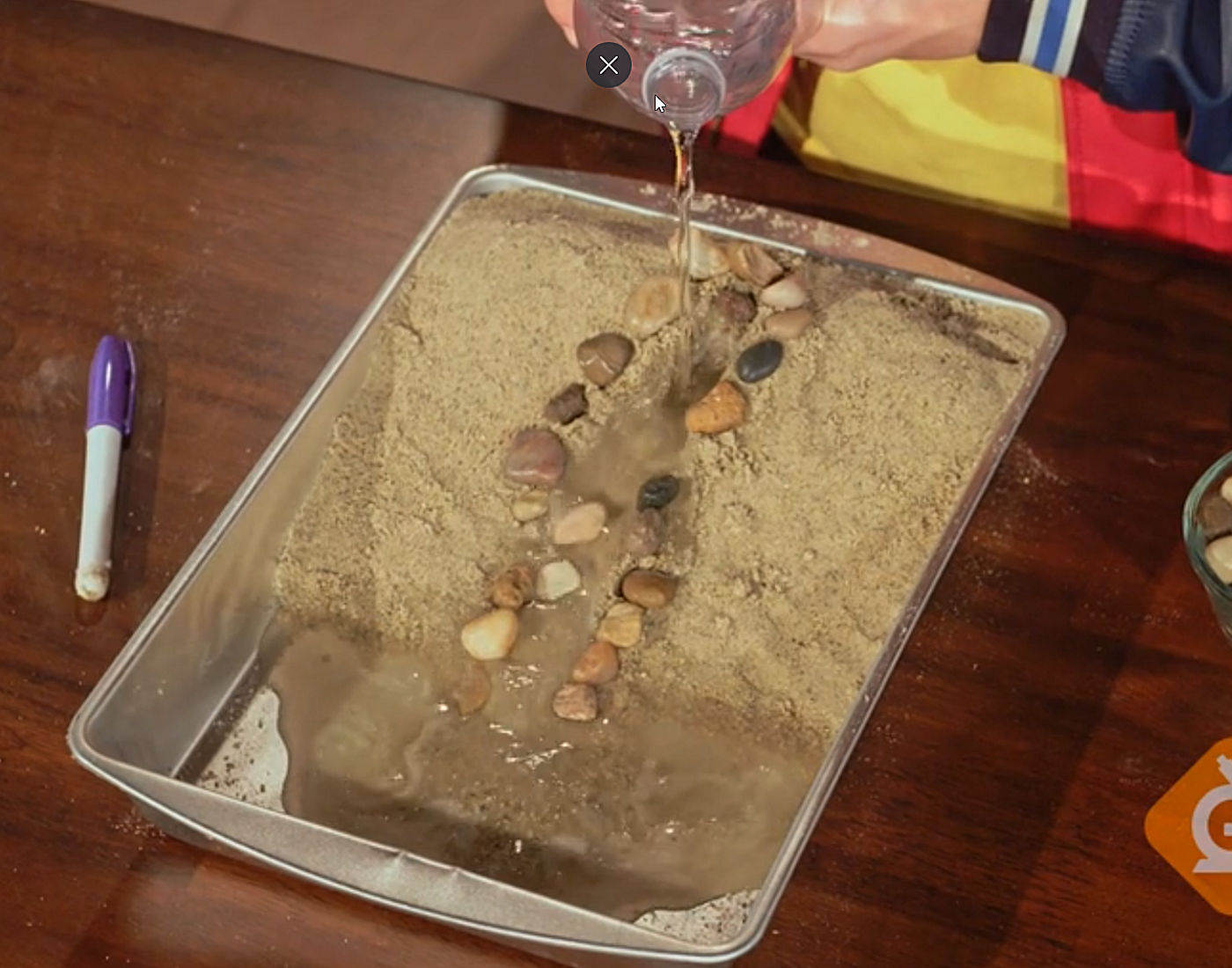
Creating Soil Erosion Experiments at home or in the classroom:

MEET GENERATION GENIUS
Generation Genius is a K-8 teaching resource that brings school science standards to life through fun and educational videos paired with lesson plans, activities, quizzes, reading material and more. Our videos are produced in partnership with the National Science Teaching Association, and aligned to standards in all 50 states.
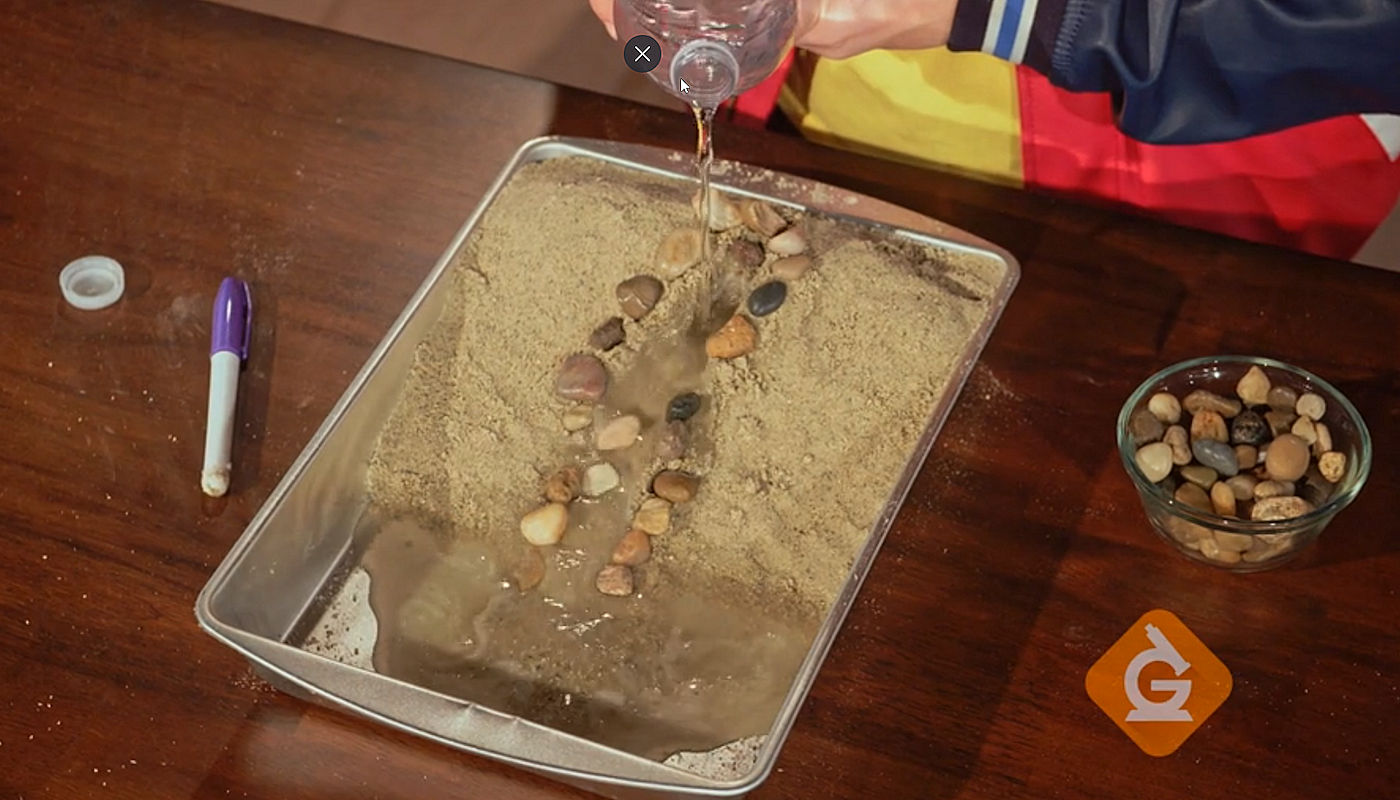
We heard from the father of a young lady named Maria who is doing research for a school project on soil erosion. She wanted to know if we could provide the link she found to additional helpful information on the topic as part of our erosion resources. We have added the link below. We also did some additional looking around and found a terrific site that provides DIY Science Experiments for grades K-8. The company is called Generation Genius, and we provide links to their Soil Erosion experiments which include videos to show you what to expect and much more.
Your Soil Erosion resources have come in handy!
“Thanks to the Texoma Excavation & Construction team ~ your Soil Erosion resources have come in handy! Last night I helped my daughter Maria with a sustainability project she’s working on for her Earth Science class! The students are required to calculate their carbon footprint and explain how soil erosion affects climate change, contributes to the loss of arable land, clogged and polluted waterways and increased flooding. The websites you shared in your resource links were perfect for us to include in her project! Thank you again for all the help!”
Follow Maria’s Link
Maria had also asked me to send you this reading on soil erosion and how it affects the planet as a whole. It’s a great overview touching on why soil erosion is a problem and what we can do to help prevent it. Maria thought it could help other students who are new to this topic!
Erosion Control Services & Solutions:
Farm & Ranch Soil Erosion Restoration & Repair
Texoma Excavation & Construction is an excavation company and erosion control contractor specializing in construction site erosion control. We design, implement, and maintain residential, commercial, and construction site erosion control plans. We use a variety of techniques to prevent soil erosion, including vegetation, retaining walls, and a variety of drainage systems for the job. [read more]
Residential & Commercial Soil Erosion Restoration & Repair
Texoma Excavation & Construction is an excavation company and erosion control contractor specializing in construction site erosion control. We design, implement, and maintain residential, commercial, and construction site erosion control plans. We use a variety of techniques to prevent soil erosion, including vegetation, retaining walls, and a variety of drainage systems for the job. [read more]
Construction Site Erosion Control
Texoma Excavation & Construction is an excavation company and erosion control contractor specializing in construction site erosion control. We design, implement, and maintain residential, commercial, and construction site erosion control plans. We use a variety of techniques to prevent soil erosion, including vegetation, retaining walls, and a variety of drainage systems for the job. [read more]
Rainscaping: Manage Rainwater Where it Falls with style!
Rainscaping is a term that emerged in 2008 describing a variety of practices that manage stormwater runoff in a sustainable and aesthetic way. Rainscaping is any combination of plantings, water features, catch basins, and other activities that manage stormwater as close as possible to where it falls, rather than moving it someplace else. [read more]
Naturescape Landscaping
Naturescape landscaping involves using simple techniques that mimic nature, such as using native plants, creating diversity, avoiding chemicals, and incorporating natural features. Naturescape landscaping can make your yard a safe and healthy place for children, pets, and wildlife, as well as save you time and money by reducing water, energy, and maintenance needs. [read more]
Landscape Grading & Excavating Contractor Services
Texoma Excavation and Construction Company’s landscape grading and excavation services involve leveling or sloping the land around a property to improve its appearance, functionality, and drainage. Landscape grading can help prevent water damage, soil erosion, flooding, and other problems caused by poor drainage or uneven terrain. [read more]
Drainage Solutions for Yard & Landscaping
If you’re experiencing poor drainage on your property, it’s important to address the issue promptly to prevent further damage and potential safety hazards. Texoma Excavation & Construction can help identify the root cause of your drainage problems and provide effective solutions to keep your property safe and well-maintained.
Erosion Control Related Topics:
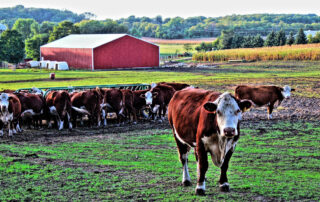
Overgrazing: Farm & Ranch Soil Erosion
Overgrazing can lead to severe soil erosion and degradation on ranches and farms, impacting not only the land but also waterways and biodiversity. This soil erosion can be caused by grazing cattle, horses, & other livestock. When these animals graze, they can cause physical damage to the soil, especially when the soil is wet. [read more]
What is an Erosion & Sedimentation Control Plan?
An Erosion and Sediment Control Plan (ESCP) document describes the measures and practices to prevent or minimize soil erosion and sedimentation during construction activities. In Texas, this is required for construction projects disturbing one acre or more, or is part of a larger common development plan of one acre or more of land. [read more]
Use Permeable Pavements to Reduce Hardscape Stormwater Runoff
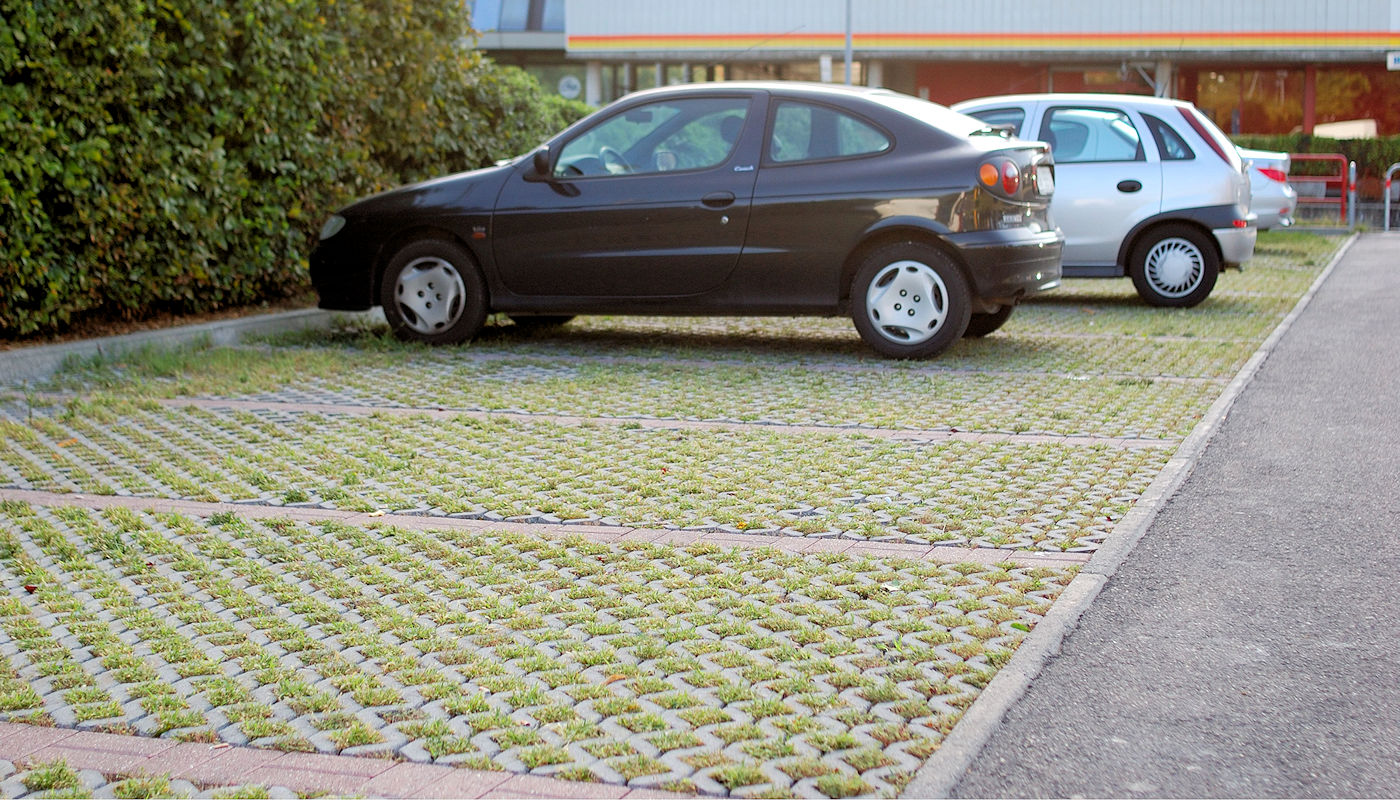
Permeable pavement materials are used in rainscaping for walking paths and other purposes such as driveways, parking areas, patios, tennis courts and even streets. Rainscaping refers to any combination of plantings, water features, catch basins, permeable pavements and other methods of managing stormwater as close as possible to where it falls, rather than moving it someplace else. [read more]
Soil Erosion Types & Solutions
Soil erosion is the process by which soil is removed from the land surface by wind, water, or other geological agents. This discussion focuses on erosion caused by stormwater runoff. Various types of poor land management practices, including overgrazing, deforestation, overgrazing, intensive farming practices, and construction work, lead to avoidable soil erosion. [read more]
French Drain Systems
A French drain system (also known as a “subsurface drain”, a “weeping tile”, or a “rock drain”) is a trench filled with gravel or rock, with a perforated pipe embedded in the gravel at an angle so that gravity carries water away from the home. From what is visible, a French drain looks like a rock drainage ditch. When done well, it appears to be a nice hardscaping element. [read more]



811 Call Before You Dig Underground Utilities
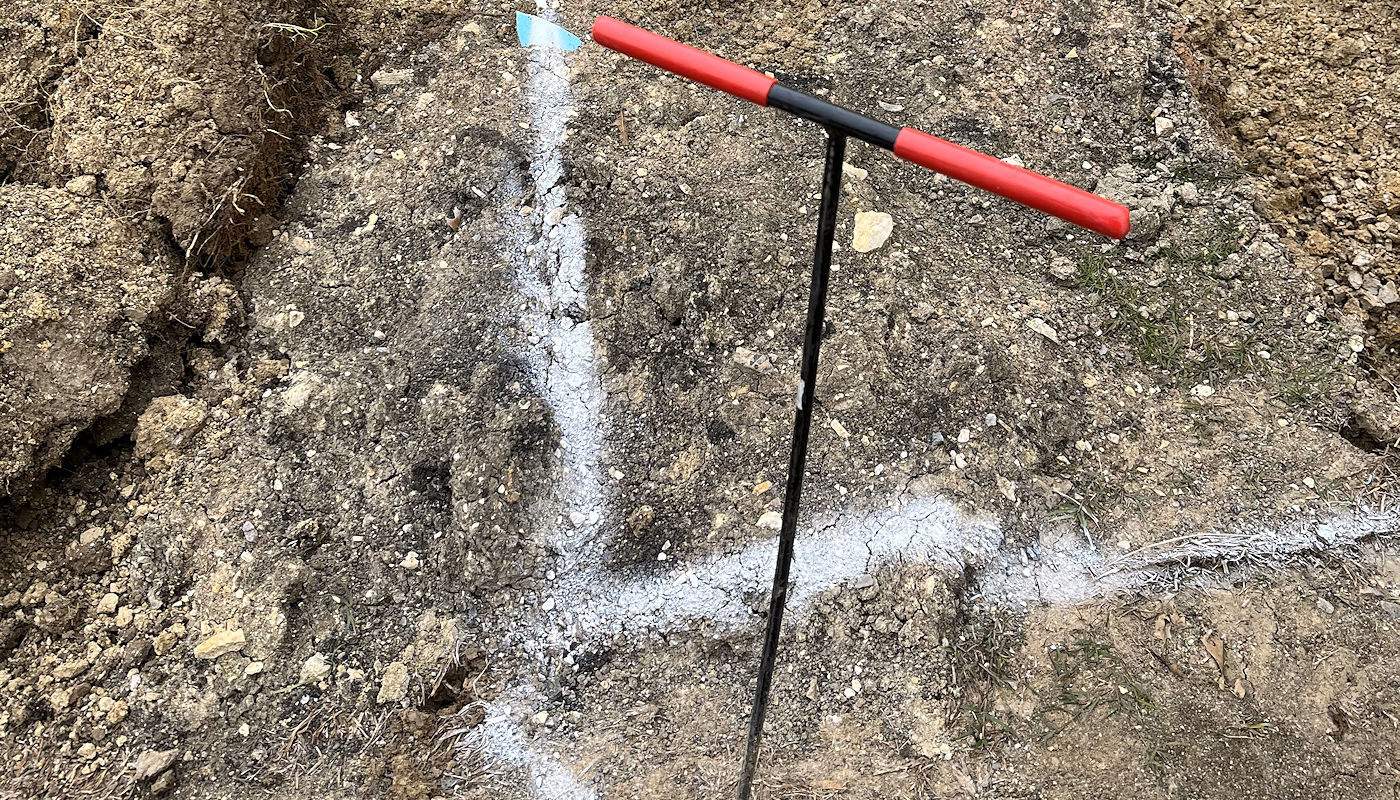
Call before you dig underground utilities for any type construction project. This is the law, and it's there to protect your property and any workers from hitting buried utilities. By calling 811, you can create a notification that will be sent to all the utility companies that are within your work area, instead of searching for multiple utility companies and notifying each one about your project. [read more]
Resources