Rain Garden Plants That Thrive
in Texas & Oklahoma
Landscape Grading & Drainage Services from Texoma Excavation & Construction
Rain Garden Plants That Thrive
in Texas & Oklahoma
Landscape Grading & Drainage Services from Texoma Excavation & Construction
Selecting rain garden plants that thrive in the climate zone you live in is an important consideration. Other questions, like: How do you decide what plants or flowers to use in a rain garden? How do you decide what plant heights to plan for? How would you arrange a rain garden with tall plant shrubs and shorter flowering plants? Is it possible for all the plants to be perennials?
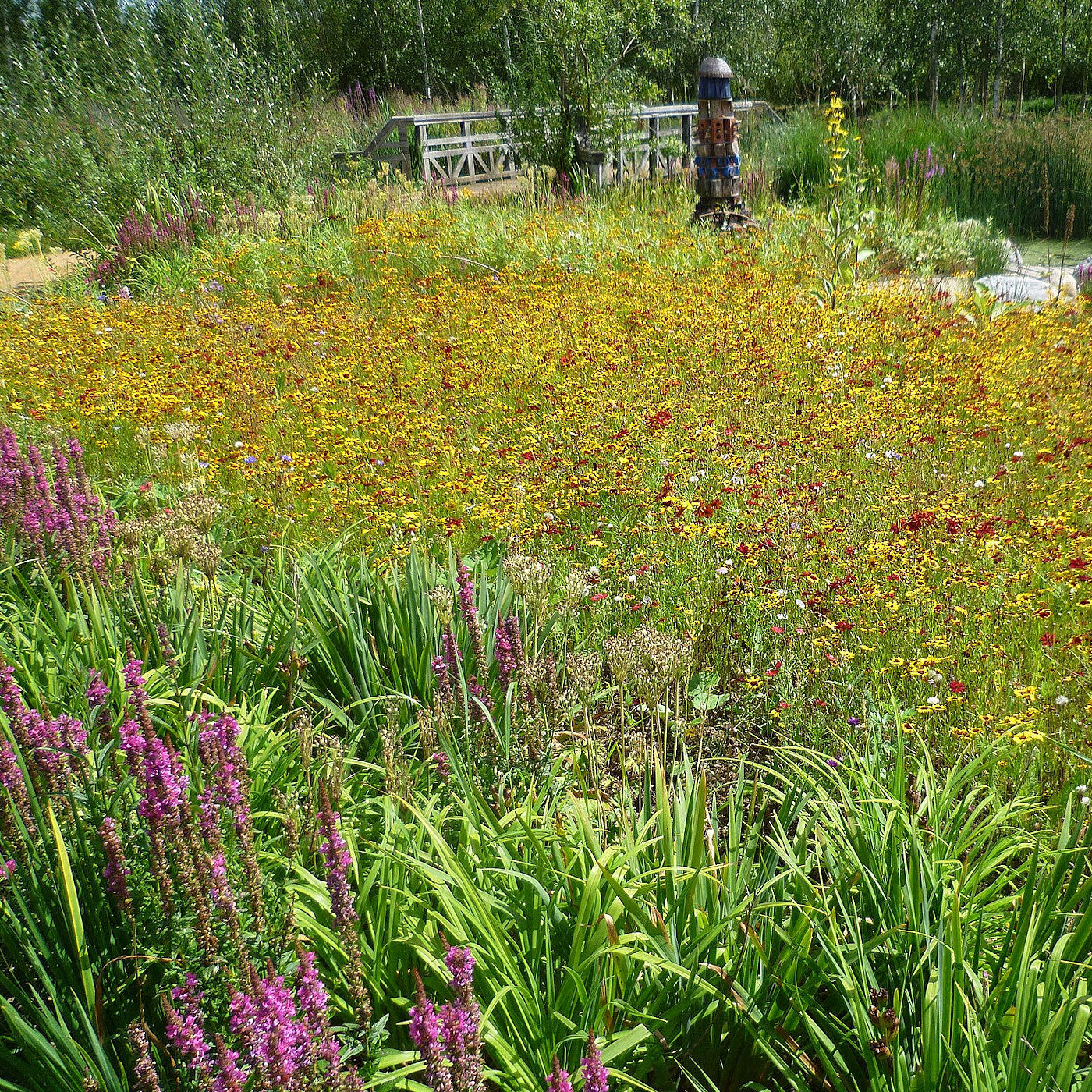
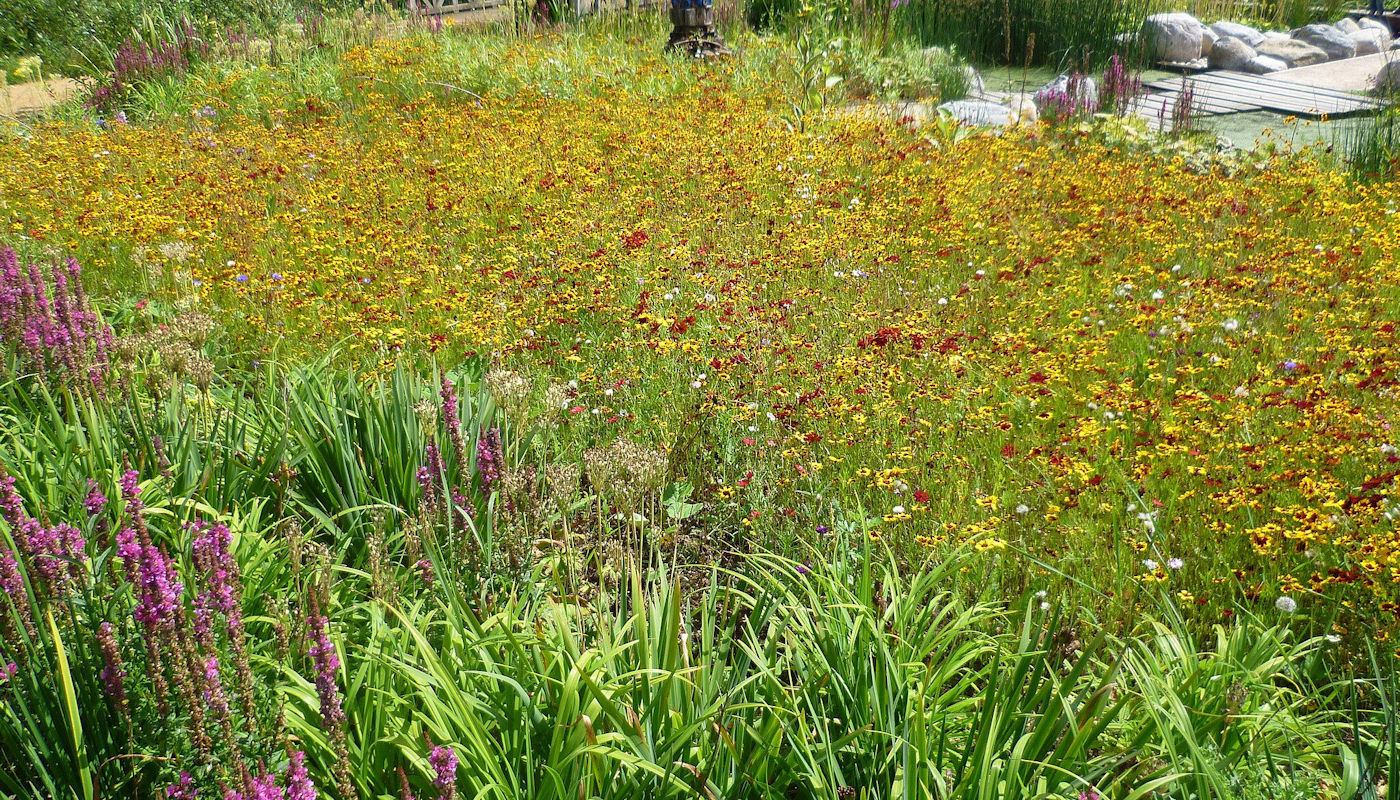
To make these decisions about what plants or flowers to use in your rain garden, you need to consider several factors, such as:
The slope is the intermediate zone, where plants that can handle both wet and dry conditions should be planted. The base is the wettest zone, where plants that can thrive in standing water or saturated soil should be planted. You should also test the soil of your rain garden to determine its pH, texture, and nutrient level, and choose plants that are adapted to those characteristics. For example, if your rain garden has sandy soil, you can use switchgrass, butterfly weed, and coreopsis. If your rain garden has clay soil, you can use cardinal flower, ironweed, and joe-pye weed [2].
To help you plan and design your rain garden, you can use the following resources:
What are some recommended plants that can thrive in a rain garden?
TEXAS RAIN GARDEN PLANTS
Click image to enlarge.
For northeast Texas, Costa Farms recommends planting apples, apricots, figs, pears, plum, peaches, and nectarines [2]. According to a draft of the Texas Rain Garden Plant List by Texas A&M University, some plants that are commonly recommended for Texas landscapes and will grow in a rain garden include:
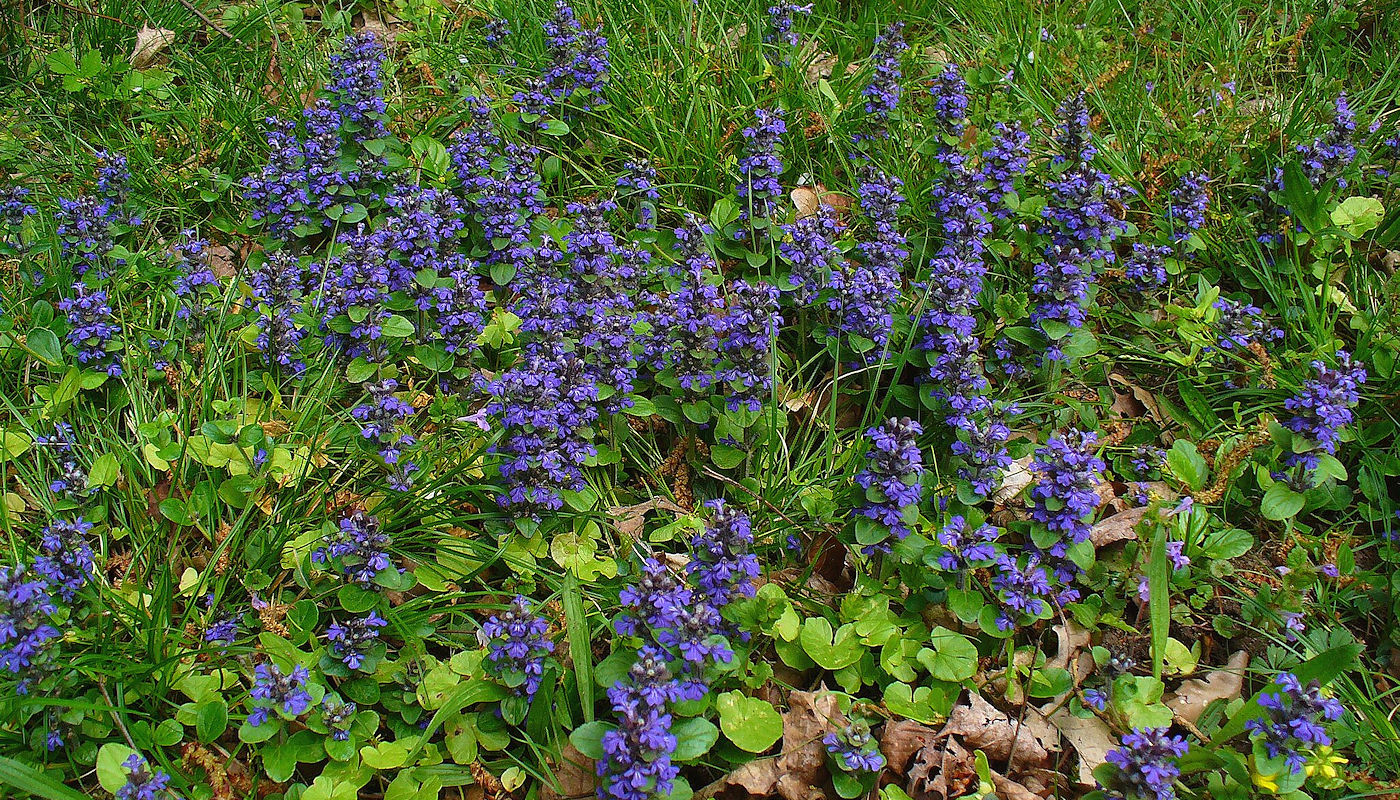
Ajuga (Ajuga reptans)
Ajuga (Ajuga reptans), also known as Bugleweed or Carpet Bugle, is a versatile ground cover plant suitable for raingardens in northeast Texas and southeast Oklahoma. Its dense, mat-forming growth helps control erosion and suppress weeds, making it ideal for stabilizing soil in raingardens. Ajuga thrives in

Butterfly Weed (Asclepias tuberosa):
Butterfly weed is a bushy perennial that typically grows 3-4 feet tall and 2-3 feet wide[2]. Some cultivars may grow taller or shorter, depending on the growing conditions[1][2]. It is native to eastern and southwestern North America and can be found in most of the eastern and central U.S., as well as some parts of the
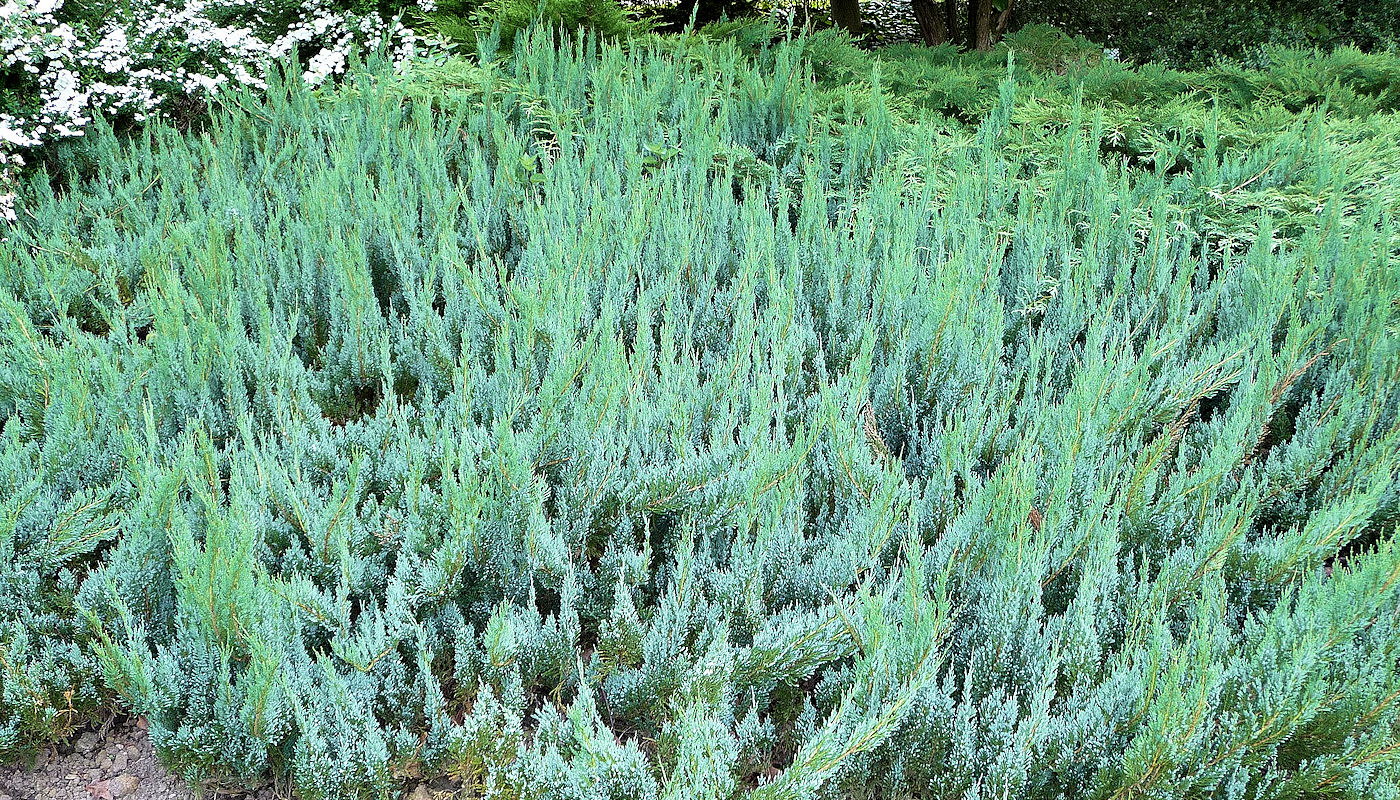
Creeping Junipers (Juniperus horizontalis)
Creeping Junipers (Juniperus horizontalis) are ideal for rainscaping and raingardens in northeast Texas and southeast Oklahoma due to their excellent erosion control and drought tolerance. These low-maintenance plants thrive in full sun and well-drained soils, making them perfect for stabilizing slopes and . . .

Lilyturf (Liriope muscari):
Lilyturf can grow up to 18 inches in height and spread up to 24 inches. It can grow in zones 5 to 10 in the U.S., which include most of the states except for the coldest northern regions. Lilyturf blooms from late summer to early autumn, producing showy spikes of lavender or white flowers that resemble grape hyacinths. It needs

Purple Cone Flower (Echinacea purpurea):
Purple coneflower is an herbaceous perennial that typically grows 3-4 feet tall and 2-3 feet wide. Some cultivars may grow taller or shorter, depending on the growing conditions. Purple coneflower is native to North America and can be found in most of the eastern and central U.S., as well as some parts of the
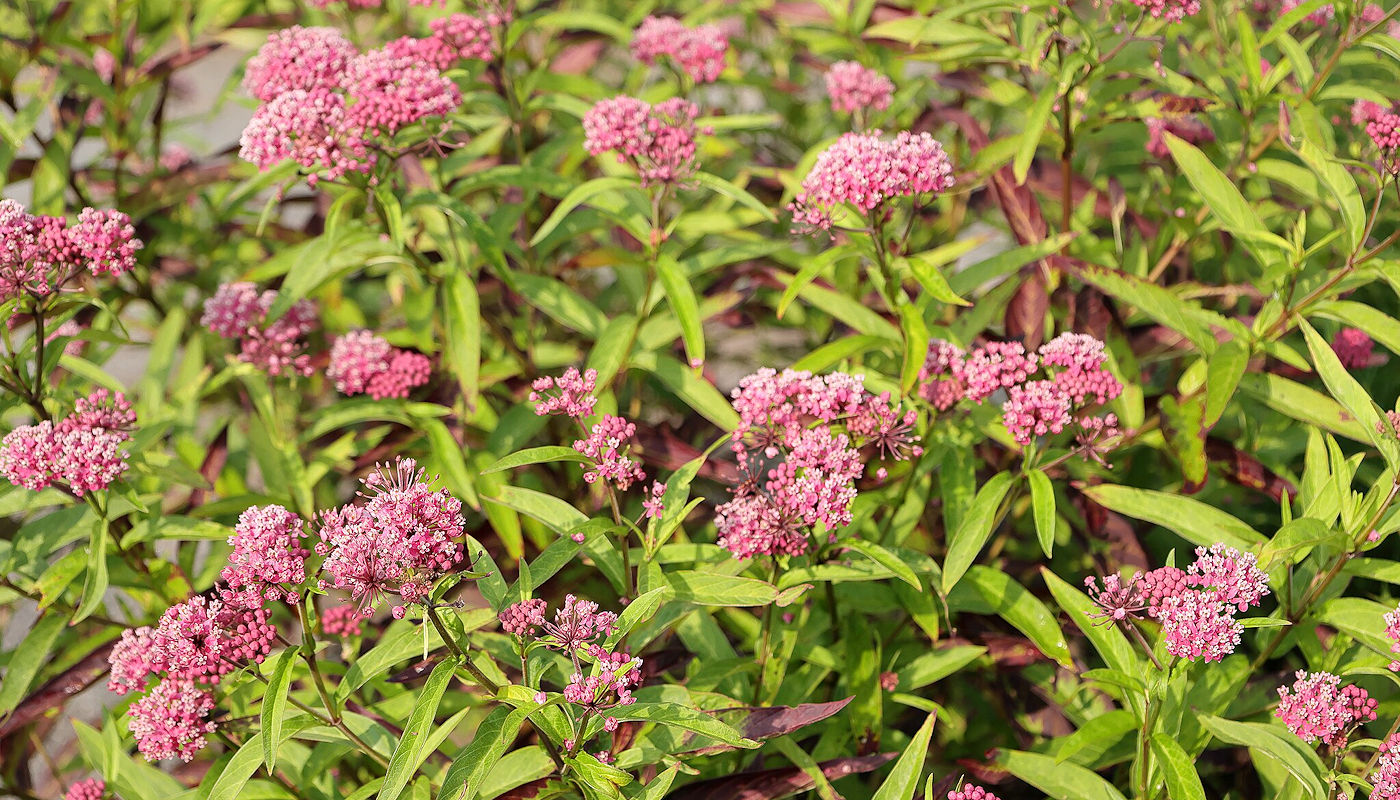
Swamp milkweed (Asclepias incarnata):
Swamp milkweed is an erect, clump-forming plant that typically grows 3-4 feet tall and 2-3 feet wide [1][2]. Some cultivars may grow taller or shorter, depending on the growing conditions. It is native to North America and can be found in most of the eastern and central U.S., as well as some parts of the western U.S. [2][3].

Switchgrass (Panicum virgatum):
Switchgrass is an excellent choice for raingardens and other rainscaping features due to its adaptability to both wet and dry conditions. Its deep root system helps stabilize soil and prevent erosion, making it effective for managing stormwater runoff and improving soil health[1]. Additionally, switchgrass is drought-
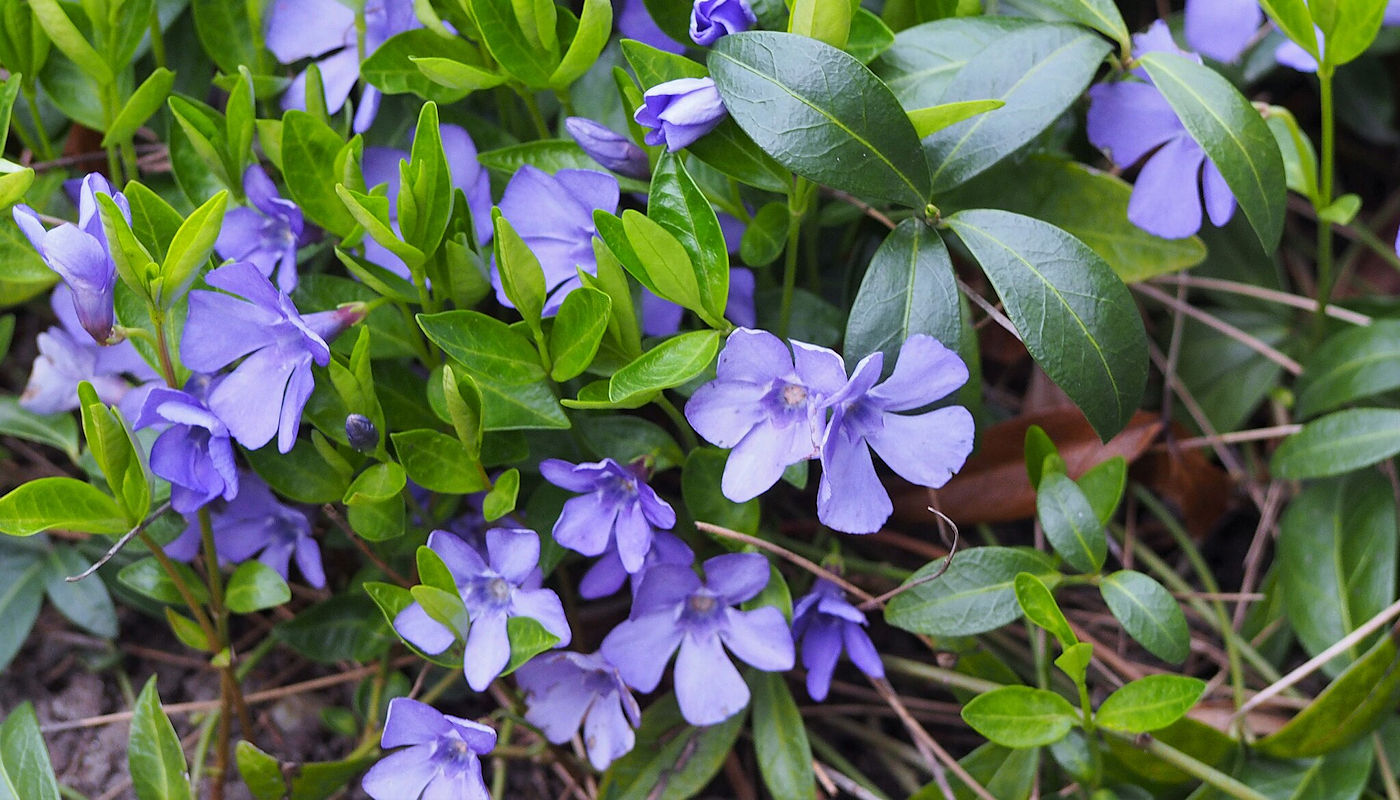
Periwinkle (Vinca Minor):
Periwinkle (Vinca Minor) is a popular choice for raingardens and rainscaping features due to its resilience and low-maintenance nature. Choose the Right Location: Select a spot with well-drained soil. Vinca Minor can thrive in full sun, partial shade, or full shade, but it prefers partial shade. Select a spot with well-
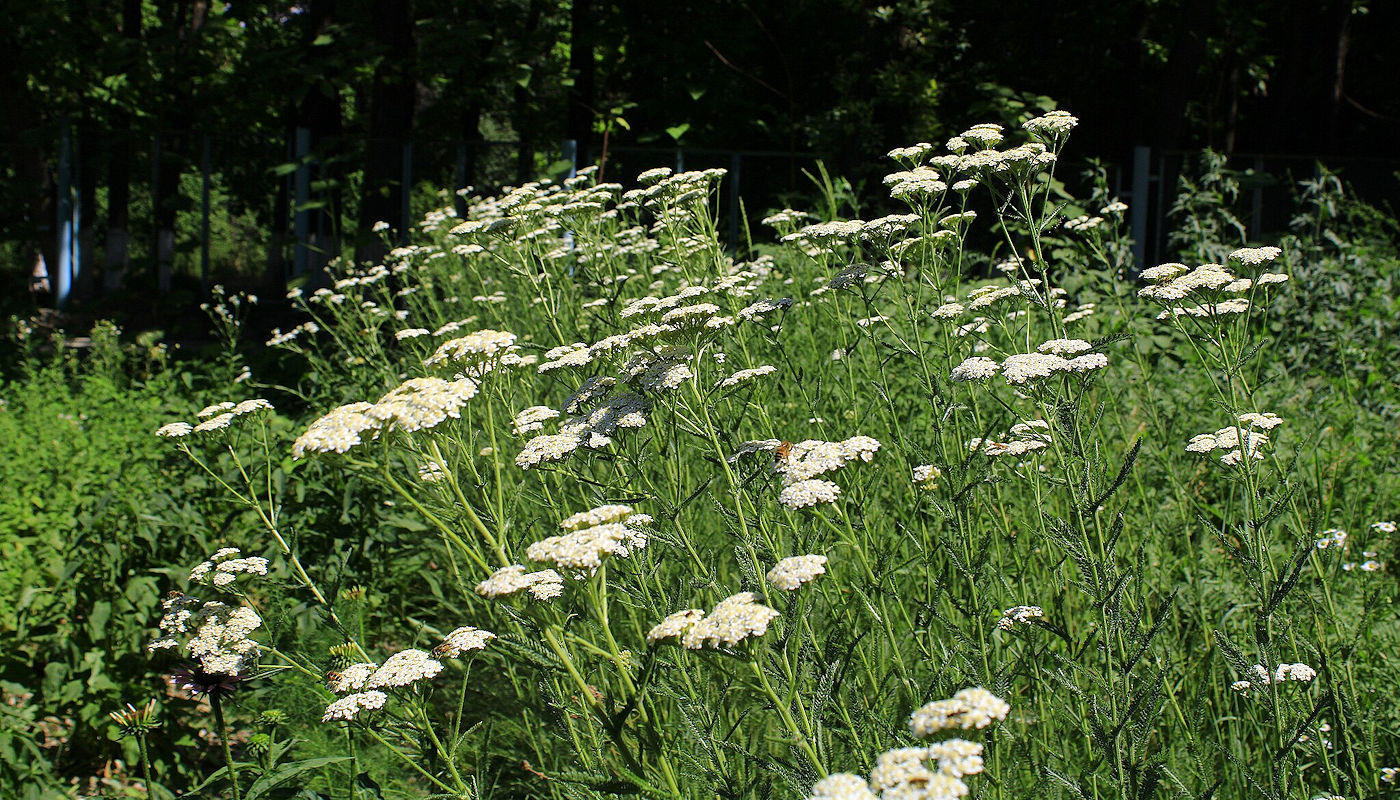
Yarrow (Achillea millefolium):
Yarrow (Achillea millefolium) is a perennial plant that can grow up to 2 feet tall and 2 feet wide. It is native to North America, especially the eastern and central regions. It prefers full sun or light shade and well-drained, average to moist soil. It blooms in late summer to early fall, producing pink, white, or yellow, flat-topped
OKLAHOMA RAIN GARDEN PLANTS
Click image to enlarge.
A draft of the Oklahoma Rain Garden Plant List by Oklahoma Department of Environmental Quality recommends the following native Oklahoma plants for rain gardens:
Ajuga (Ajuga reptans)
Ajuga (Ajuga reptans), also known as Bugleweed or Carpet Bugle, is a versatile ground cover plant suitable for raingardens in northeast Texas and southeast Oklahoma. Its dense, mat-forming growth helps control erosion and suppress weeds, making it ideal for stabilizing soil in raingardens. Ajuga thrives in
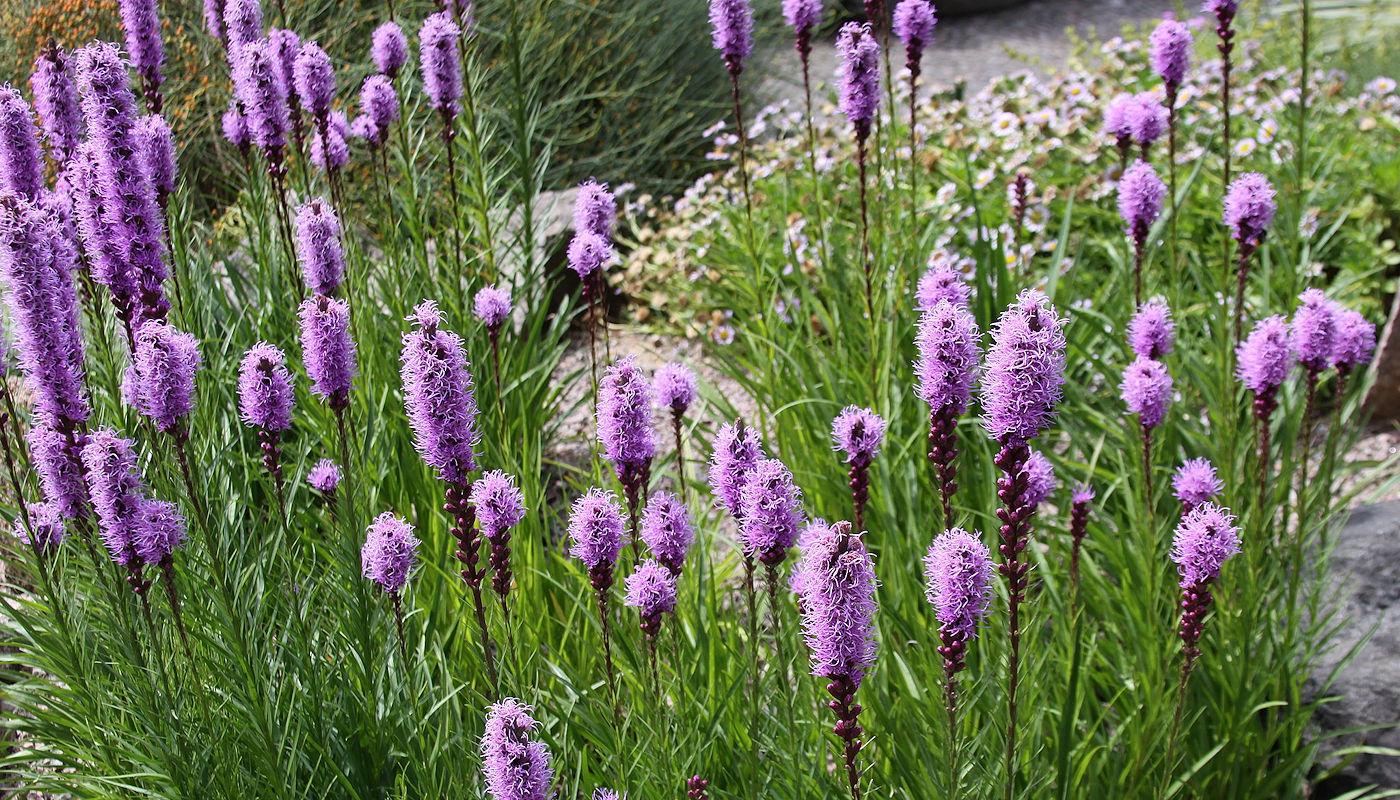
Blazing Star (Liatris spicata):
Blazing Star grows to a height of 2 to 5 feet and a width of 9 to 18 inches[1][2]. It is native to the eastern North America, where it grows in moist prairies and sedge meadows. It is hardy in USDA zones 3 to 9 [2]. It needs full sun and well-drained soil to thrive [1][2]. It can tolerate drought, poor soil, and humidity,
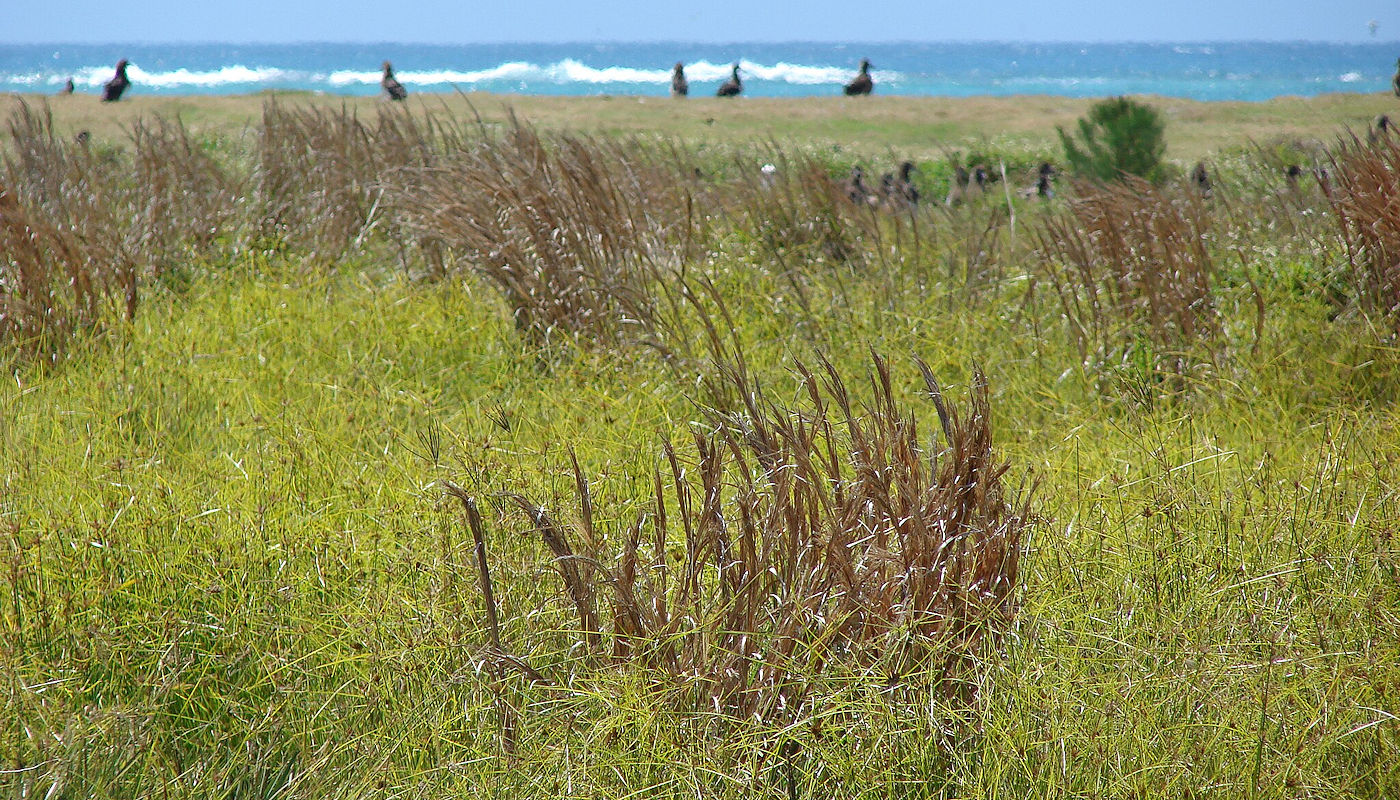
Bushy Bluestem (Andropogon glomeratus):
Bushy Bluestem grows to a height of 2 to 6 feet and a width of 2 to 3 feet [1][2]. Common names are: Bluestem,Broomsedge, Bush Beard Grass, Bushy Beard Grass, and Bushy Blue stem. It is native to the eastern and southern United States, where it grows in moist to wet soils. It is hardy in USDA zones 3 to 9,
Butterfly Weed (Asclepias tuberosa):
Butterfly weed is a bushy perennial that typically grows 3-4 feet tall and 2-3 feet wide[2]. Some cultivars may grow taller or shorter, depending on the growing conditions[1][2]. It is native to eastern and southwestern North America and can be found in most of the eastern and central U.S., as well as some parts of the

Cardinal Flower (Lobelia cardinalis):
Cardinal Flower grows to a height of 2 to 5 feet and a width of 9 to 18 inches. It is native to the eastern and southern United States, where it grows in moist to wet soils [3]. It is hardy in USDA zones 3 to 9. It needs full sun and moist to damp soil to thrive. Cardinal Flower can tolerate fire, deer, and poor soil.
Creeping Junipers (Juniperus horizontalis)
Creeping Junipers (Juniperus horizontalis) are ideal for rainscaping and raingardens in northeast Texas and southeast Oklahoma due to their excellent erosion control and drought tolerance. These low-maintenance plants thrive in full sun and well-drained soils, making them perfect for stabilizing slopes and . . .
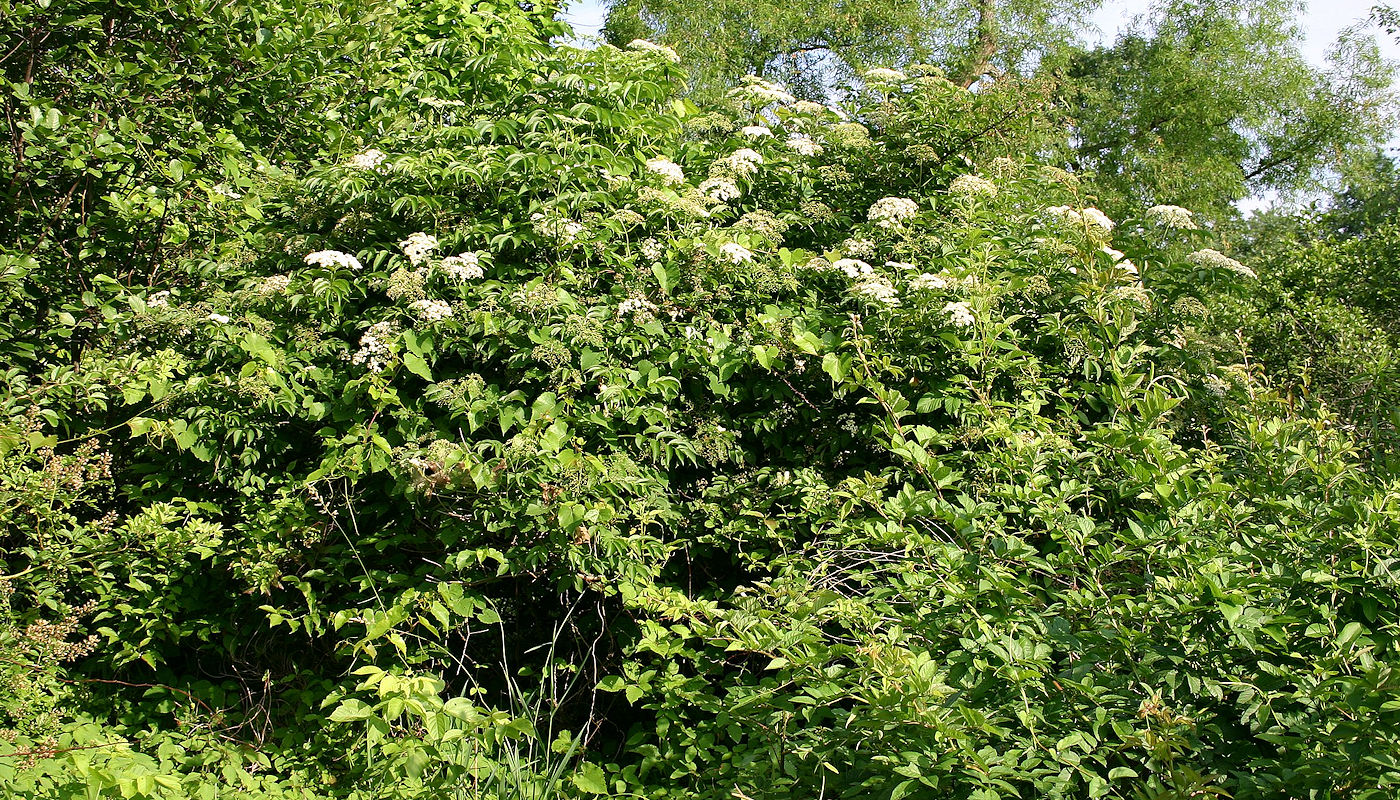
Elderberry (Sambucus canadensis):
The Elderberry (Sambucus canadensis) is a deciduous shrub or small tree that can grow up to 12 feet tall and 6 feet wide. It is native to North America and can be found in all areas of the U.S., especially along streams, marshes, moist forests, and disturbed areas. Elderberry needs moist but well-drained, humusy
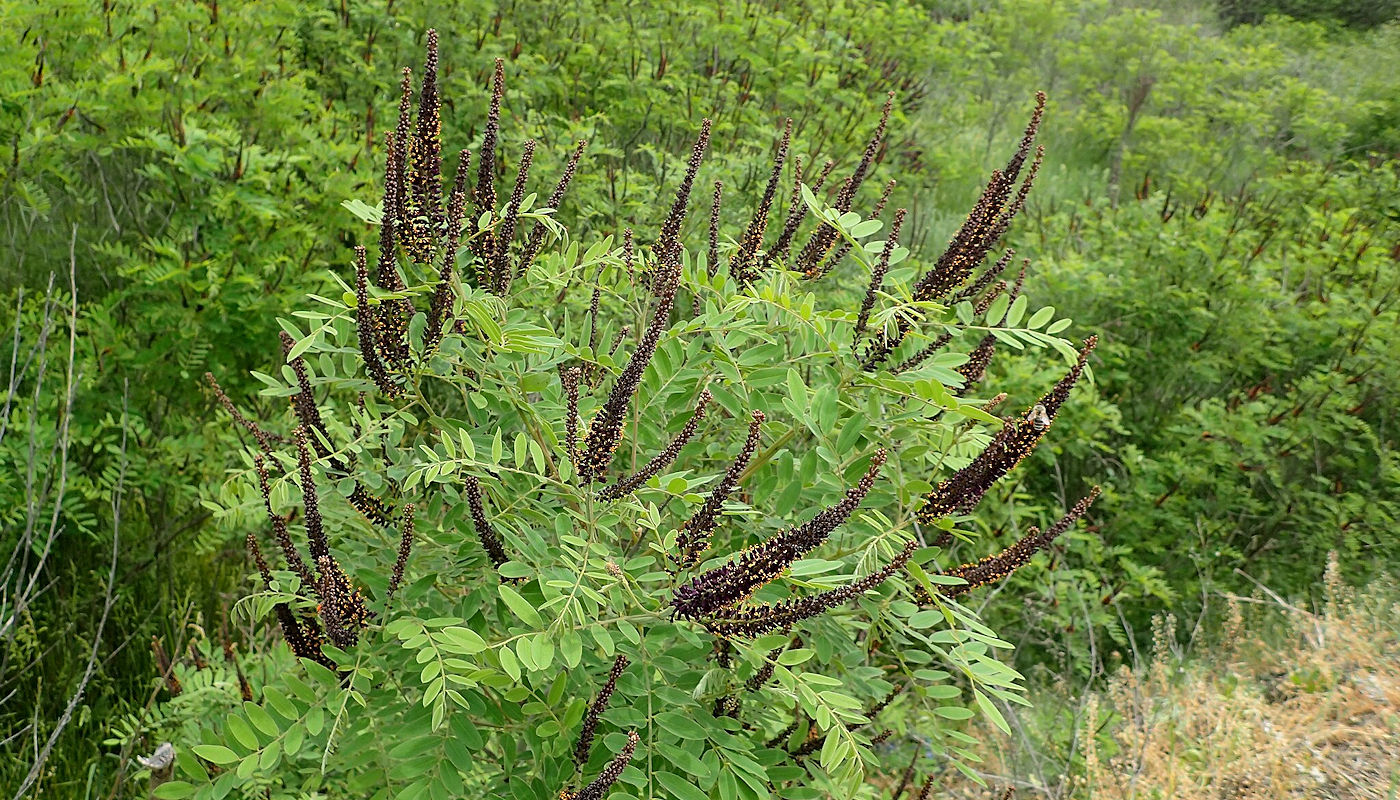
False Indigo (Amorpha fruticosa):
False Indigo is a deciduous shrub or small tree that can grow up to 15 feet tall and 10 feet wide. It is native to North America and can be found in all areas of the United States, especially along streams, marshes, moist forests, and disturbed areas [2][3]. False Indigo needs full sun to light shade and moist to dry,
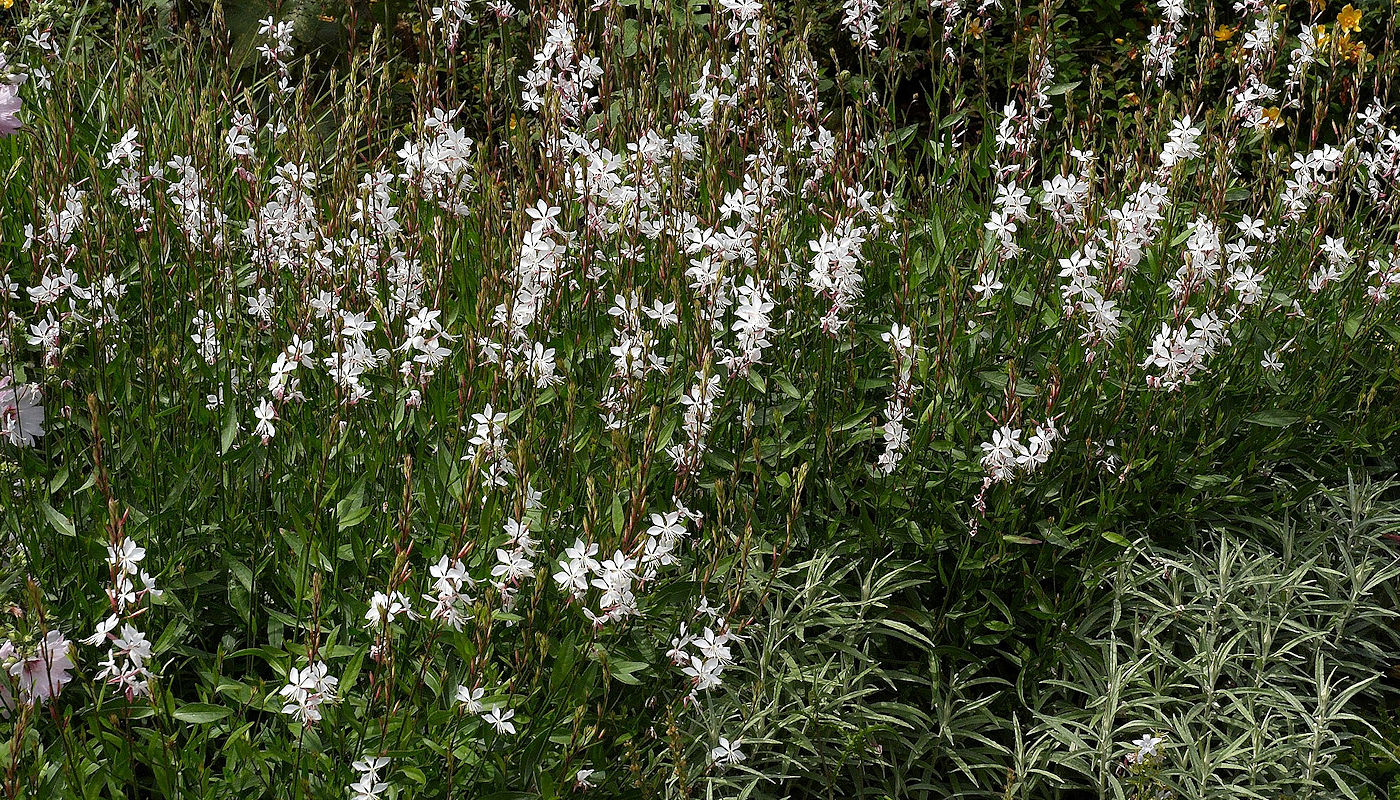
Gaura (Gaura lindheimeri):
Gaura can grow from 15 to 60 inches tall and spread up to 36 inches wide. It is native to Texas and Louisiana [2], but can also grow in other parts of the U.S. where the hardiness zones are 5 to 9 [1][2]. Gaura prefers sandy, loamy, well-drained soils in full sun, tolerating heat, humidity and some drought. It

Goldenrod (Solidago spp.):
Goldenrod can grow from 1 to 5 feet tall and spread up to 3 feet wide. Its flowers are small but dense, forming showy plumes or panicles. It is native to North and South America, with a few species in Eurasia. It can grow in most parts of the U.S. where the hardiness zones are 5 to 9 [2]. Goldenrod likes sunny locations
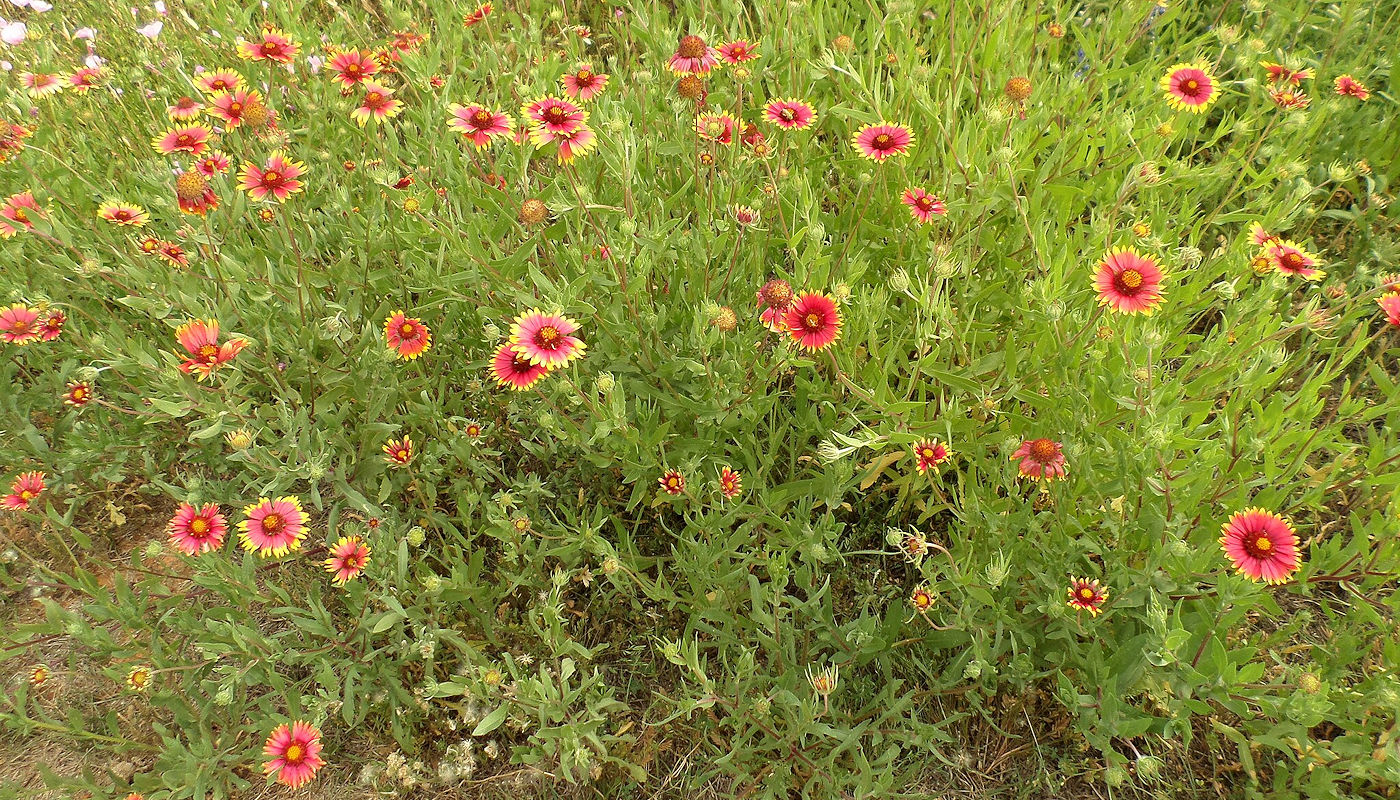
Indian Blanket (Gaillardia pulchella):
Indian Blanket can grow from 15 to 60 inches tall and spread up to 36 inches wide. It is native to northern Mexico and the southern and central United States from Arizona east to Florida and the Carolinas and north as far as Nebraska. It is also naturalized in scattered locations in other parts of the U.S. as well as in
Lilyturf (Liriope muscari):
Lilyturf can grow up to 18 inches in height and spread up to 24 inches. It can grow in zones 5 to 10 in the U.S., which include most of the states except for the coldest northern regions. Lilyturf blooms from late summer to early autumn, producing showy spikes of lavender or white flowers that resemble grape hyacinths. It needs
Switchgrass (Panicum virgatum):
Switchgrass is an excellent choice for raingardens and other rainscaping features due to its adaptability to both wet and dry conditions. Its deep root system helps stabilize soil and prevent erosion, making it effective for managing stormwater runoff and improving soil health[1]. Additionally, switchgrass is drought-
Periwinkle (Vinca Minor):
Periwinkle (Vinca Minor) is a popular choice for raingardens and rainscaping features due to its resilience and low-maintenance nature. Choose the Right Location: Select a spot with well-drained soil. Vinca Minor can thrive in full sun, partial shade, or full shade, but it prefers partial shade. Select a spot with well-
Resources