Creating Wildlife Habitat in Your Landscape -Naturescaping from Texoma Excavation & Construction
Texoma Excavation & Construction provides Naturescape Landscaping services that will enhance the wildlife habitat features of their property.

Using Animal Feeders to Attract & Sustain Wildlife
in Your Naturescape

Creating Wildlife Habitat in Your Landscape

Using Animal Feeders to Attract & Sustain Wildlife in Your Naturescape

Creating Wildlife Habitat in Your Landscape

You don’t need 5 to 50 acres to create a place that provides a habitat that encourages the growth and survival of your local ‘critters’. Regardless of the size of your property you can create safe spaces for various species of birds, mammals, and insects to rest, feed, and nest. Water features don’t have to be excavated ponds, they can be a large bowl of water or a birdbath. Many forms for nesting and security can be provided by logs, snags, leaf piles, bark, rocks, bird and bat houses, and brush piles. Note: there is method in the use of logs and brush piles, so don’t just dump a load of leaves and straw somewhere.

What types of feeders can be distributed in a backyard to enhance various types of wildlife like birds, squirrels, etc.?

Creating Wildlife Habitat in Your Landscape -Naturescaping from Texoma Excavation & Construction

There are different types of feeders that can attract different kinds of wildlife to your backyard. Some of the most common ones are:

There are different types of feeders that can attract different kinds of wildlife to your backyard. Some of the most common ones are:

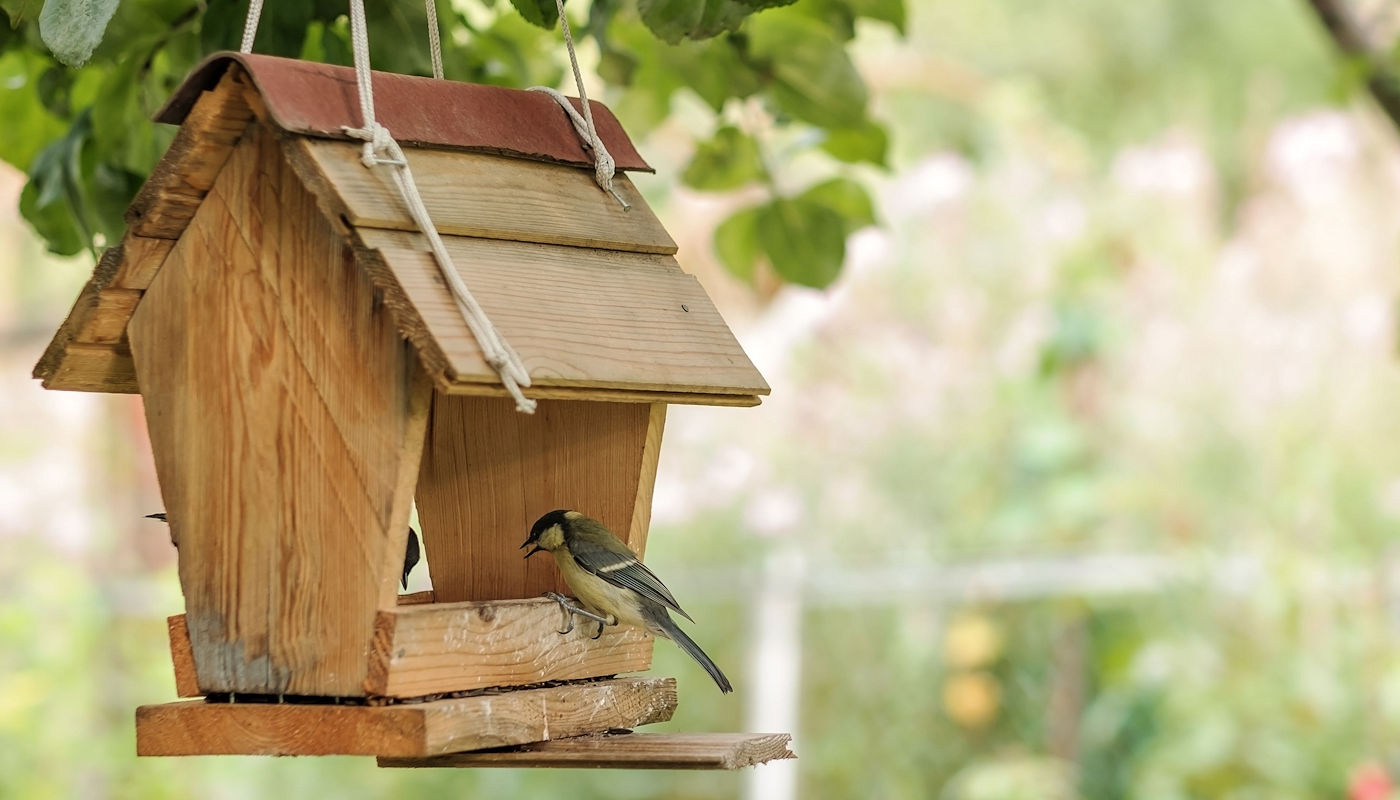
  • Bird feeders: Bird feeders can be hanging, platform, or tube feeders that provide seeds, nuts, fruits, or suet for birds. Depending on the type and size of the feeder, you can attract a variety of birds, such as cardinals, finches, woodpeckers, chickadees, and hummingbirds [4]. You can also use nectar feeders for hummingbirds and orioles, or fruit feeders for robins and waxwings [3].
  • Squirrel feeders: Squirrel feeders can be boxes, trays, or corn cob holders that provide nuts, corn, or seeds for squirrels. Squirrels are agile and can access most bird feeders, but having a separate feeder for them can reduce the competition and conflict with birds⁶. You can also attract chipmunks, raccoons, and other rodents with squirrel feeders [5].
Creating Wildlife Habitat in Your Landscape -Naturescaping from Texoma Excavation & Construction
  • Deer feeders: Deer feeders can be troughs, buckets, or bags that provide grains, pellets, or fruits for deer. Deer feeders can help supplement the natural diet of deer, especially in winter when food is scarce [2]. You can also attract other herbivores, such as rabbits, with deer feeders [5].
  • Wildlife feeders: Wildlife feeders are general-purpose feeders that can provide a mix of foods for various animals. You can use a large tub, barrel, or bin that can hold corn, sunflower seeds, peanuts, or other foods that are appealing to many wildlife species [1]. You can attract animals such as turkeys, bears, foxes, and coyotes with wildlife feeders [5].
Attracting wildlife to certain landscaping features - Monarch Butterflies – Texomaland & North Texas

What types of animals, reptiles, insects can be attracted to feeders?

Depending on the type and location of the feeders, you can attract a range of animals, reptiles, and insects to your backyard. Some of the possible visitors are:

  • Animals: Besides the ones mentioned above, you can also attract animals such as opossums, skunks, weasels, badgers, and bobcats with feeders⁵. Some of these animals may be nocturnal, so you may need to use a trail camera or a flashlight to observe them [5].
  • Reptiles: Reptiles such as snakes, lizards, and turtles may be attracted to feeders that provide water, insects, or small rodents. You can use a birdbath, a pond, or a shallow dish of water to provide a water source for reptiles and other wildlife.

You can also use a rock pile, a log, or a brush pile to provide shelter and basking spots for reptiles [5].

  • Insects: Insects such as butterflies, bees, and moths may be attracted to feeders that provide nectar, pollen, or fruit. You can use a butterfly feeder, a hummingbird feeder, or a fruit feeder to provide food for insects. You can also plant flowers, herbs, or shrubs that are native and attractive to insects in your backyard [3].
Attracting wildlife to certain landscaping features - Monarch Butterflies – Texomaland & North Texas

How should the feeders be
located and spaced?

The location and spacing of the feeders are important factors to consider for the safety and comfort of the wildlife and yourself. Here are some tips to follow:

  • Choose a safe and visible spot: You should place the feeders in a spot that is safe from predators, such as cats, dogs, or hawks, and that is visible from your house or a nearby window. You can use a pole, a tree, or a fence to hang or mount the feeders, and make sure they are at least 10 feet away from any buildings or structures that predators can use to jump or climb⁴. You can also use baffles, wires, or spikes to deter predators from accessing the feeders [4].
Texoma Excavation & Construction provides Naturescape Landscaping services that will enhance the wildlife habitat features of their property.
  • Space the feeders apart: You should space the feeders at least 10 feet apart from each other to reduce the crowding and competition among the wildlife. You can also use different types and sizes of feeders to cater to different kinds of wildlife and their feeding preferences. For example, you can use a table-like feeder for ground-feeding birds, a hopper or tube feeder for shrub and treetop feeders, and a suet feeder for woodpeckers, nuthatches, and chickadees [4].
  • Clean and refill the feeders regularly: You should clean and refill the feeders at least once a week to prevent the spread of diseases, parasites, and mold among the wildlife. You can use a mild bleach solution (one part bleach to nine parts water) to disinfect the feeders and rinse them thoroughly with water. You can also use fresh and dry food that is suitable for the wildlife and store it in a cool and dry place [4].
Protecting animals using feeders in your Naturescape – Texomaland & North Texas

What protections should be taken so the animals using the feeders won’t fall prey to cats or other predators?

Choose a safe and visible spot for the feeders and use baffles, wires, or spikes to deter predators from accessing the feeders. Consider additional precautions to protect the animals using feeders, such as:

  • Keep your pets indoors or on a leash: You should keep your cats, dogs, or other pets indoors or on a leash when the feeders are in use, especially during dawn and dusk when the wildlife are most active. You can also use a bell, a collar, or a tag to alert the wildlife of your pet’s presence [5].
  • Provide cover and escape routes: You should provide cover and escape routes for the wildlife in case of a predator attack. You can use shrubs, trees, or brush piles to provide shelter and hiding places for the wildlife. You can also use fences, walls, or rocks to provide barriers and obstacles for the predators [5].
Protecting animals using feeders in your Naturescape – Texomaland & North Texas
  • Do not feed the predators: You should not feed the predators, such as coyotes, foxes, or bears, intentionally or unintentionally. You can use a secure lid, a lock, or a chain to prevent the predators from accessing the feeders or the food storage. You can also use a motion-activated light, a noise maker, or a sprinkler to scare away the predators [5].
Attracting wildlife to certain landscaping features - Feeder Spacing & Location – Texomaland & North Texas

How much space is required for a number of animal feeders?

The amount of space required for a number of feeders depends on the type and size of the feeders, the number and variety of the wildlife, and the layout of your backyard. As a general rule, you should have at least 10 feet of space between each feeder and any buildings or structures, and at least 10 feet of space between each feeder and any other feeder [4]. You should also have enough space to provide cover and escape routes for the wildlife, and to observe and enjoy the wildlife from a safe distance [5].

Texoma Excavation & Construction (TEC) owner Zach Sander’s degree from Colorado State is in Wildlife Biology. Upon graduation, he put his degree to work at the Division of Wildlife in Colorado for about 5 years engaged in building improvements that ranged from ponds, and riparian (river like) areas, to planting food plots and growing crops for wildlife. He uses this experience to provide naturescape landscaping services to those who own land and want to enhance its wildlife habitat capacities, increasing the number of deer, ducks, turkeys, bees, butterflies, or other wildlife (big or very small) that might enjoy its use.

Resources

Past Excavation Projects
Pond Construction Residential Drainage Excavation Services by Texoma Excavation & Construction – Texomaland & North Texas

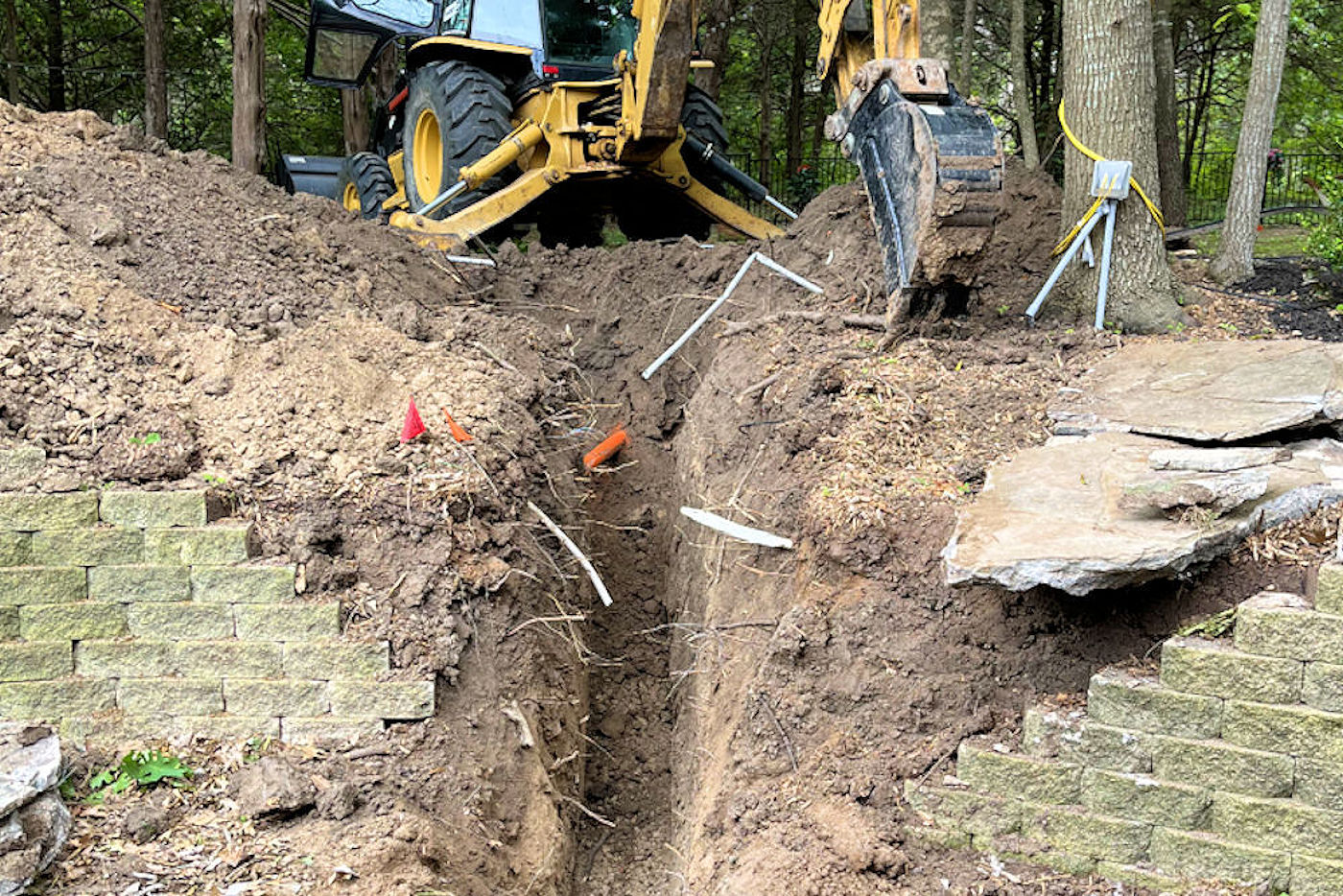
The above image shows Texoma Excavation & Construction digging a new power supply ditch and tying into the existing live power supply near Melissa, Texas. The paver stones were salvaged to be replaced. All the PVC, electrical conduit, phone lines, and small electrical lines that were destroyed were anticipated.

Pond Construction Excavation Services by Texoma Excavation & Construction – Texomaland & North Texas

Pond building is a complex process that requires careful planning and execution. After all the planning, the first construction step is excavation of the area where the pond will be located. The pond excavation work shown above was near Montague, Texas. When this pond is full, it will be 7′ 2″ deep at its deepest point.
Trenching Excavation Services by Texoma Excavation & Construction – Texomaland & North Texas

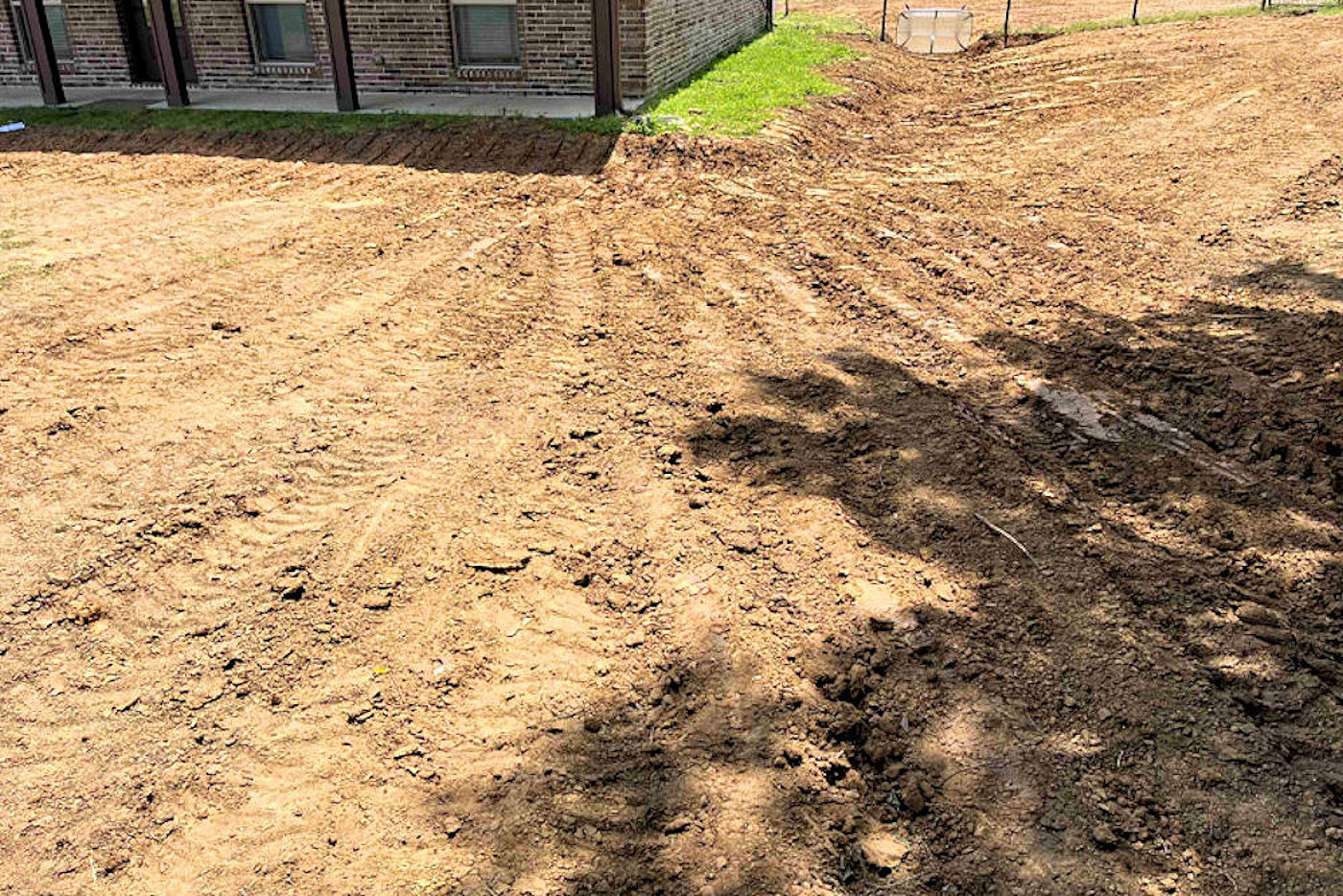
Residential drainage excavation work done near Denison, Texas. This client had some significant drainage problems during periods of high-volume runoff and tried to excavate a ditch to channel water away from his house. We were hired to polish the existing ditch and spread some grass seed.
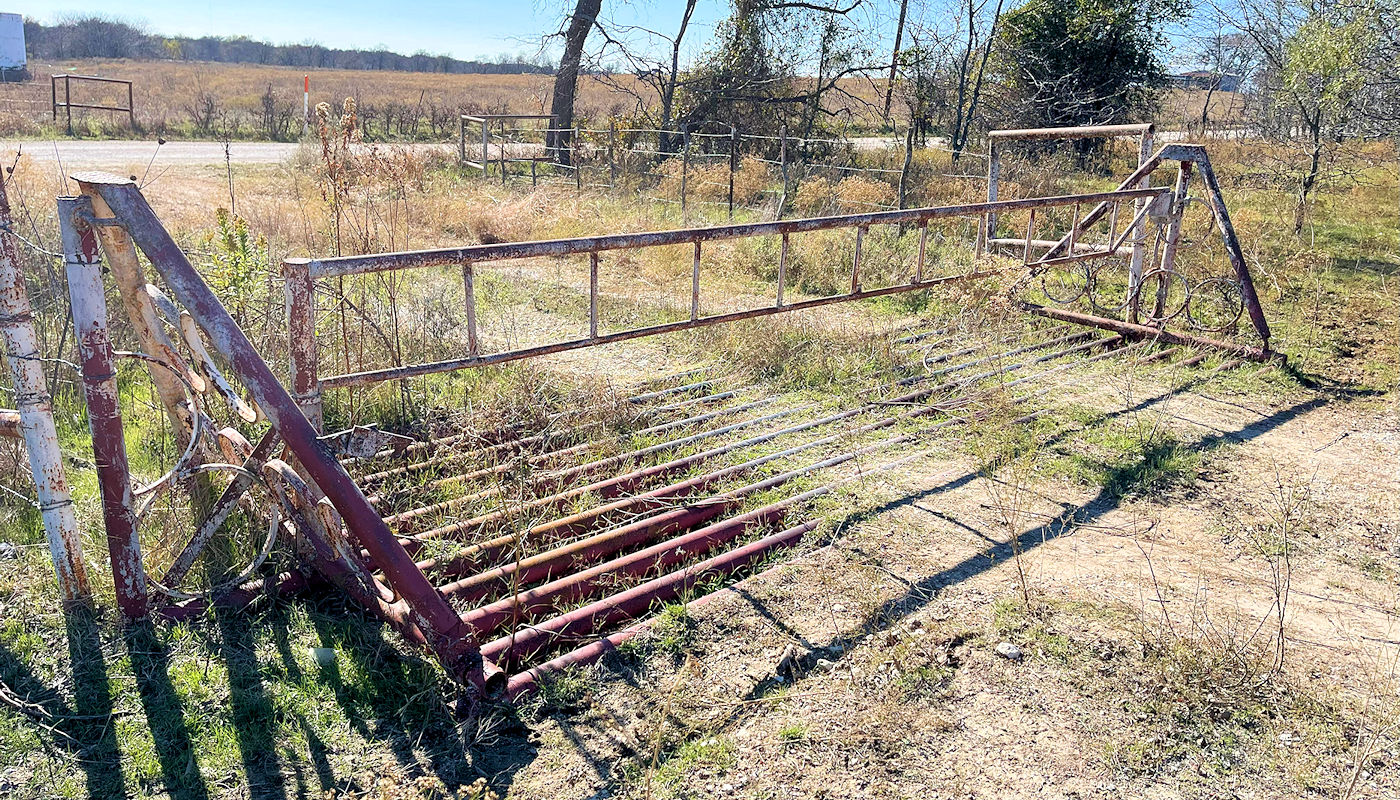
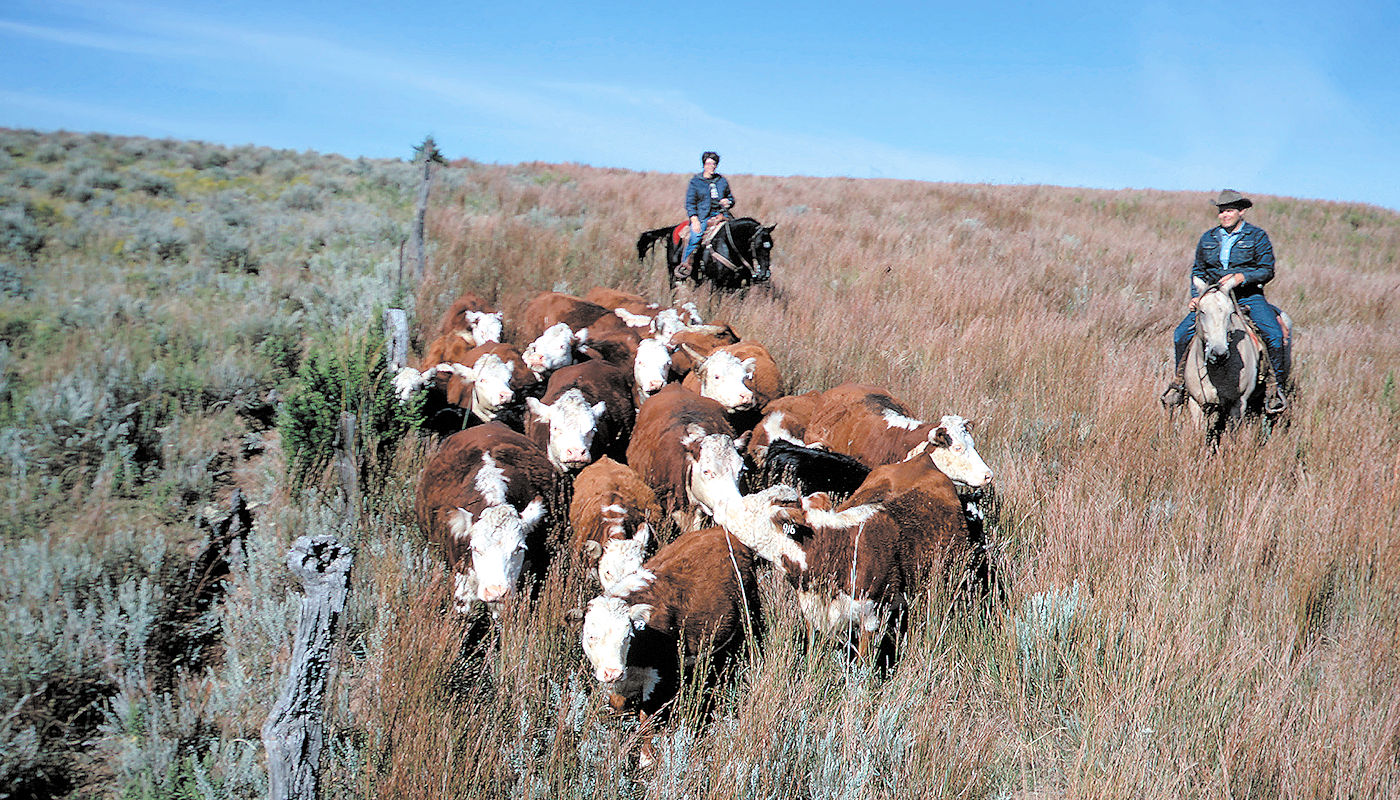
Cattle Guards: Managing Livestock Movement Between Pastures - Farm & Ranch Soil Erosion Overgrazing Risk - Texoma Excavation & Construction – Texomaland & North Texas
Farm & Ranch Soil Erosion Overgrazing Risk - Texoma Excavation & Construction – Texomaland & North Texas
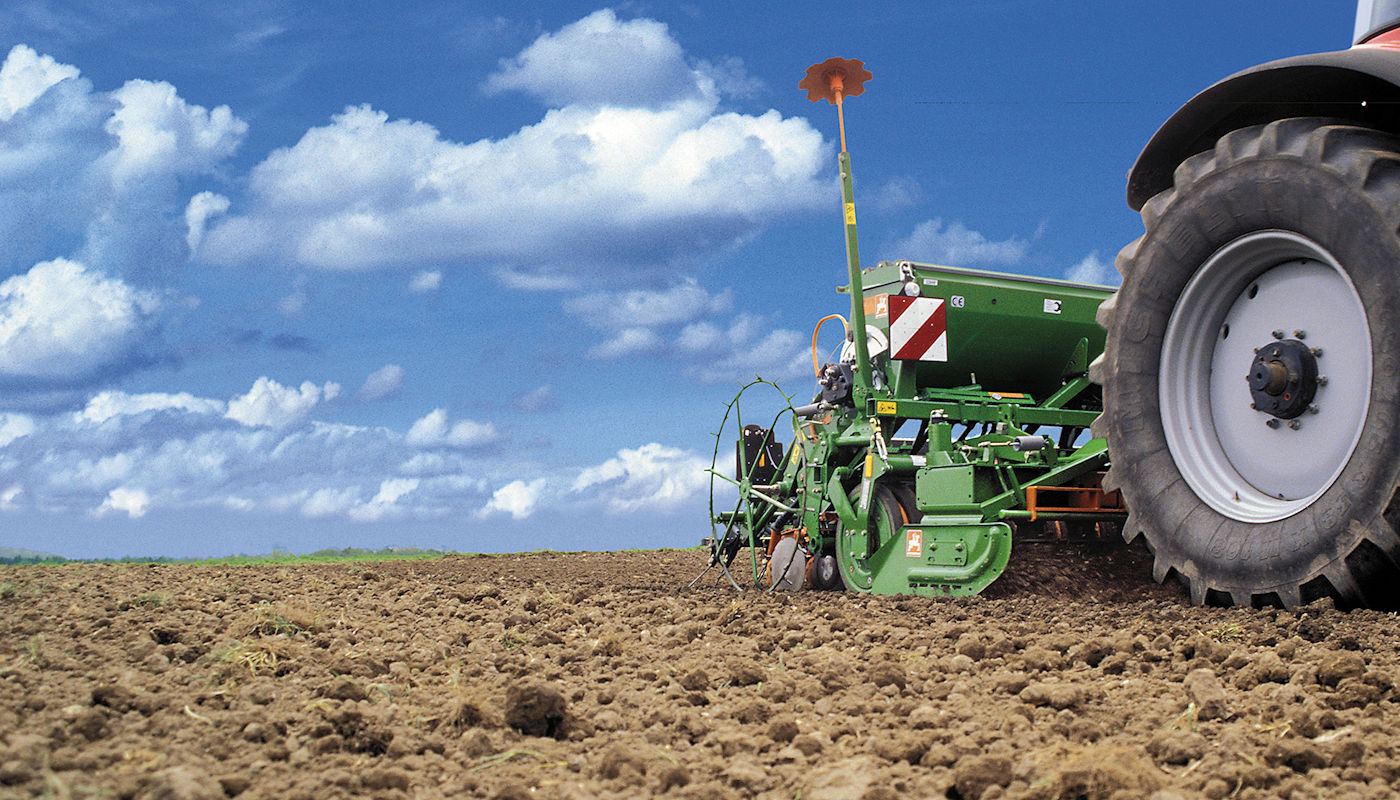
Tillage Erosion - Texoma Excavation & Construction – Texomaland & North Texas
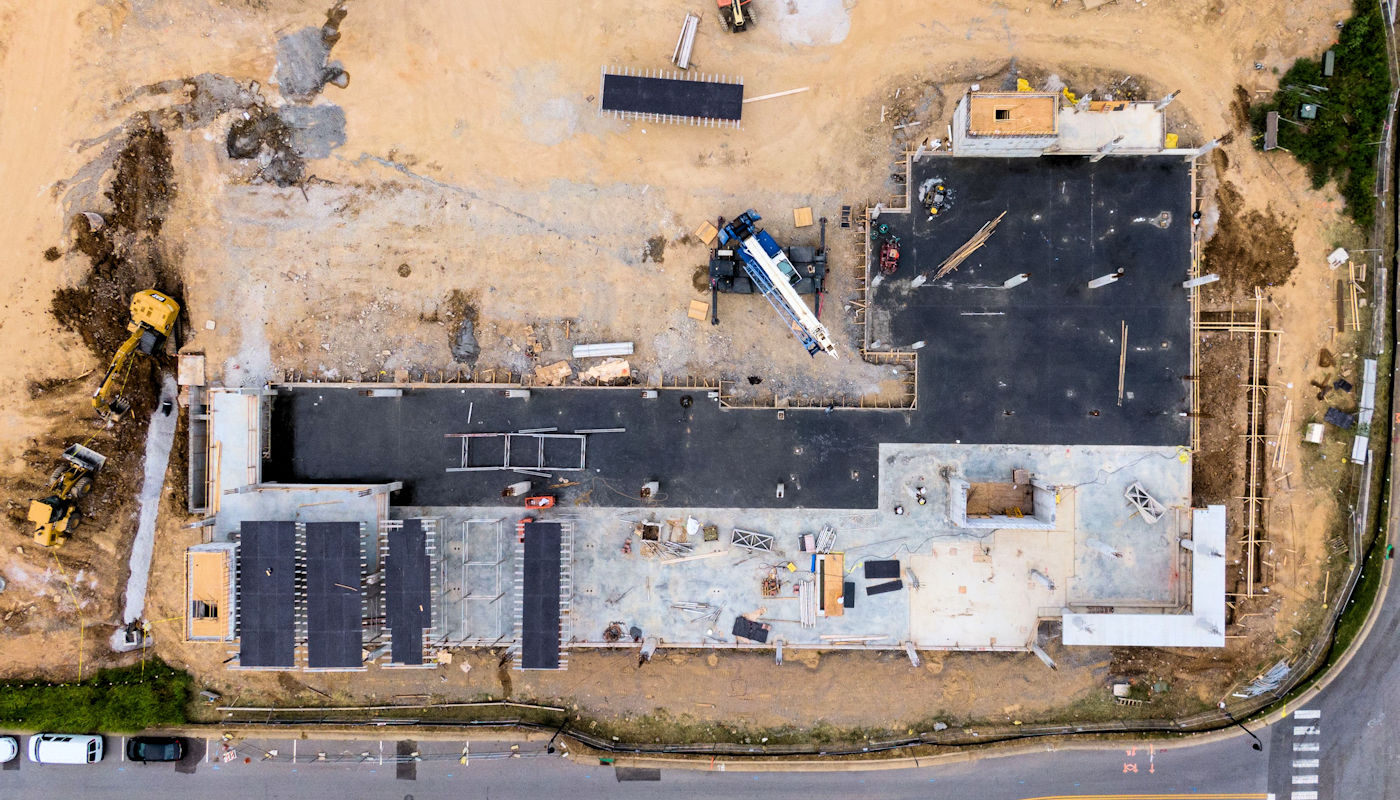
Construction Site Erosion Control - Texoma Excavation & Construction – Texomaland & North Texas
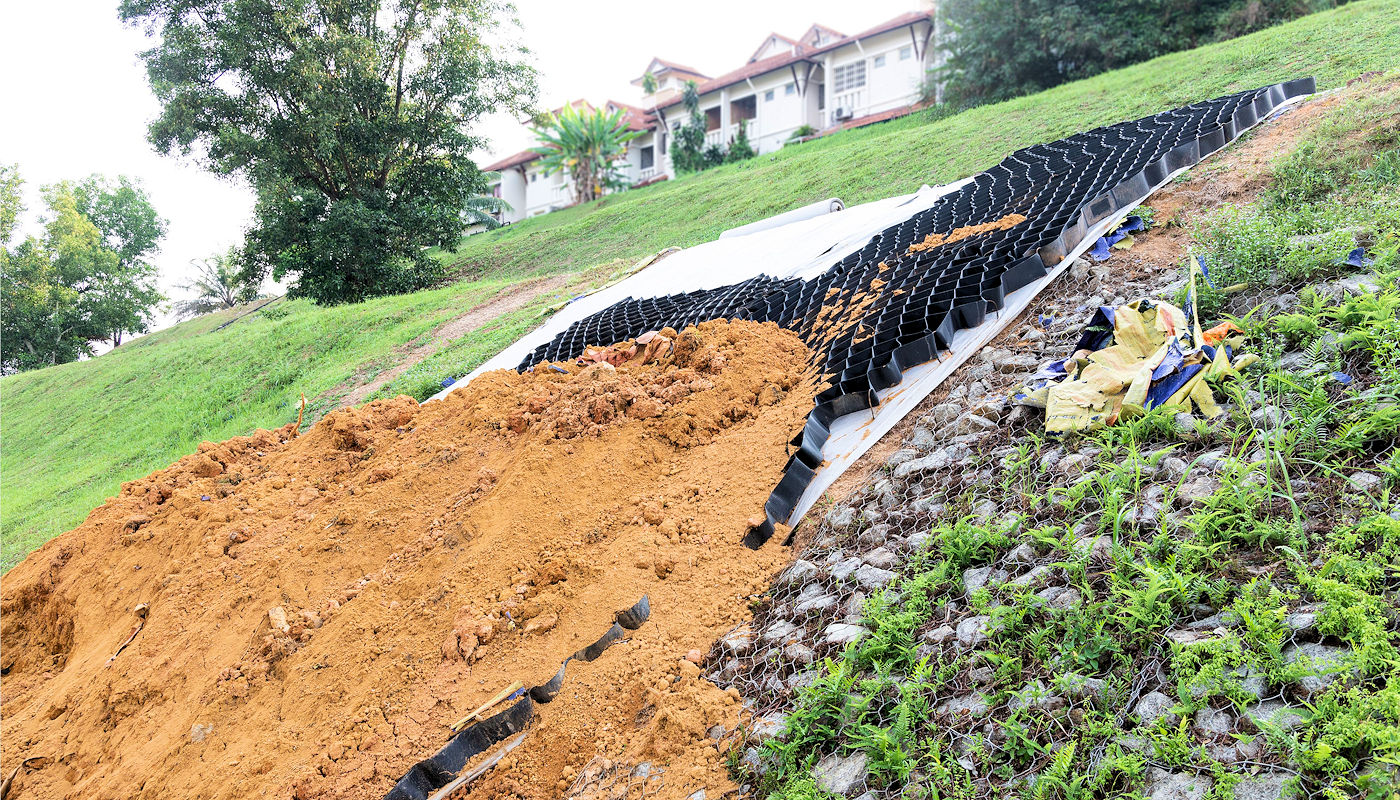
Effects of various Erosion Types on Homes and Businesses - Texoma Excavation & Construction – Texomaland & North Texas
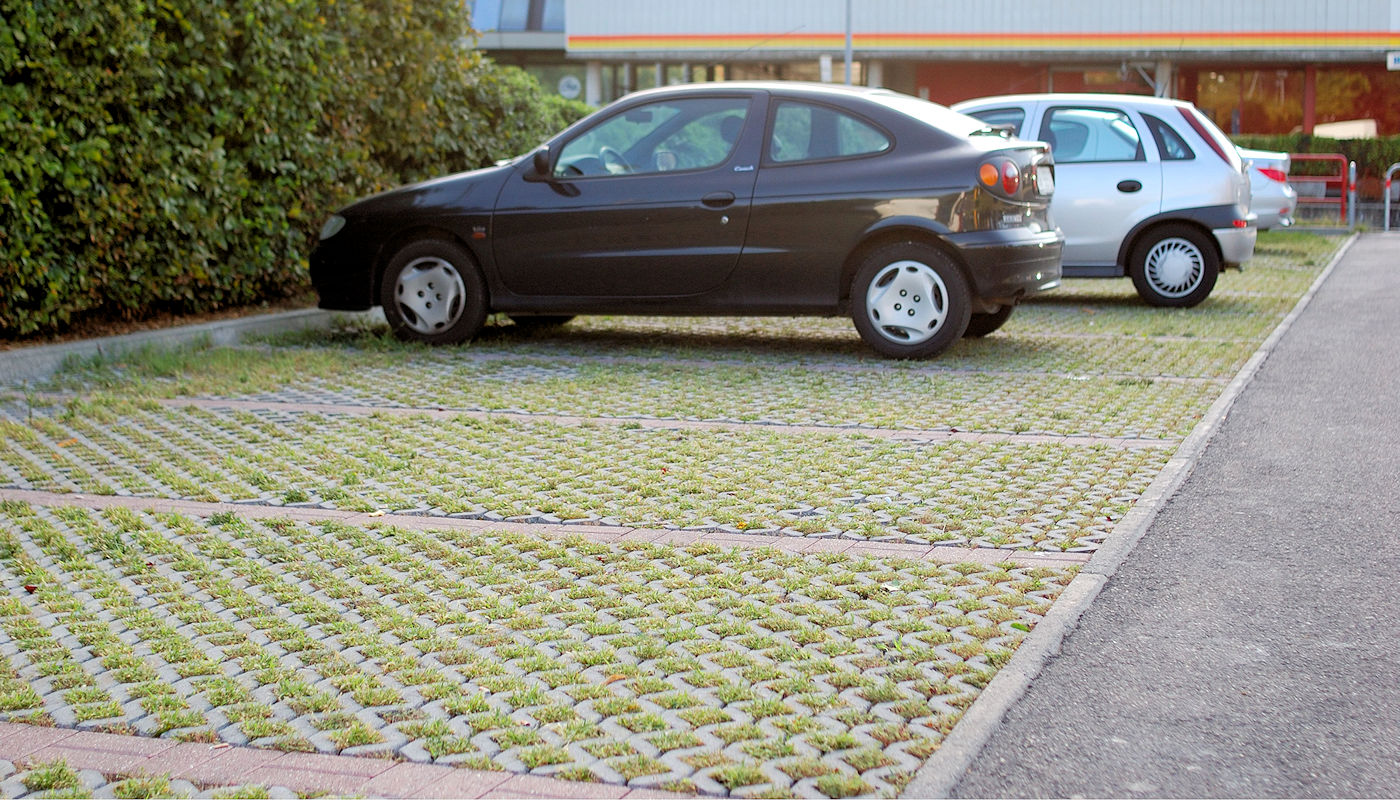
Permanent Pavement Benefits - Texoma Excavation & Construction – Texomaland & North Texas - Texoma Excavation & Construction – Texomaland & North Texas