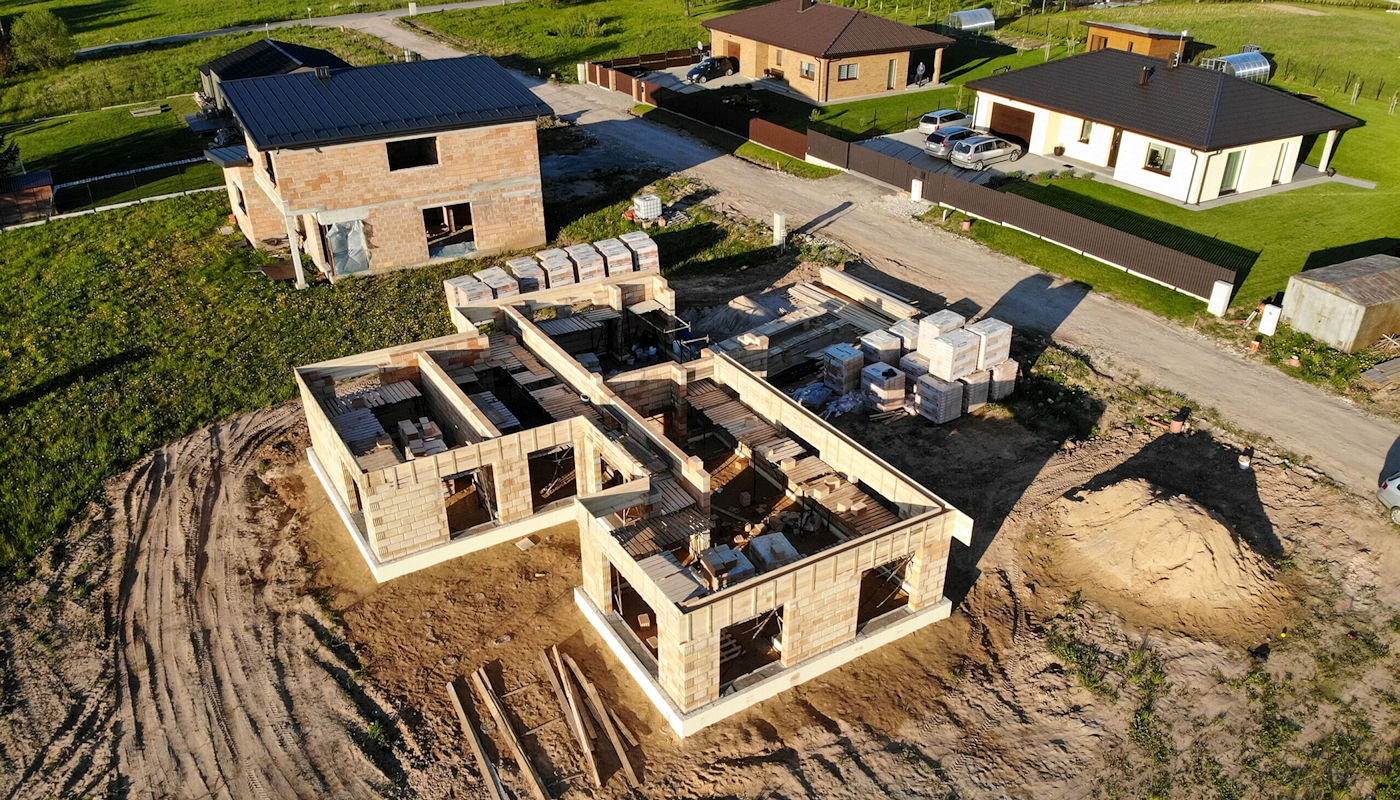
What is an Erosion & Sedimentation Control Plan?
What Construction Sites Require an ESCP?
What is an Erosion & Sedimentation Control Plan?
What Construction Sites Require an ESCP?
Types of construction projects in Texas that Require an Erosion & Sediment Control Plan (ESCP)
An Erosion and Sediment Control Plan (ESCP) is a document that describes the measures and practices to prevent or minimize soil erosion and sedimentation during construction activities. In Texas, an ESCP is required for any construction project that disturbs one acre or more of land, or is part of a larger common plan of development that will disturb one acre or more of land [1]. These projects must also obtain coverage under the Texas Pollutant Discharge Elimination System (TPDES) General Permit for Stormwater Discharges from Construction Activities (TXR150000) [2].
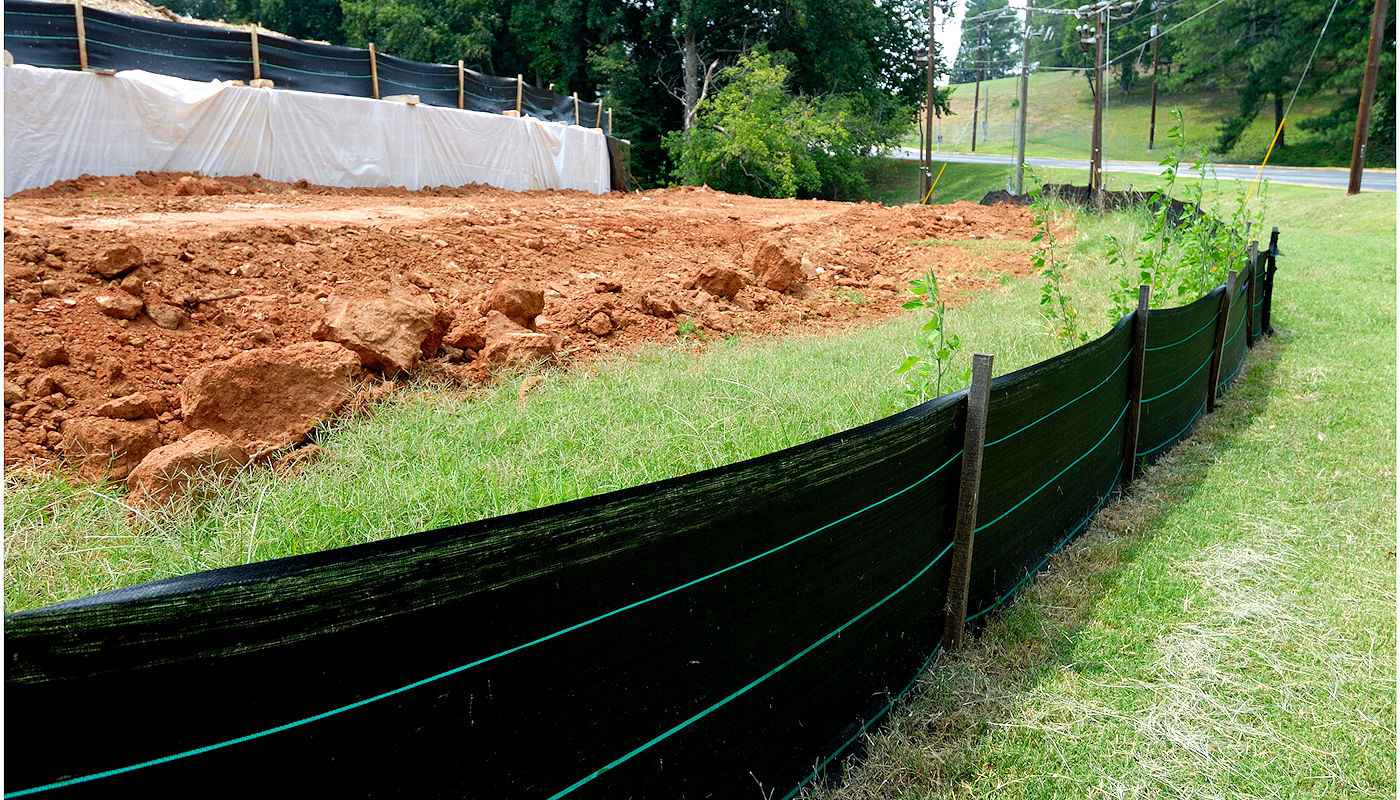
An ESCP must include the following elements:
Who Prepares an ESCP
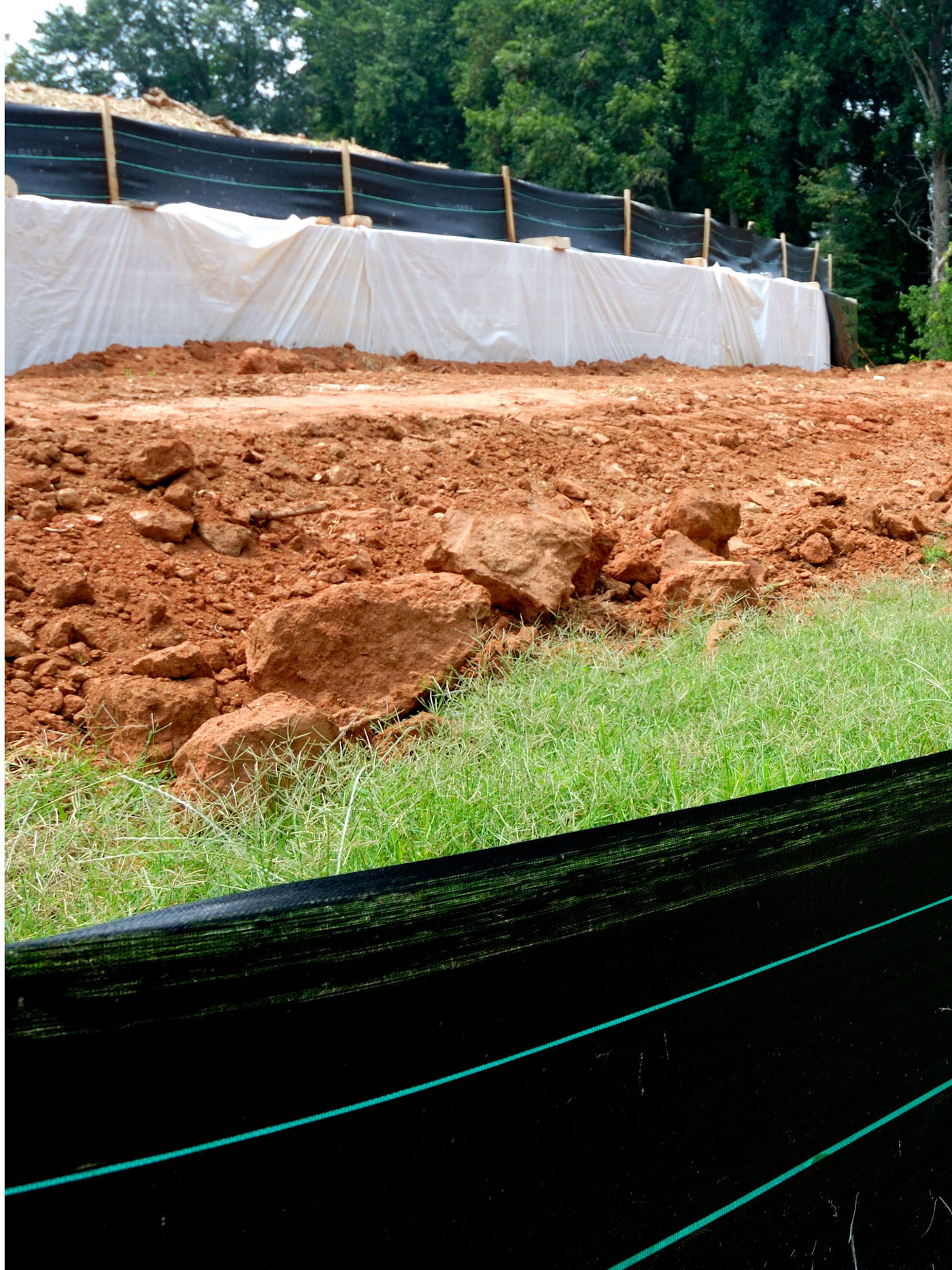
An ESCP must be prepared by a qualified person, such as a professional engineer, a certified professional in erosion and sediment control, or a registered landscape architect [1]. The ESCP must be kept on site and updated as necessary to reflect the current site conditions and construction activities [1]. The ESCP must also be consistent with the requirements of the TPDES General Permit and any local ordinances or regulations [2].


Examples of construction projects in Texas requiring an ESCP:
For more information and guidance on how to create an effective ESCP, you can refer to the following resources:
What is the difference between an ESCP and a SWPPP?
An ESCP (Erosion and Sediment Control Plan) and a SWPPP (Stormwater Pollution Prevention Plan) are both documents that describe how to prevent or minimize soil erosion and sedimentation during construction activities. However, they have some differences in scope, content, and requirements.
Here are some of the main differences between an ESCP & SWPPP [7][8][9][10]:

Do any cities or counties in Texas have separate ESCP or SWPPP requirements?
Yes, some cities or counties in Texas (and other states) have separate ESCP (Erosion and Sediment Control Plan) or SWPPP (Stormwater Pollution Prevention Plan) requirements that are more stringent than the state-level requirements [11][12].

Exemptions for Small Construction Projects from ESCP


According to the Texas Commission on Environmental Quality (TCEQ), there are some exemptions for small construction projects that do not require an ESCP or a TPDES General Permit. [14]
Small Construction ESCP Exemptions include:
For more information and guidance on the exemptions for small construction projects, refer to the following resources:

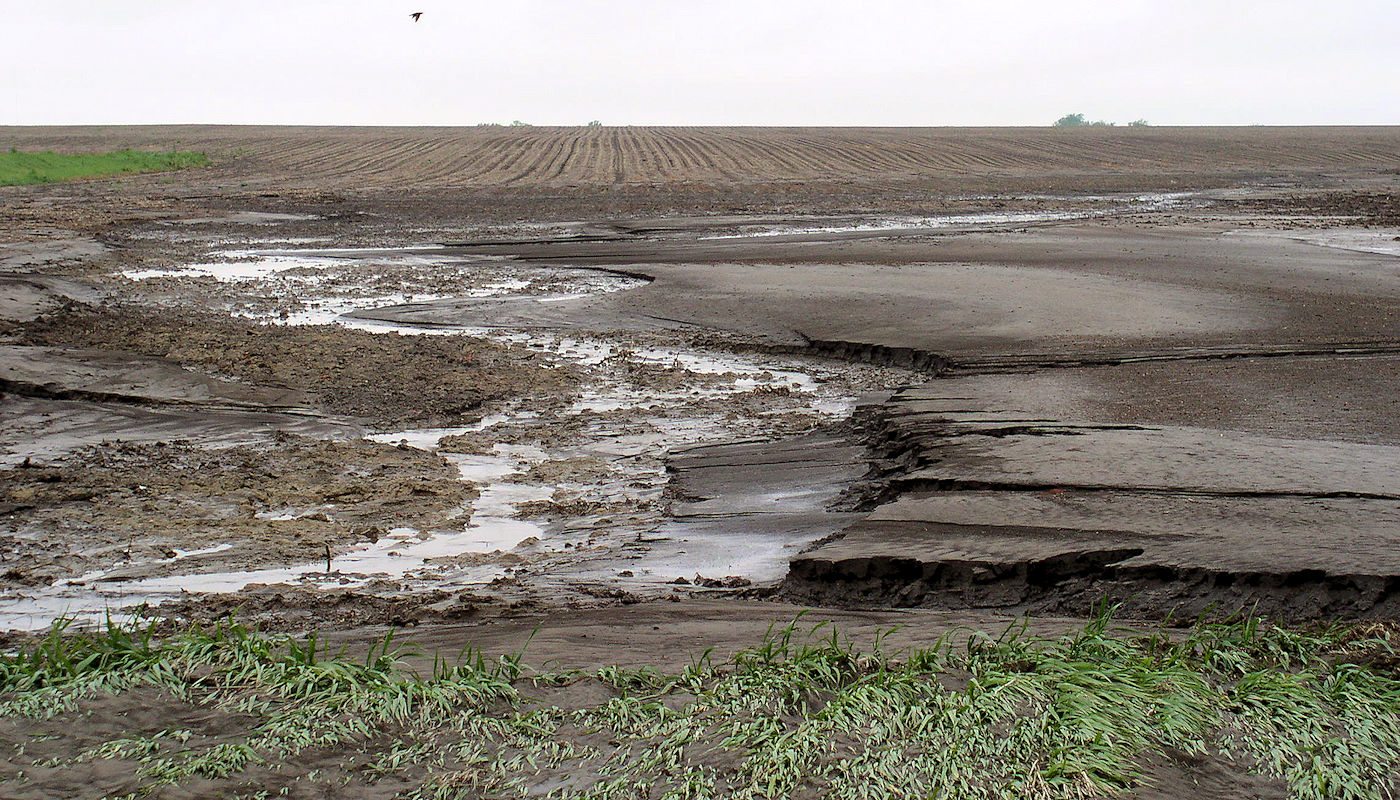
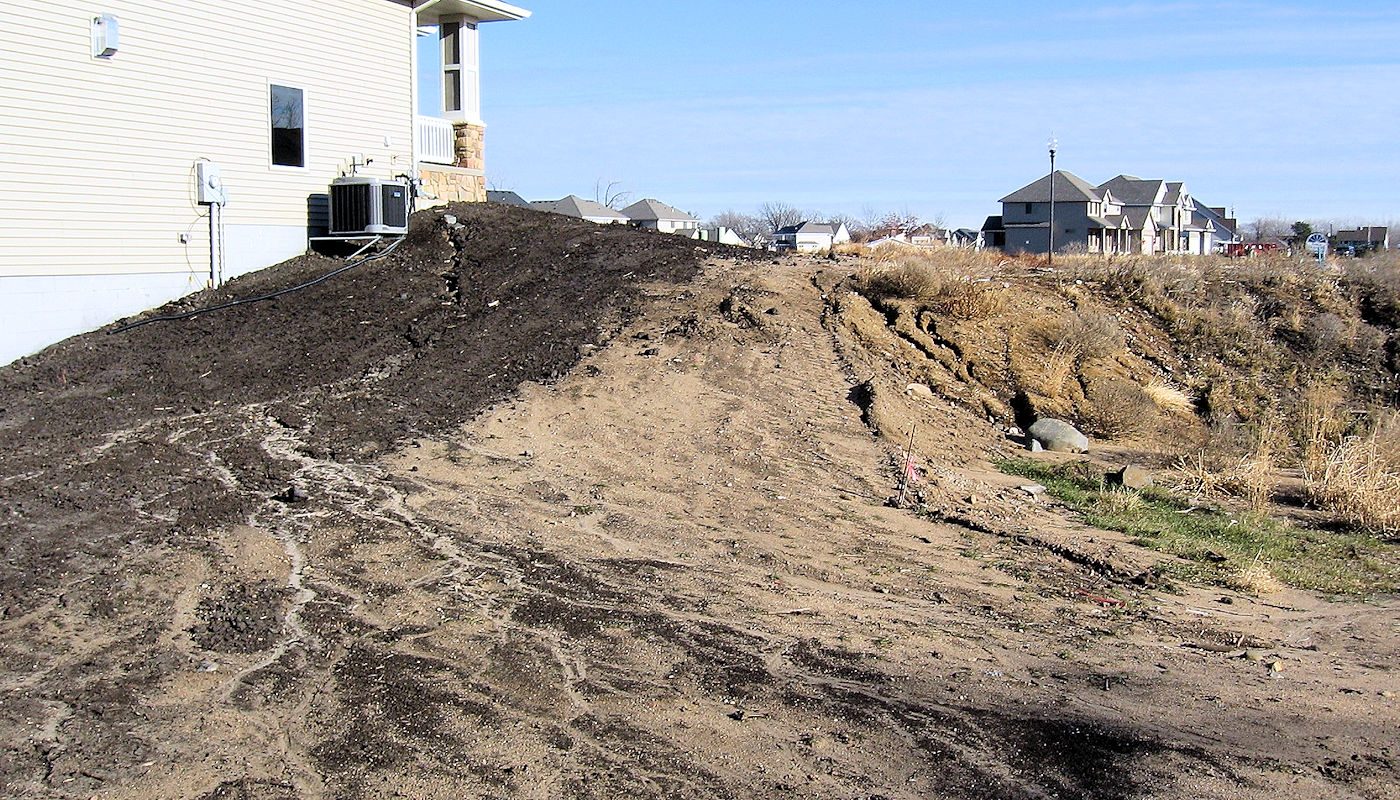
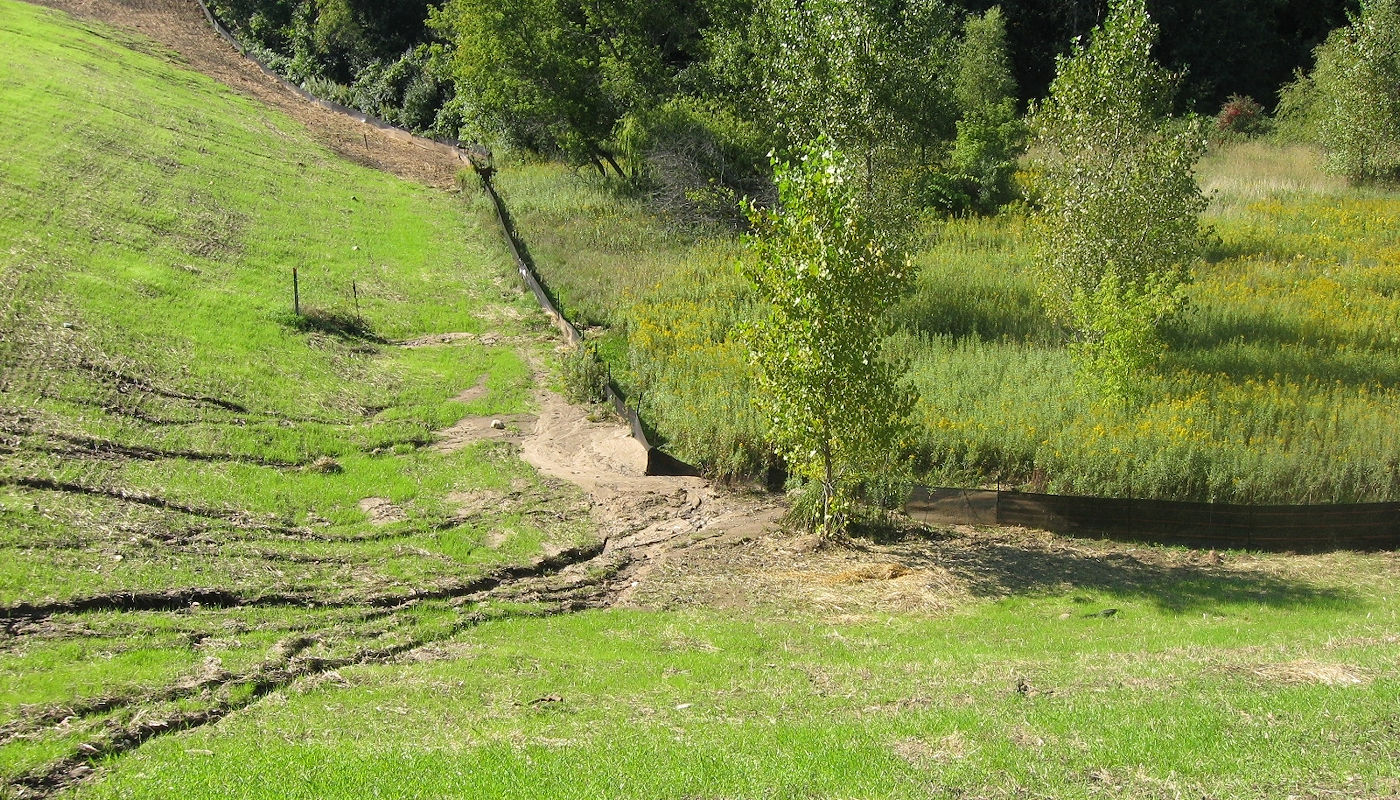
Abandoned Housing Development Construction Site Erosion
Penalties for Failure to Comply with Erosion & Sedimentation Control Plan (ESCP) requirements?
Not having an ESCP (Erosion and Sediment Control Plan) for a construction site can result in serious penalties, depending on the level and frequency of the violation [15][16][17].
Some of the possible penalties are:

Abandoned Housing Development Construction Site Erosion
Therefore, it is very important to have an ESCP for any construction project that disturbs one acre or more of land, or is part of a larger common plan of development that will disturb one acre or more of land, as required by the Texas Pollutant Discharge Elimination System (TPDES) General Permit for Stormwater Discharges from Construction Activities (TXR150000) [17]. It is also advisable to check with the local authorities for any additional ESCP requirements or regulations that may apply to the project site.
Erosion Control Services & Solutions:
Farm & Ranch Soil Erosion Restoration & Repair
Texoma Excavation & Construction is an excavation company and erosion control contractor specializing in construction site erosion control. We design, implement, and maintain residential, commercial, and construction site erosion control plans. We use a variety of techniques to prevent soil erosion, including vegetation, retaining walls, and a variety of drainage systems for the job. [read more]
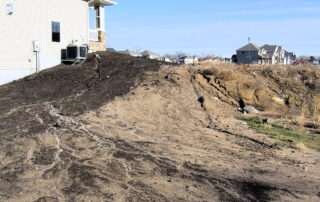
Residential & Commercial Soil Erosion Restoration & Repair
Texoma Excavation & Construction is an excavation company and erosion control contractor specializing in construction site erosion control. We design, implement, and maintain residential, commercial, and construction site erosion control plans. We use a variety of techniques to prevent soil erosion, including vegetation, retaining walls, and a variety of drainage systems for the job. [read more]
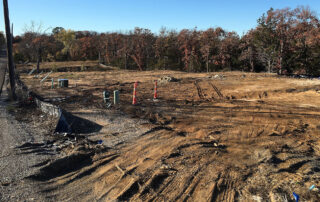
Construction Site Erosion Control
Texoma Excavation & Construction is an excavation company and erosion control contractor specializing in construction site erosion control. We design, implement, and maintain residential, commercial, and construction site erosion control plans. We use a variety of techniques to prevent soil erosion, including vegetation, retaining walls, and a variety of drainage systems for the job. [read more]
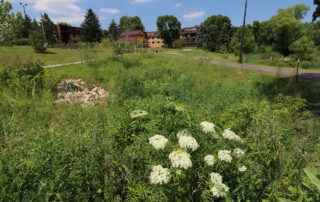
Rainscaping: Manage Rainwater Where it Falls with style!
Rainscaping is a term that emerged in 2008 describing a variety of practices that manage stormwater runoff in a sustainable and aesthetic way. Rainscaping is any combination of plantings, water features, catch basins, and other activities that manage stormwater as close as possible to where it falls, rather than moving it someplace else. [read more]

Naturescape Landscaping
Naturescape landscaping involves using simple techniques that mimic nature, such as using native plants, creating diversity, avoiding chemicals, and incorporating natural features. Naturescape landscaping can make your yard a safe and healthy place for children, pets, and wildlife, as well as save you time and money by reducing water, energy, and maintenance needs. [read more]
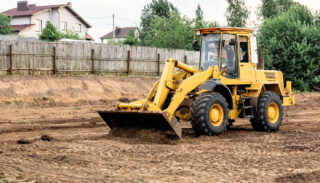
Landscape Grading & Excavating Contractor Services
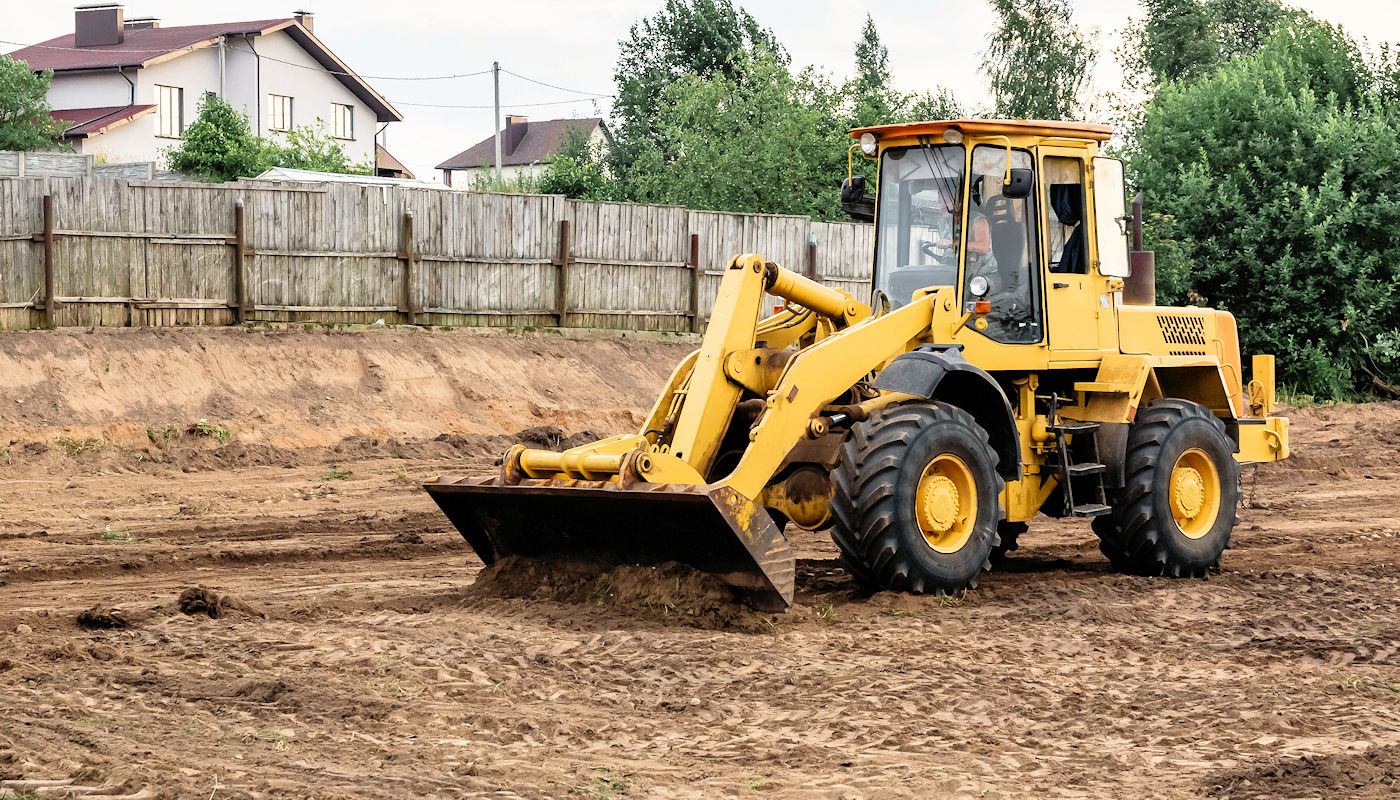
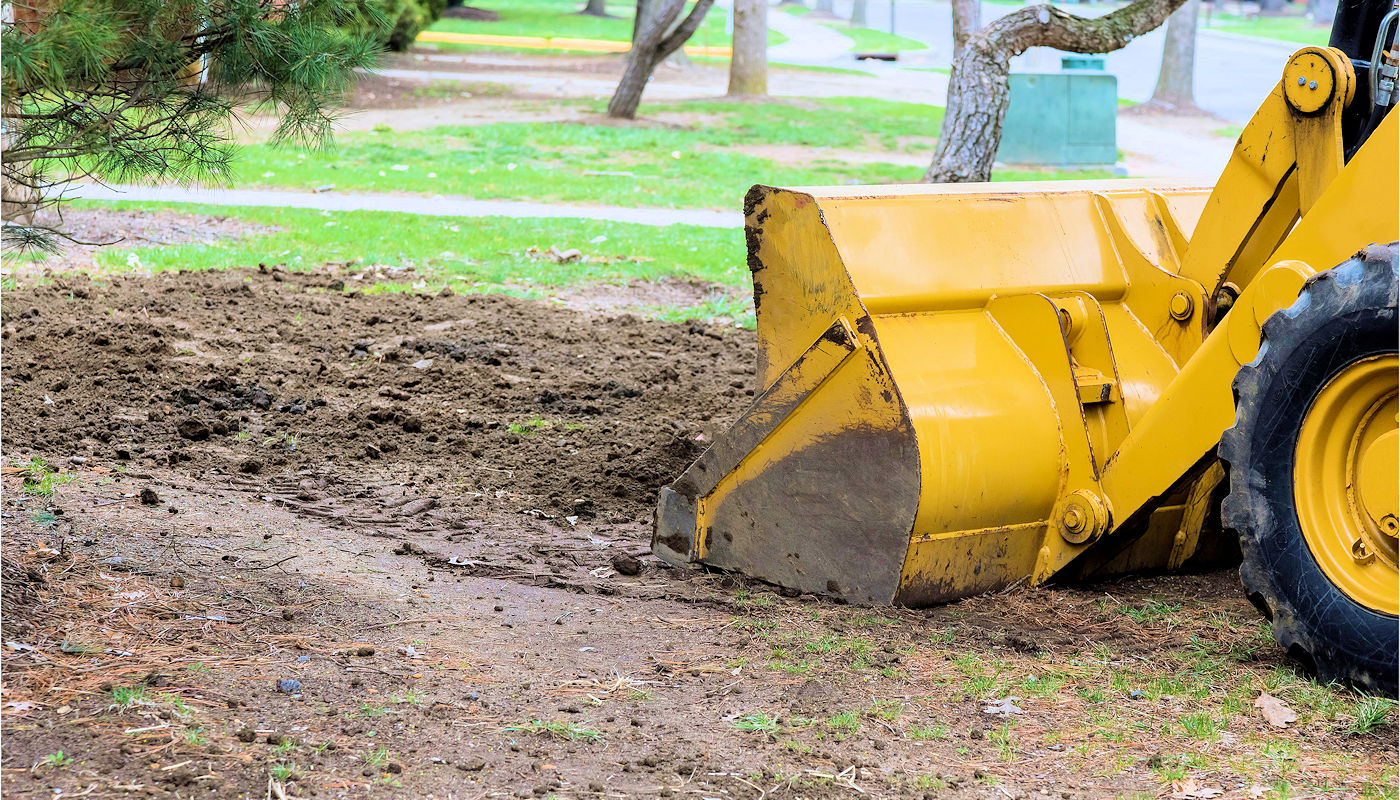
Texoma Excavation and Construction Company’s landscape grading and excavation services involve leveling or sloping the land around a property to improve its appearance, functionality, and drainage. Landscape grading can help prevent water damage, soil erosion, flooding, and other problems caused by poor drainage or uneven terrain. [read more]
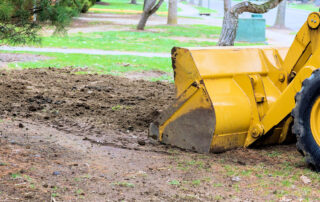
Drainage Solutions for Yard & Landscaping
If you’re experiencing poor drainage on your property, it’s important to address the issue promptly to prevent further damage and potential safety hazards. Texoma Excavation & Construction can help identify the root cause of your drainage problems and provide effective solutions to keep your property safe and well-maintained.
Erosion Control Related Topics:

Overgrazing: Farm & Ranch Soil Erosion
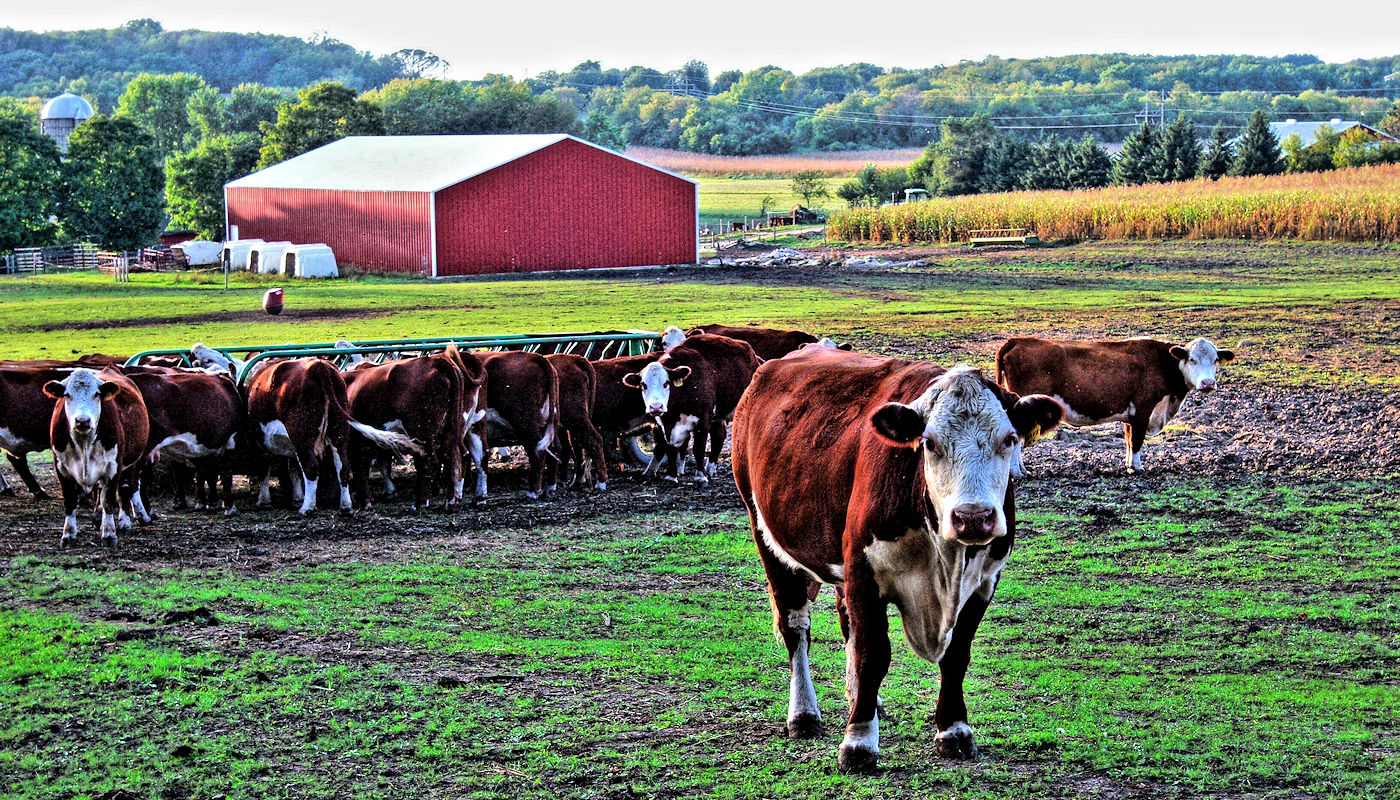
Overgrazing can lead to severe soil erosion and degradation on ranches and farms, impacting not only the land but also waterways and biodiversity. This soil erosion can be caused by grazing cattle, horses, & other livestock. When these animals graze, they can cause physical damage to the soil, especially when the soil is wet. [read more]
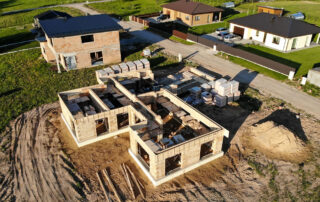
What is an Erosion & Sedimentation Control Plan?
An Erosion and Sediment Control Plan (ESCP) document describes the measures and practices to prevent or minimize soil erosion and sedimentation during construction activities. In Texas, this is required for construction projects disturbing one acre or more, or is part of a larger common development plan of one acre or more of land. [read more]
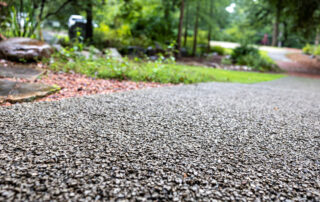
Use Permeable Pavements to Reduce Hardscape Stormwater Runoff
Permeable pavement materials are used in rainscaping for walking paths and other purposes such as driveways, parking areas, patios, tennis courts and even streets. Rainscaping refers to any combination of plantings, water features, catch basins, permeable pavements and other methods of managing stormwater as close as possible to where it falls, rather than moving it someplace else. [read more]
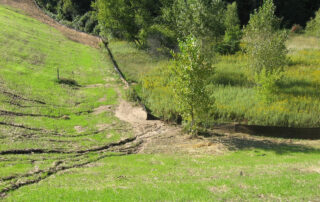
Soil Erosion Types & Solutions
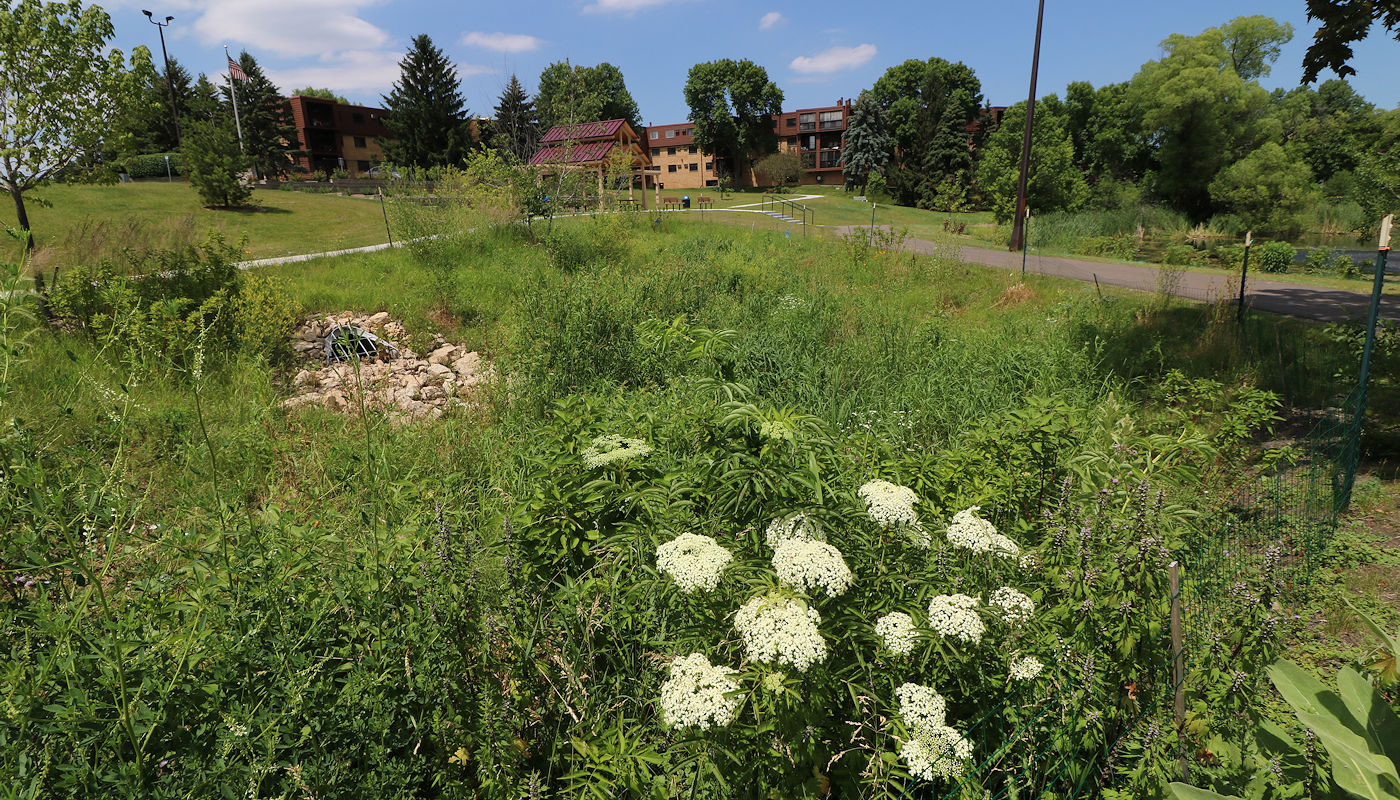
Soil erosion is the process by which soil is removed from the land surface by wind, water, or other geological agents. This discussion focuses on erosion caused by stormwater runoff. Various types of poor land management practices, including overgrazing, deforestation, overgrazing, intensive farming practices, and construction work, lead to avoidable soil erosion. [read more]
French Drain Systems
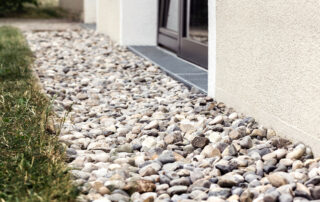
A French drain system (also known as a “subsurface drain”, a “weeping tile”, or a “rock drain”) is a trench filled with gravel or rock, with a perforated pipe embedded in the gravel at an angle so that gravity carries water away from the home. From what is visible, a French drain looks like a rock drainage ditch. When done well, it appears to be a nice hardscaping element. [read more]




811 Call Before You Dig Underground Utilities
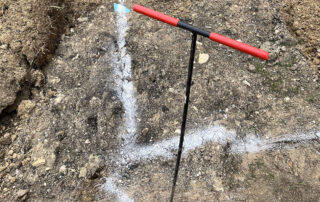
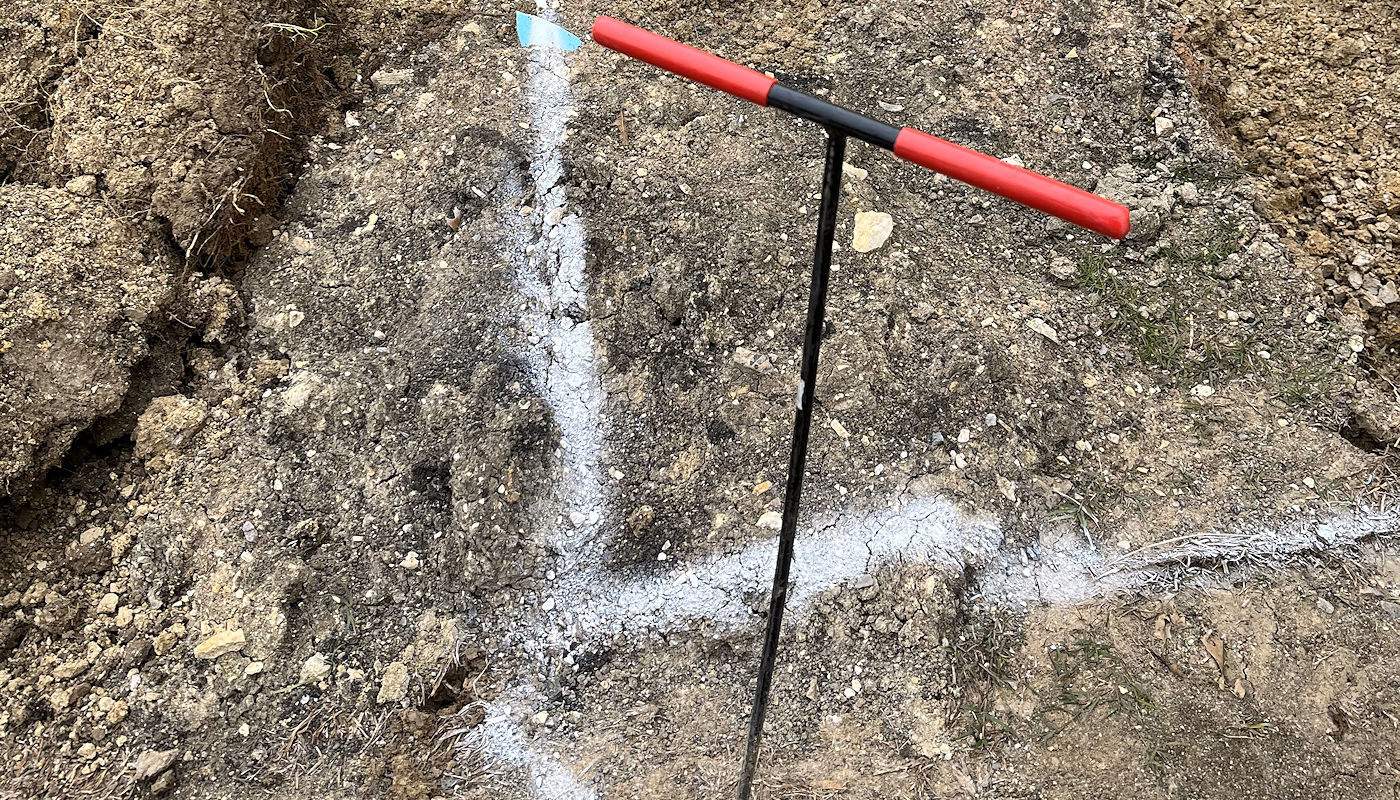
Call before you dig underground utilities for any type construction project. This is the law, and it's there to protect your property and any workers from hitting buried utilities. By calling 811, you can create a notification that will be sent to all the utility companies that are within your work area, instead of searching for multiple utility companies and notifying each one about your project. [read more]
Resources
Past Excavation Projects
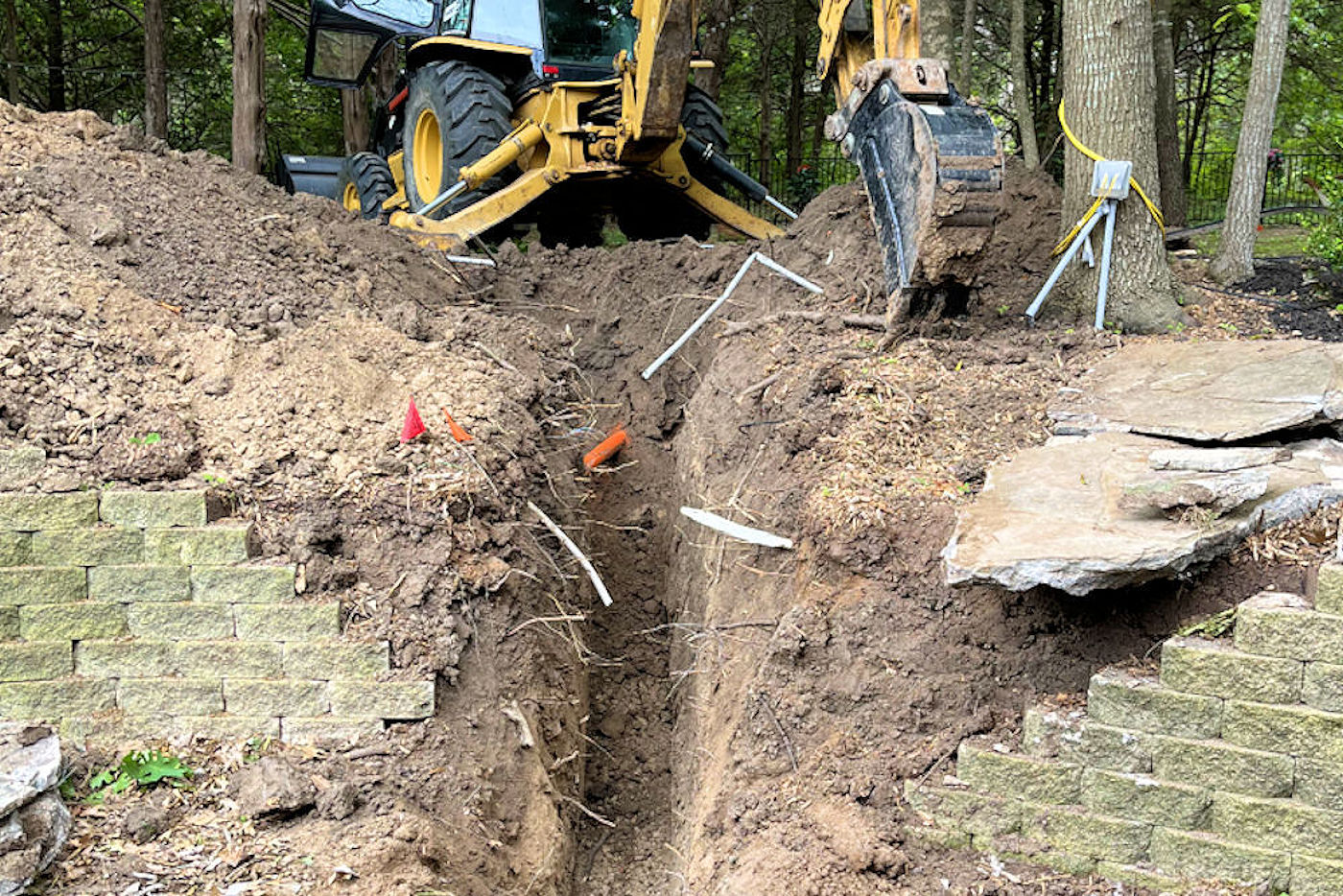
The above image shows Texoma Excavation & Construction digging a new power supply ditch and tying into the existing live power supply near Melissa, Texas. The paver stones were salvaged to be replaced. All the PVC, electrical conduit, phone lines, and small electrical lines that were destroyed were anticipated.

Pond building is a complex process that requires careful planning and execution. After all the planning, the first construction step is excavation of the area where the pond will be located. The pond excavation work shown above was near Montague, Texas. When this pond is full, it will be 7′ 2″ deep at its deepest point.
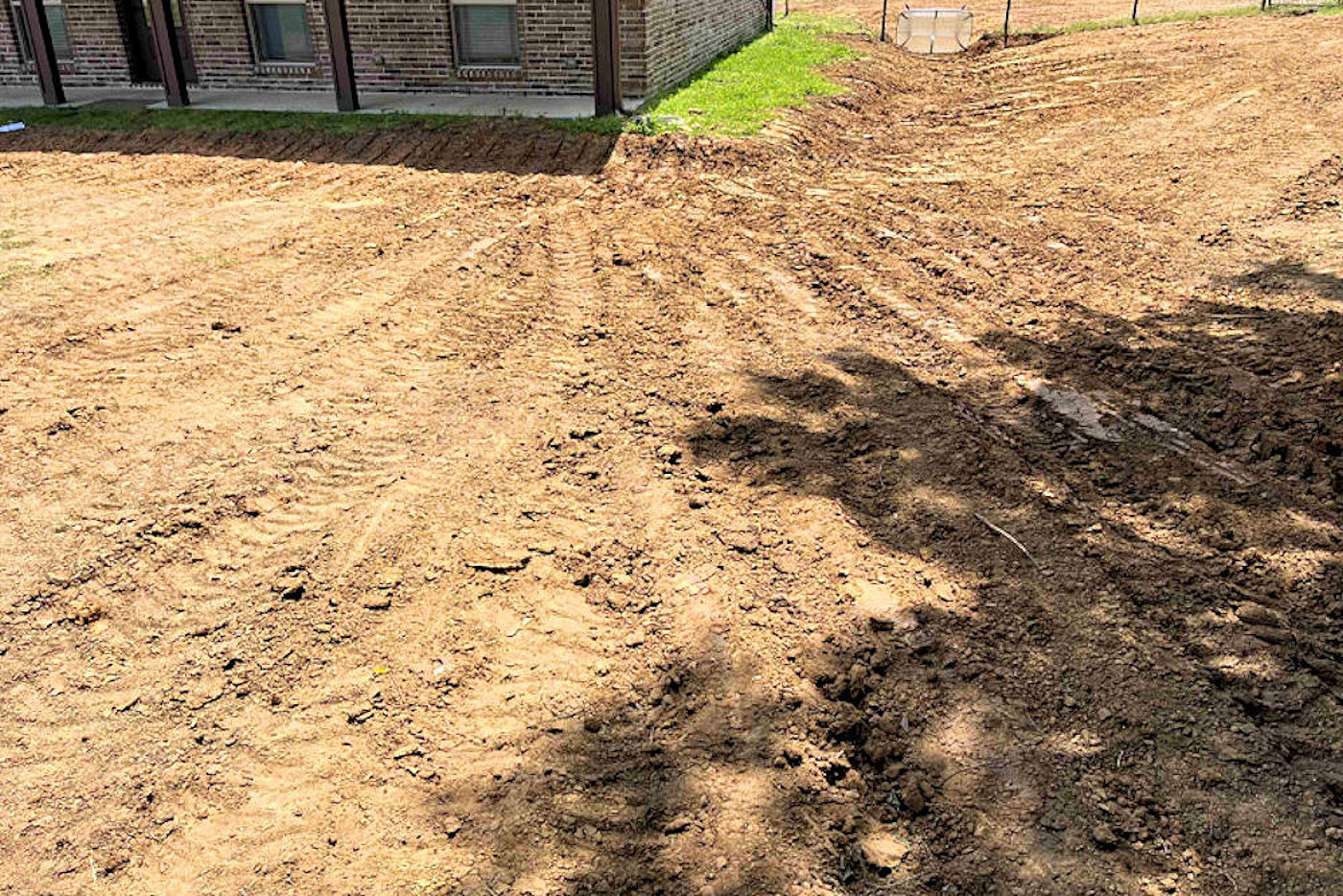
Residential drainage excavation work done near Denison, Texas. This client had some significant drainage problems during periods of high-volume runoff and tried to excavate a ditch to channel water away from his house. We were hired to polish the existing ditch and spread some grass seed.