Rainscaping: Manage Rainwater Where it Falls with style!
What is Rainscaping?
Rainscaping: Manage Rainwater Where it Falls with style!
What is Rainscaping?
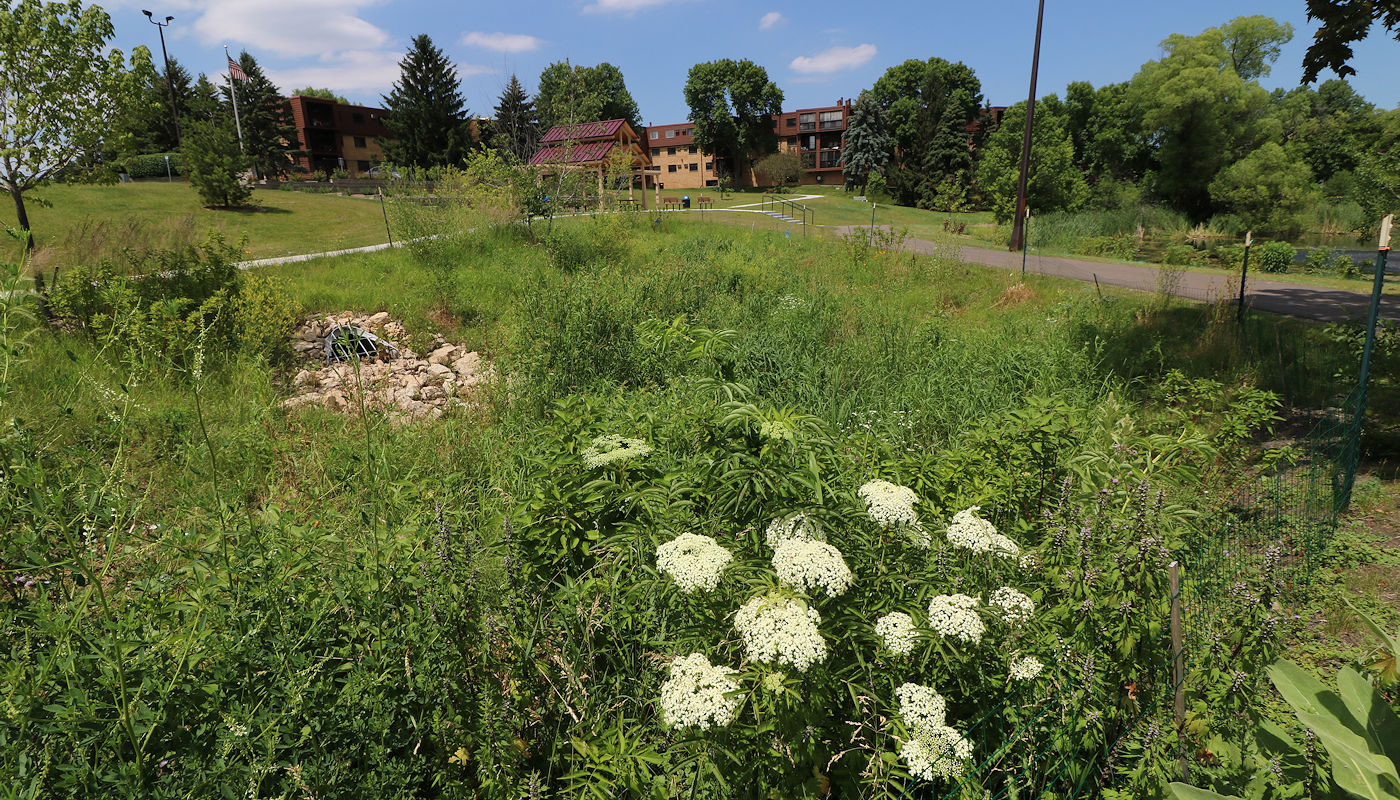
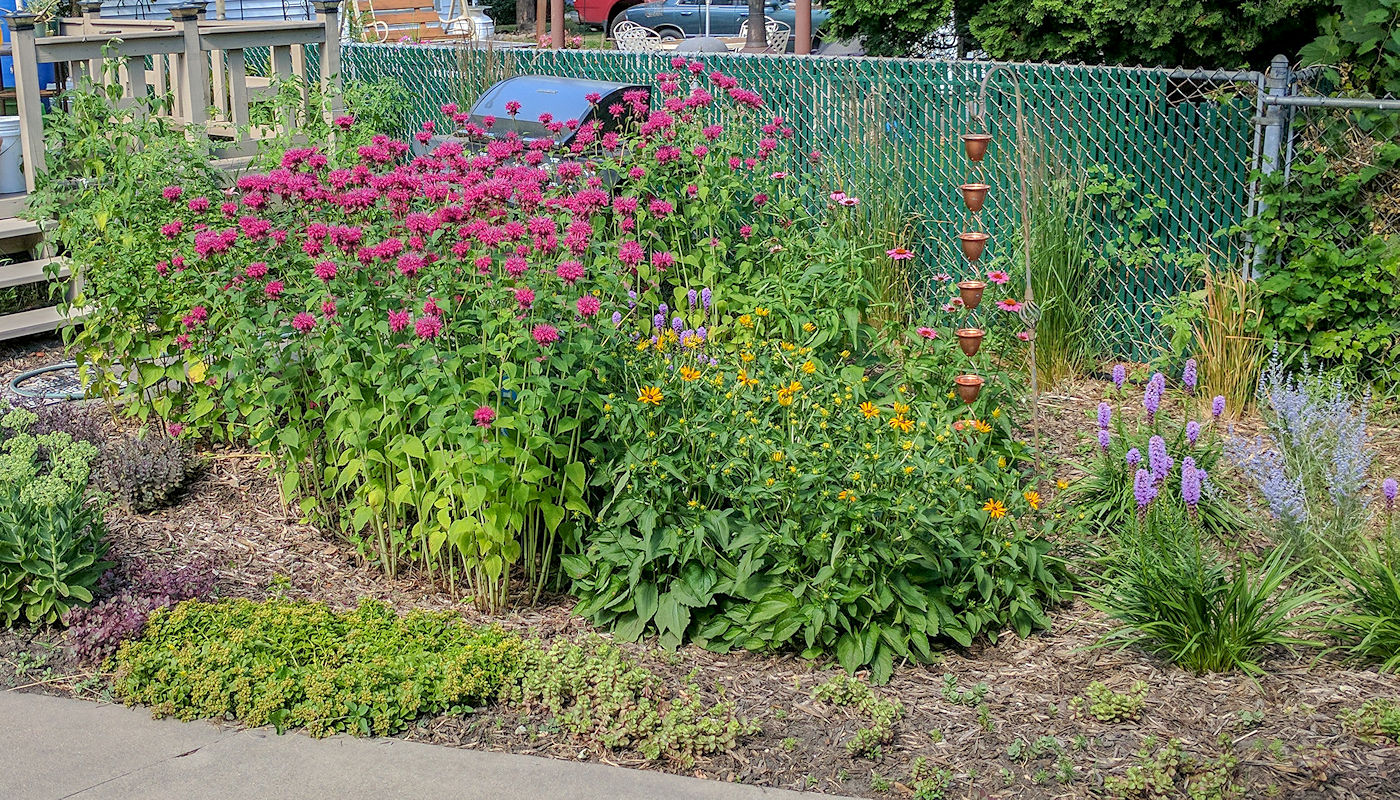
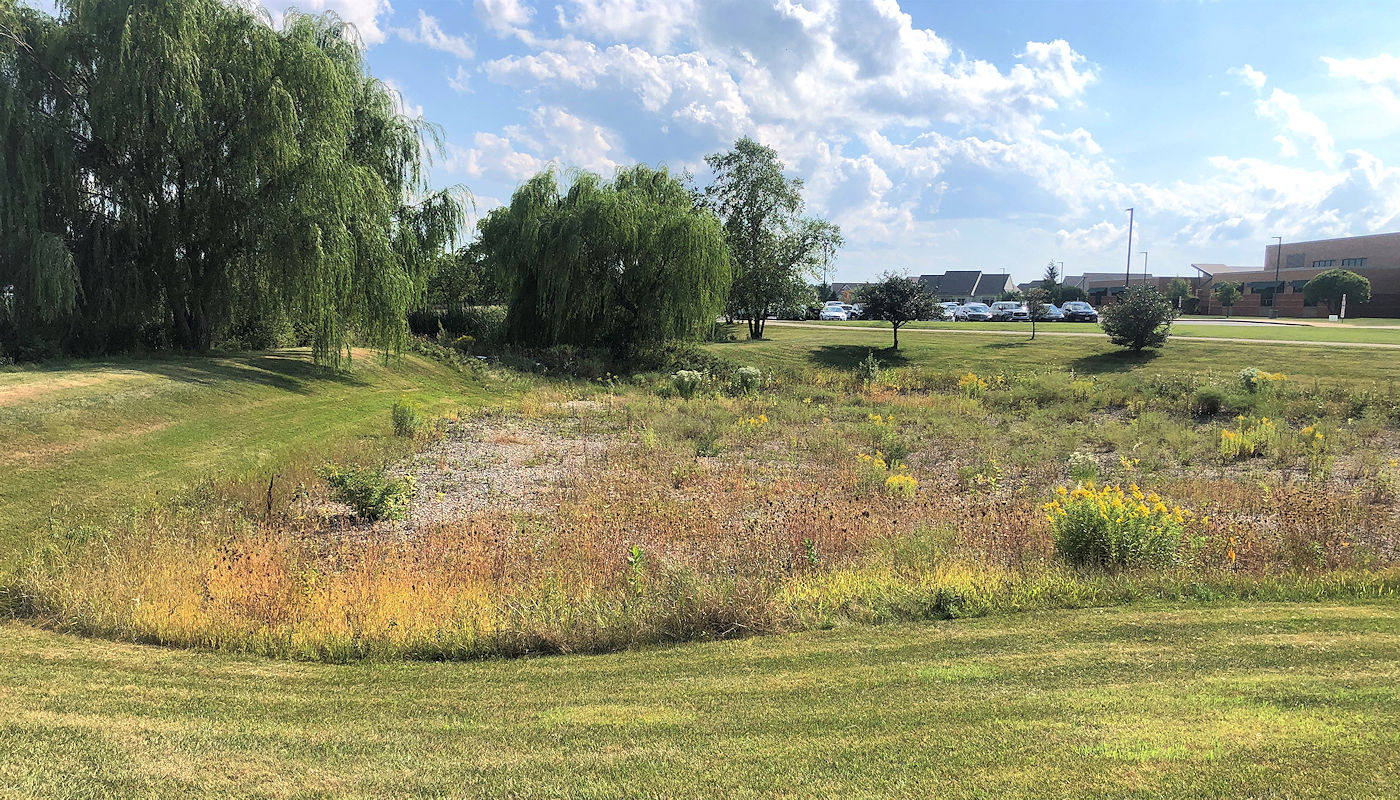
Rainscaping is a relatively new term that emerged in the 21st century to describe a variety of practices that manage stormwater runoff in a sustainable and aesthetic way. Rainscaping, as defined by Deer Creek Watershed Alliance, the organization that coined the term, is any combination of plantings, water features, catch basins, permeable pavement, and other activities that manage stormwater as close as possible to where it falls, rather than moving it someplace else. In addition to rain gardens and bioswales, a diverse landscape that includes trees, shrubs, perennials, mulch, and amended soils intercepts and disperses rain as it falls and allows more water absorption into the soil and by plants. [1]
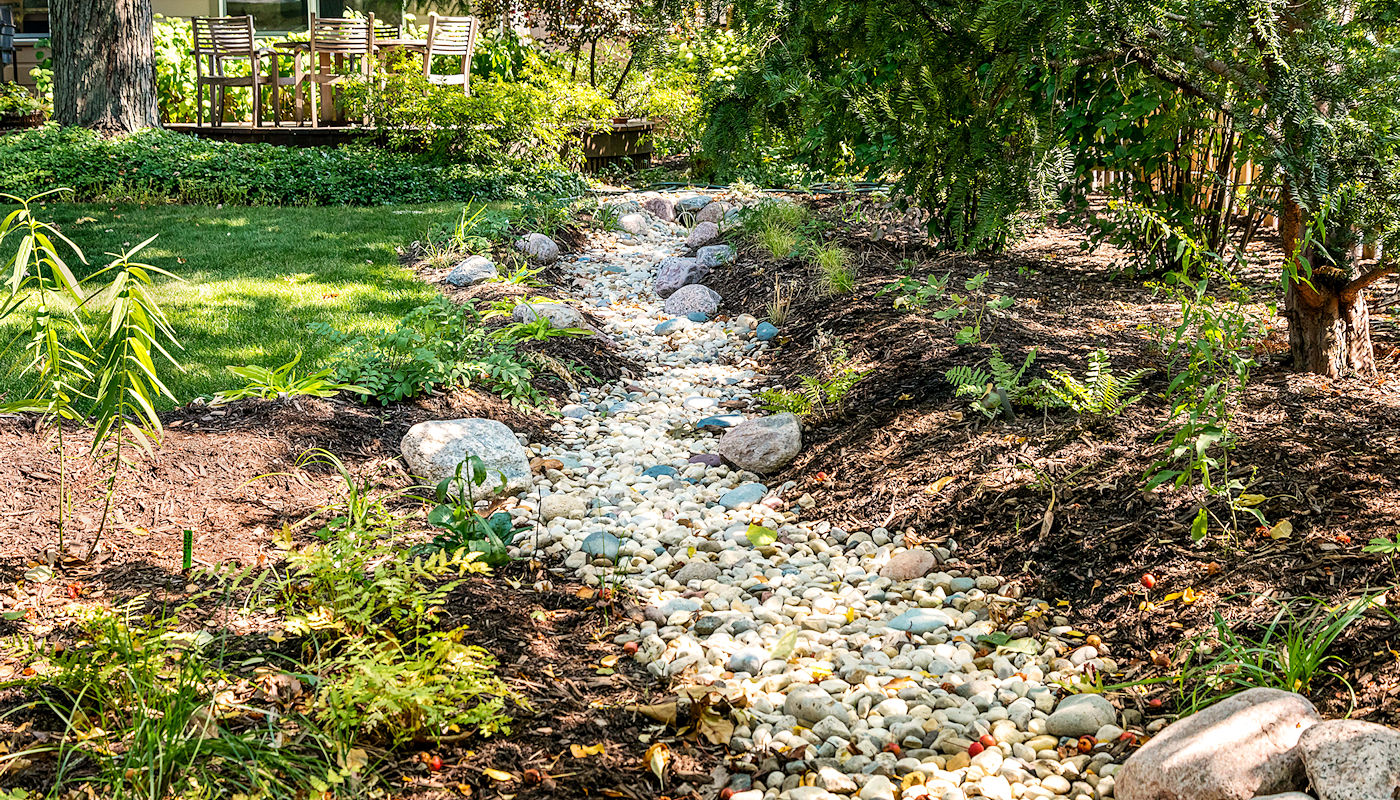
Rainscaping in a nutshell is any combination of plantings, water features, catch basins, permeable pavement, and other activities that manage stormwater as close as possible to where it falls, rather than moving it someplace else.
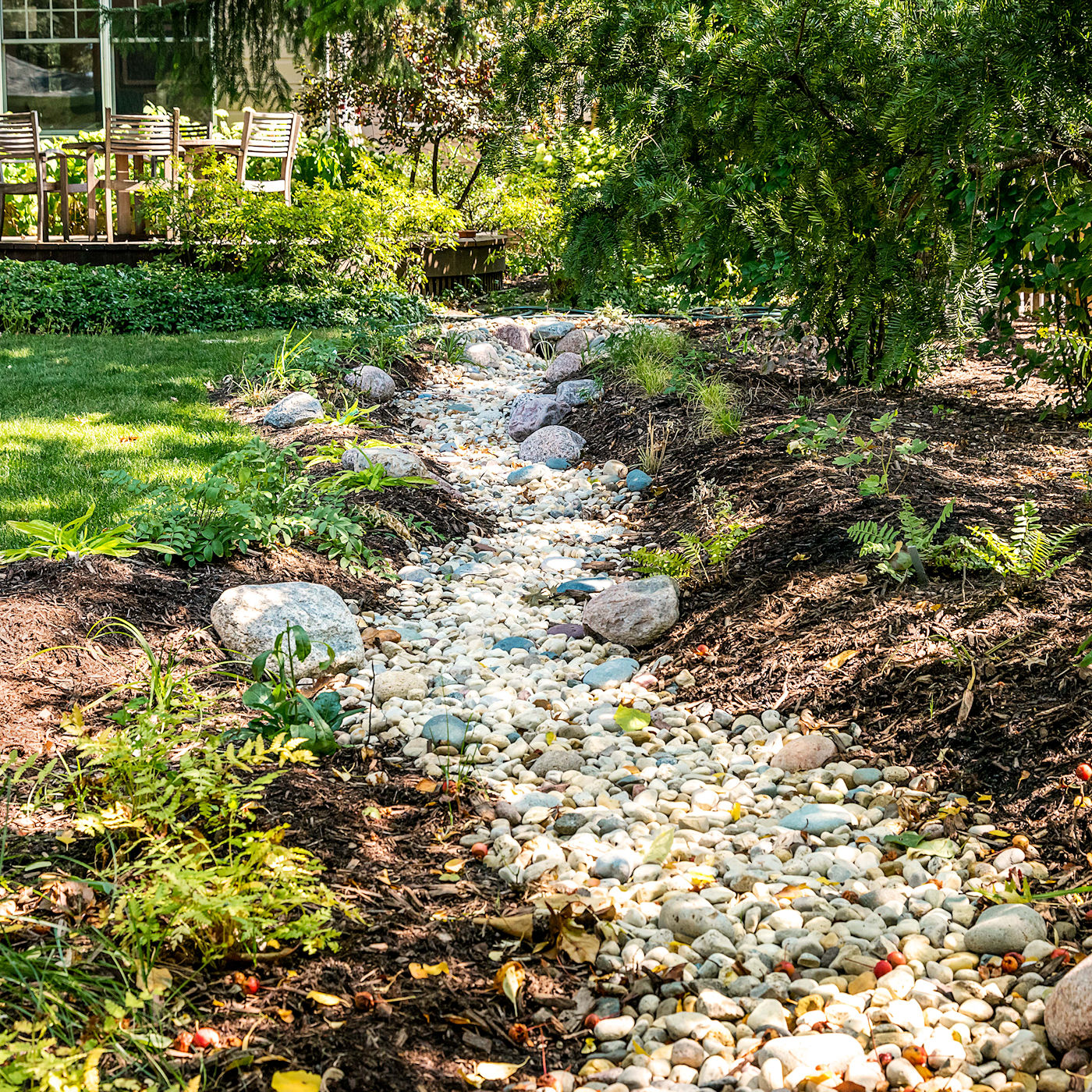
The concept of rainscaping is not new, however, as people have been using plants, soils, and water features to enhance their landscapes for centuries. One of the earliest examples of rainscaping can be traced back to the ancient Mesopotamians, who built elaborate gardens and irrigation systems to cope with the arid climate and frequent floods [2]. Another example is the Chinese garden, which incorporated water elements such as ponds, streams, waterfalls, and bridges to create a harmonious and natural environment [3].
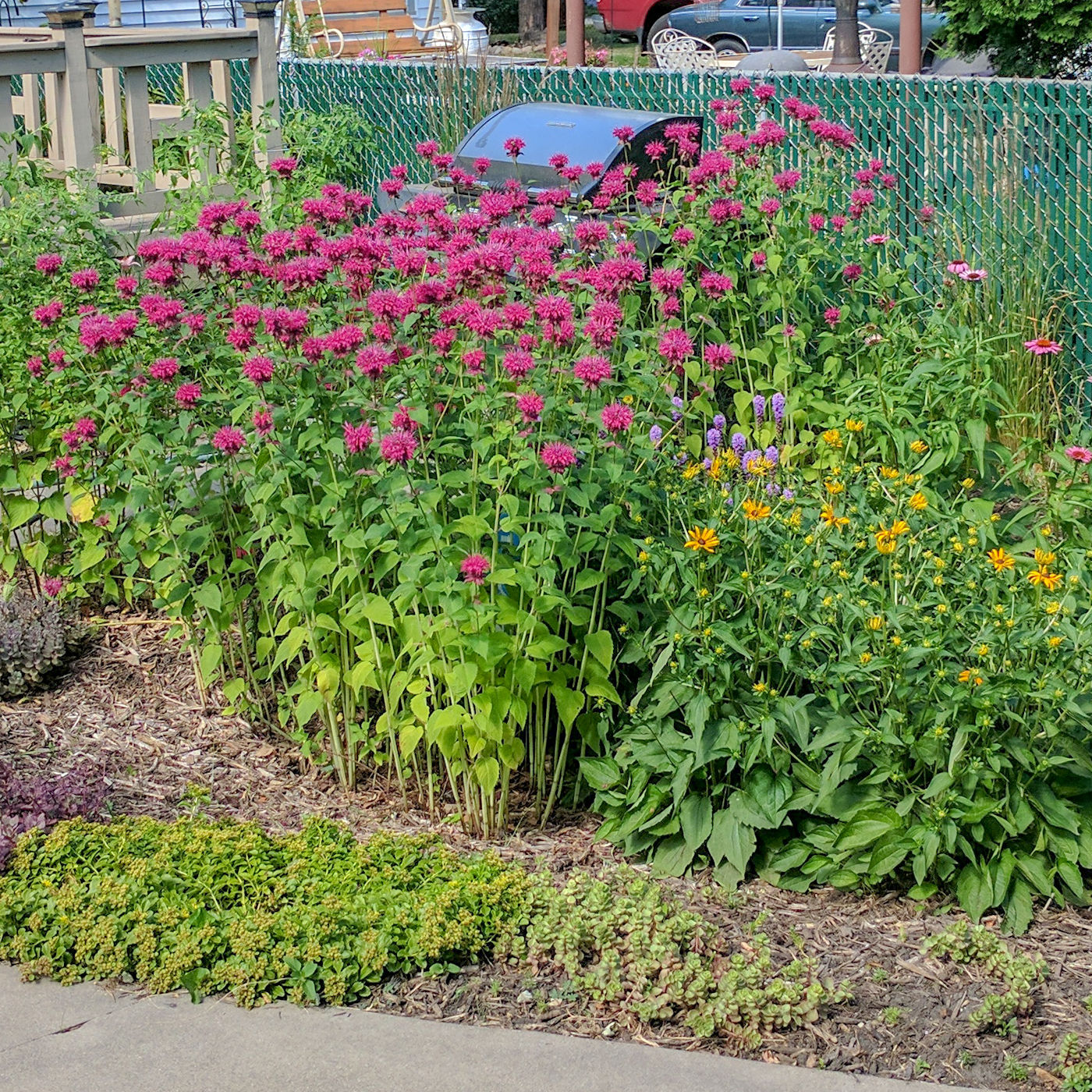
The Deer Creek Watershed Alliance, a non-profit organization based in St. Louis, Missouri, promotes watershed stewardship and education, and as mentioned above, created the term and defined its concept. In 2008, they launched a Rainscaping Guide to provide homeowners and professionals with information and resources on how to implement rainscaping practices in their own properties.
Since then, the term has been adopted by other organizations and agencies across the country and the world, such as the Metropolitan St. Louis Sewer District, the Iowa Department of Natural Resources, and the Royal Horticultural Society in the UK.
Rainscaping is a term that reflects the growing awareness and appreciation of the ecological and social benefits of managing stormwater runoff in a creative and responsible way. It is also a term that invites people to explore the possibilities and potential of their own outdoor spaces, and to create landscapes that are both functional and beautiful.
Cities with Rainscaping & Other Stormwater Control Programs
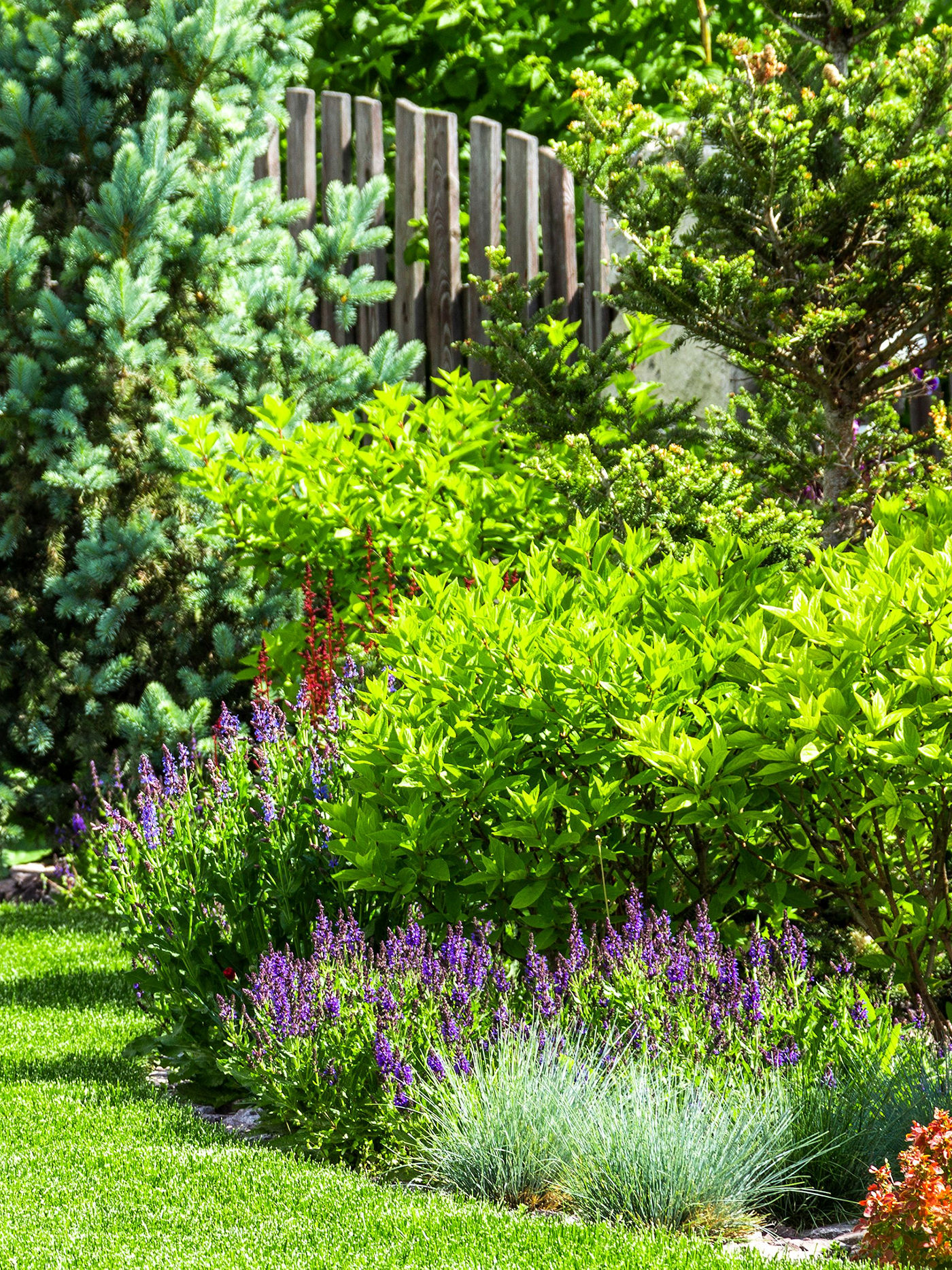
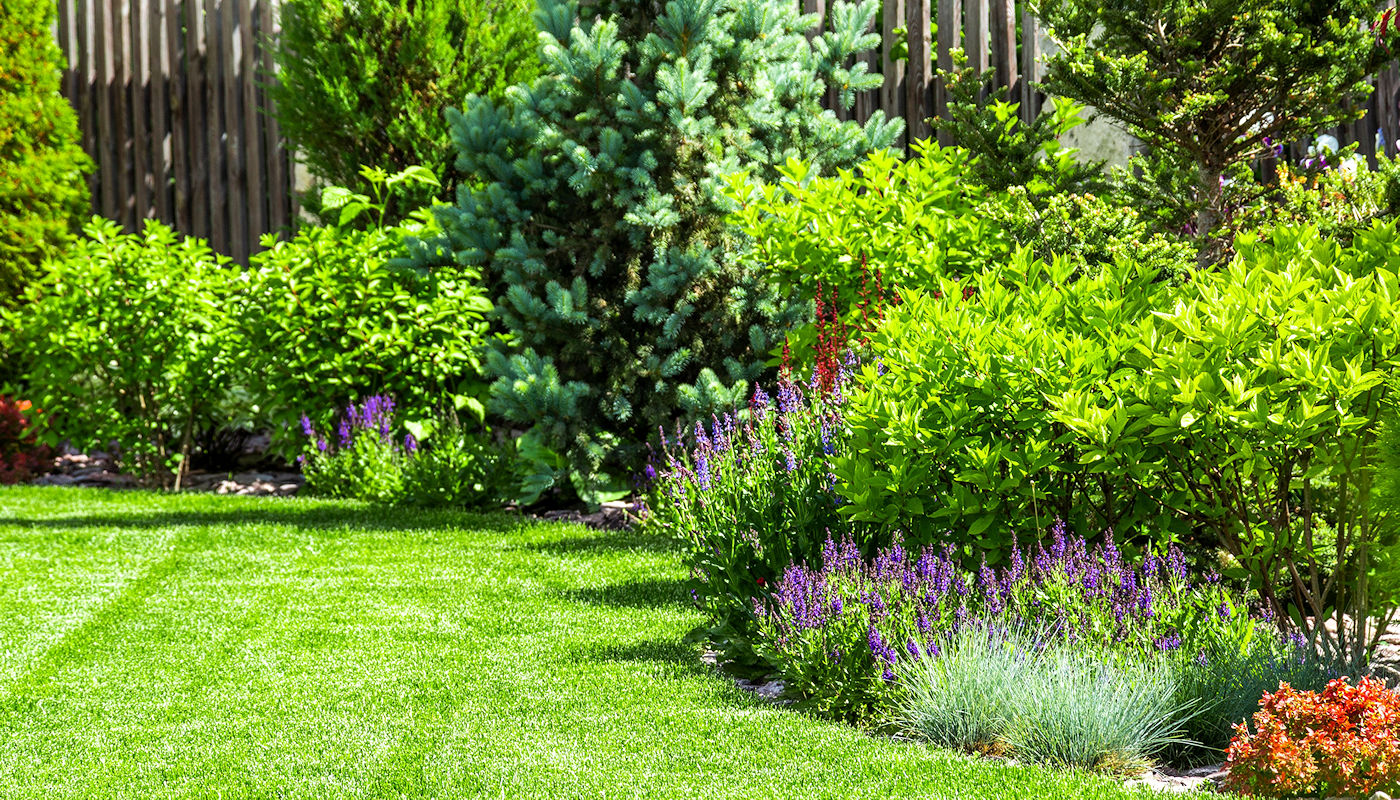
Many cities, towns, counties, and states across the country have rainscaping and other related programs to add rain gardens and other methods of treating the stormwater runoff naturally while adding aesthetically to the surroundings. Do a web search to learn of any similar programs in your area. These include:
Metropolitan St Louis Project Clear: The Metropolitan St. Louis Sewer District has a rainscaping program that includes grant opportunities for installing rainscaping features.
Montgomery County Maryland: Their RainScapes Rewards Rebate Program offers rebates to property owners who install RainScapes techniques such as rain gardens, rain barrels, conservation landscaping and other approved projects that help control stormwater. This program is open to properties in Montgomery County outside the municipalities of Rockville , Gaithersburg , and Takoma Park.
Des Moines Metro Rain Campaign: Cities across the Des Moines Metro have created funding assistance programs for installing rainscaping practices to inspire residents, businesses, and municipalities to be part of the solution towards managing stormwater runoff in a better way.
Johnson County Kansas Contain the Rain: Includes rebates for rain gardens/native plant gardens in these participating cities: De Soto, Gardner, Fairway, Lake Quivira, Leawood, Lenexa, Merriam, Mission, Mission Hills, Mission Woods, Olathe, Overland Park, Prairie Village, Roeland Park, Shawnee, Unincorporated Johnson County, Westwood, and Westwood Hills.
Purdue Rainscaping Education Program: The Purdue Rainscaping Education Program offers state-wide training for Purdue Extension Master Gardeners, conservation agencies and organizations, stormwater professionals, and landscape companies and consultants.
Naturescaping & Rainscaping Solutions:
Drainage Solutions for Yard & Landscaping
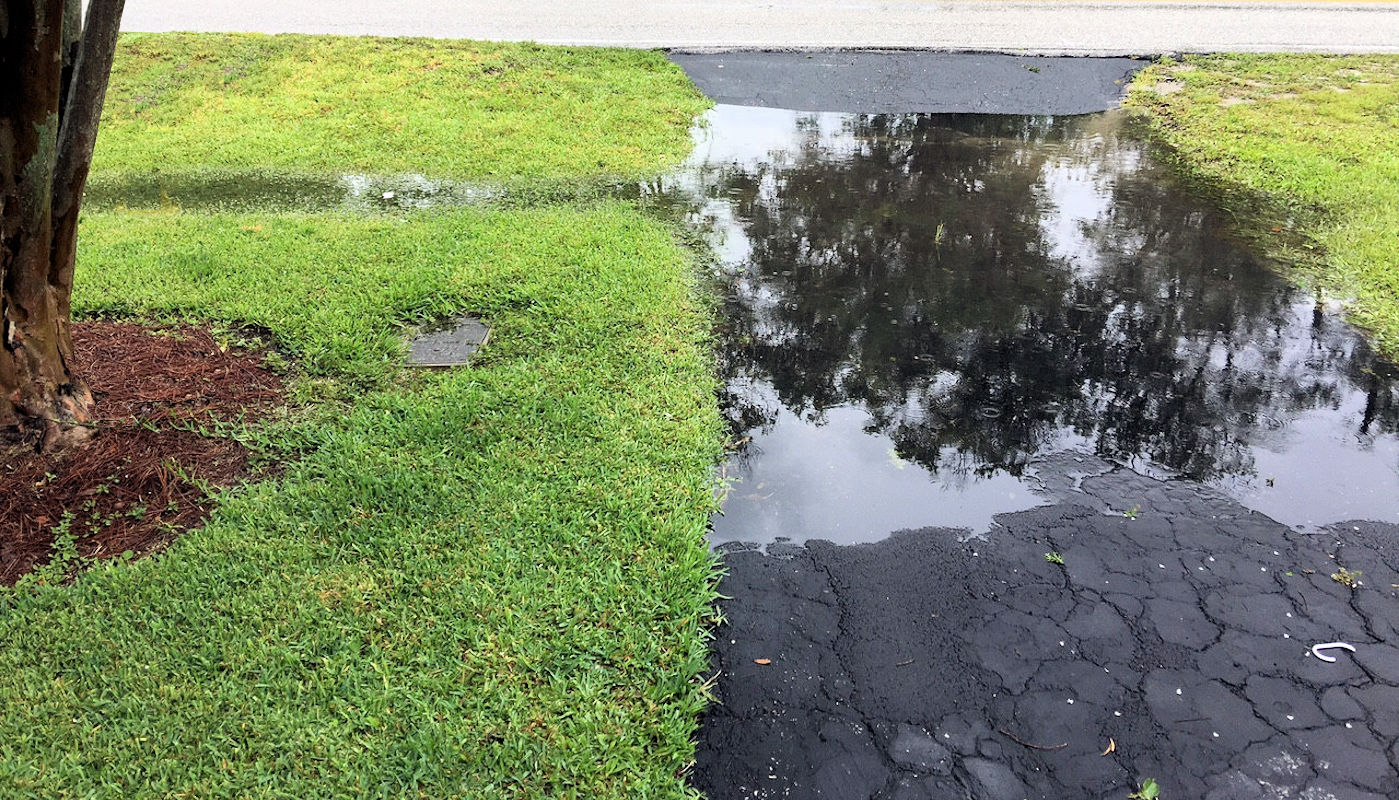
If you’re experiencing poor drainage on your property, it’s important to address the issue promptly to prevent further damage and potential safety hazards. Texoma Excavation & Construction can help identify the root cause of your drainage problems and provide effective solutions to keep your property safe and well-maintained.

Erosion Management & Control Contractor
Texoma Excavation & Construction is an excavation company and erosion control contractor specializing in soil erosion management. We design, implement, and maintain residential, commercial, and construction site erosion control plans. We use a variety of techniques to prevent soil erosion, including vegetation, retaining walls, and a variety of drainage systems for the job. [read more]

Gravel Roads, Drives & Driveways Contractor
TEC specializes in building gravel and road base private roads, drives, driveways, & parking areas that are both durable and reliable, tailored to meet your specific needs. Our comprehensive approach ensures that every aspect of your project is meticulously planned and executed, from initial surveying to post-project maintenance. [read more]
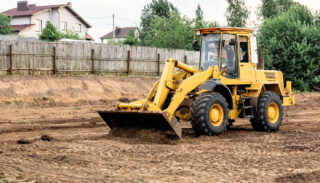
Landscape Grading & Excavating Contractor Services
Texoma Excavation and Construction Company’s landscape grading and excavation services involve leveling or sloping the land around a property to improve its appearance, functionality, and drainage. Landscape grading can help prevent water damage, soil erosion, flooding, and other problems caused by poor drainage or uneven terrain. [read more]

Naturescape Landscaping
Naturescape landscaping involves using simple techniques that mimic nature, such as using native plants, creating diversity, avoiding chemicals, and incorporating natural features. Naturescape landscaping can make your yard a safe and healthy place for children, pets, and wildlife, as well as save you time and money by reducing water, energy, and maintenance needs. [read more]
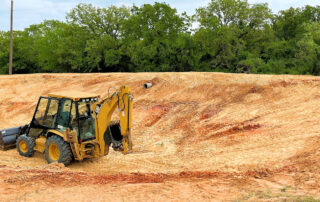
Pond Building Contractor
Pond Building Solutions from Texoma Excavation & Construction: There are many reasons why you may consider adding an excavated pond to your property. You may want to enhance the beauty and value of the property as a pond can create a focal point in the outdoor space, adding to its overall appeal and marketability. [read more]
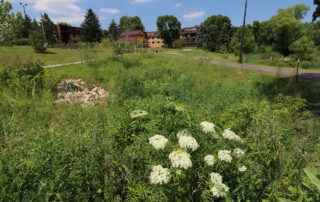
Rainscaping: Manage Rainwater Where it Falls with style!
Rainscaping is a term that emerged in 2008 describing a variety of practices that manage stormwater runoff in a sustainable and aesthetic way. Rainscaping is any combination of plantings, water features, catch basins, and other activities that manage stormwater as close as possible to where it falls, rather than moving it someplace else. [read more]
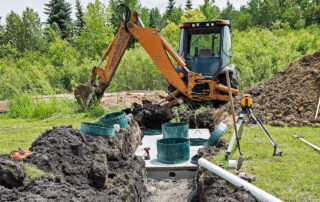
Septic System & Septic Tank Installation & Replacement
When it comes to maintaining healthy and efficient septic tanks and septic systems, selecting a company for professional septic tank installation and replacement services is crucial. Proper installation and replacement of septic tanks or entire septic systems ensure the efficient and safe disposal of wastewater, preventing potential health hazards and environmental contamination. [read more]
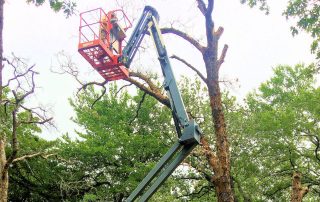
Tree and Branch Clearing and Removal Services
Specializing in comprehensive tree and branch clearing and removal services tailored for the unique needs of residential, commercial, ranch, and farming properties. Our expert team is dedicated to enhancing the safety, aesthetics, and functionality of your land through professional tree trimming, removal, stump grinding, and storm damage cleanup. [read more]
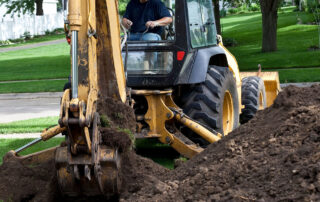
Trench Digging Services
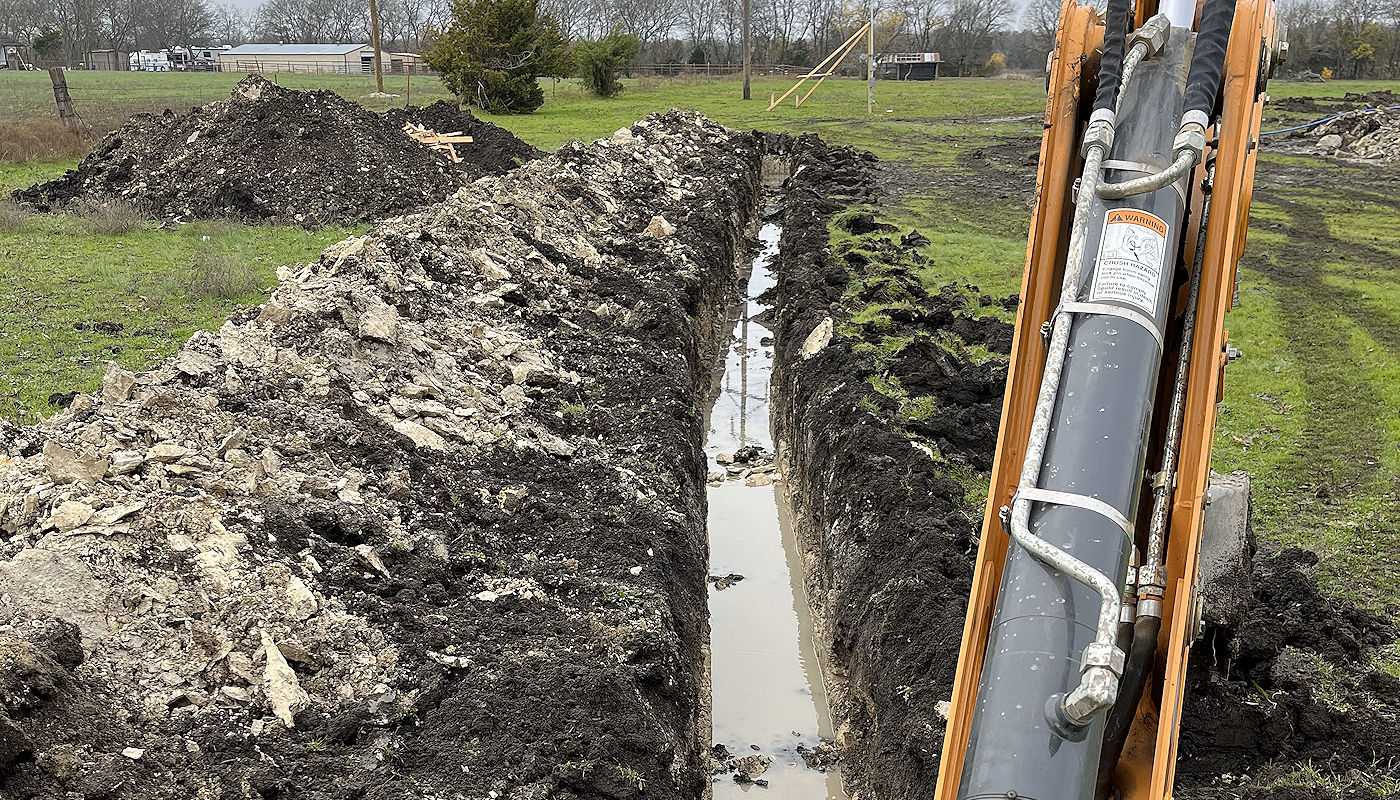
Trench Digging Services Open Cut Trenching for Water, Sewer & Gas Utilities Trench Digging Services Open Cut Trenching for Water, Sewer & Gas Utilities Looking for reliable trench digging services in the Texoma region? Texoma Excavation & Construction (TEC) offers expert trenching solutions for all your utility installation needs.[read more]
Naturescaping & Rainscaping Related Topics:
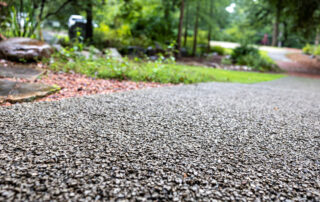
Use Permeable Pavements to Reduce Hardscape Stormwater Runoff
Permeable pavement materials are used in rainscaping for walking paths and other purposes such as driveways, parking areas, patios, tennis courts and even streets. Rainscaping refers to any combination of plantings, water features, catch basins, permeable pavements and other methods of managing stormwater as close as possible to where it falls, rather than moving it someplace else. [read more]
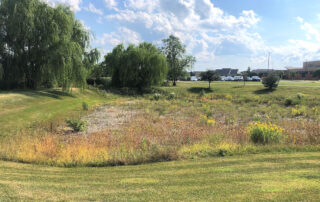
Dry Detention Basins for Stormwater Control
A dry detention basin manages stormwater by temporarily storing runoff from rain events, releasing it slowly, preventing downstream flooding and erosion. A dry detention basin does not have a permanent pool of water, unlike a stormwater retaining pond, which is designed to hold water for longer periods and provide some water quality benefits. [read more]
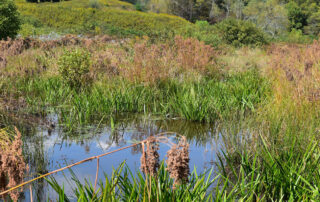
Constructed Stormwater Wetland
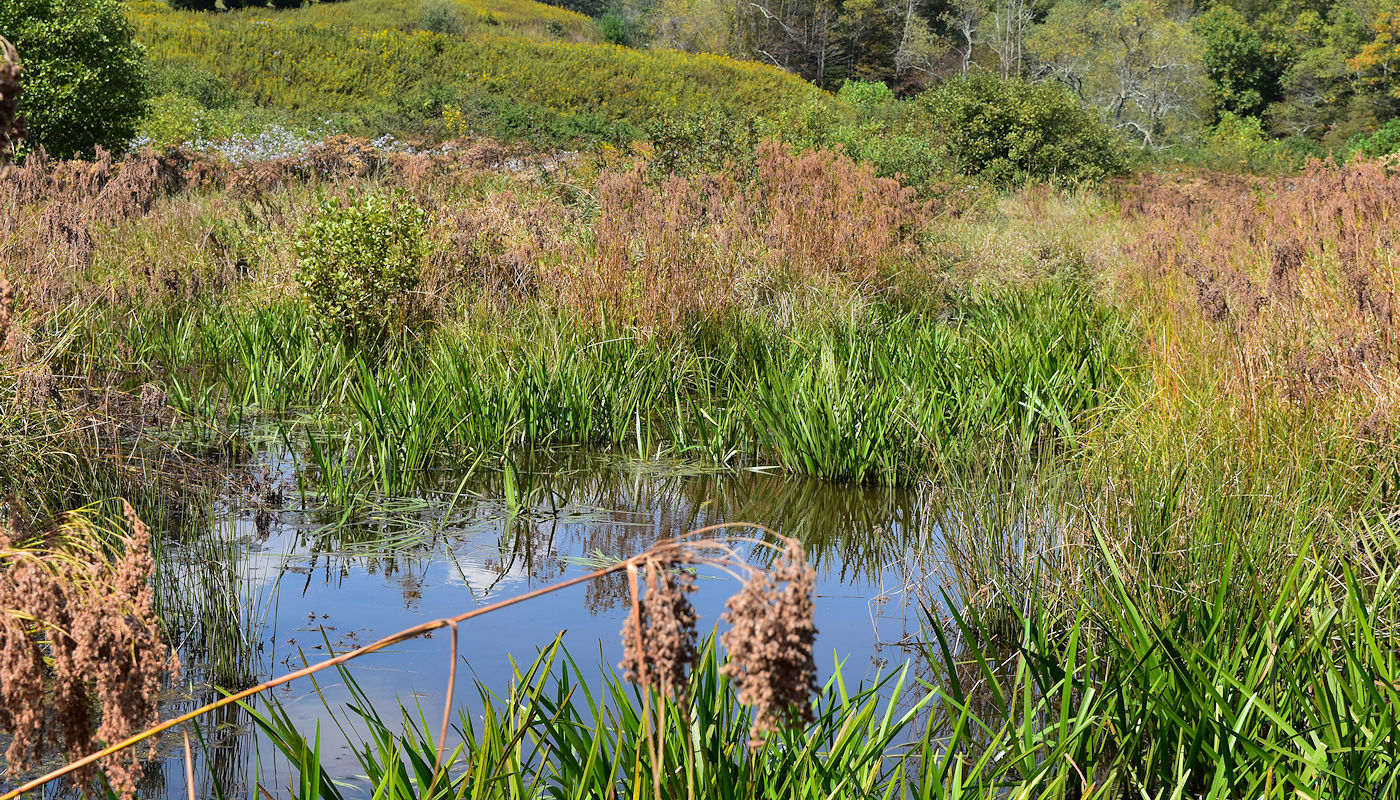
A constructed stormwater wetland is a type of stormwater management practice that mimics the functions of natural wetlands. It collects, stores, and treats stormwater runoff using physical, chemical, and biological processes. Stormwater wetlands can help reduce peak flows, improve water quality, and provide habitat for wildlife. read more
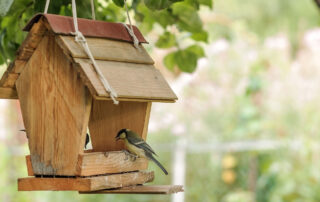
Using Animal Feeders to Attract & Sustain Wildlife in Your Naturescape
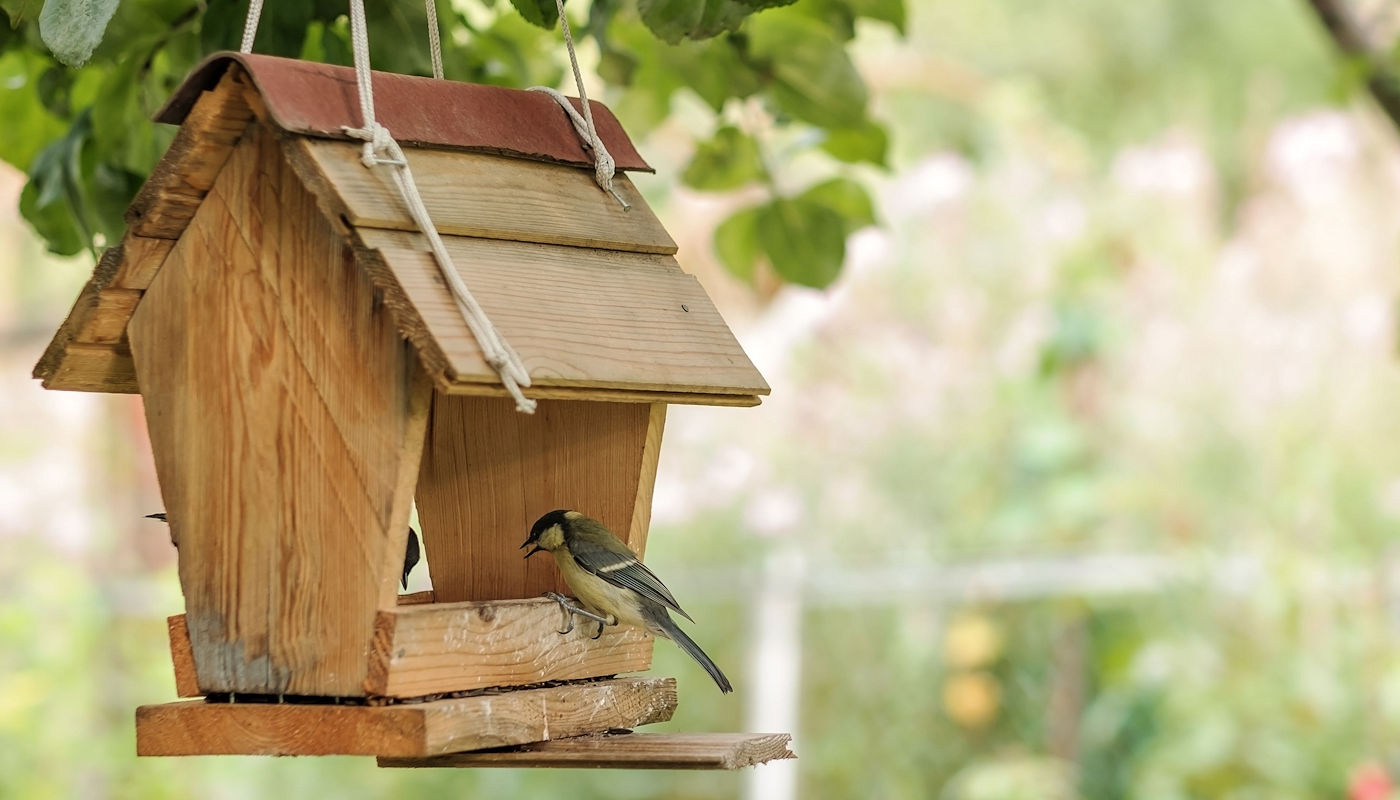
Depending on the type and location of your feeders, you can attract a range of animals, reptiles, and insects to your backyard. These include: animals such as deer, opossums &weasels; Reptiles such as snakes, lizards, and turtles; Insects such as butterflies and bees may be attracted to feeders providing nectar, pollen, or fruit. [read more]
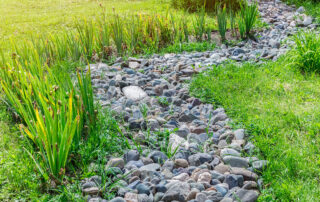
Dry Creek Bed Landscaping for Drainage
A dry creek bed with rocks is an effective solution to certain drainage issues. A dry creek bed is a decorative landscaping feature that mimics the look of a natural creek or riverbed, but without the water. It is designed to channel water from a particular area, directing it to a designated drainage point. Dry stream beds, dry riverbeds, dry swales, are also names for dry creek beds. [read more]
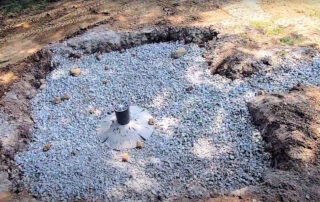
Dry Well Drainage Systems
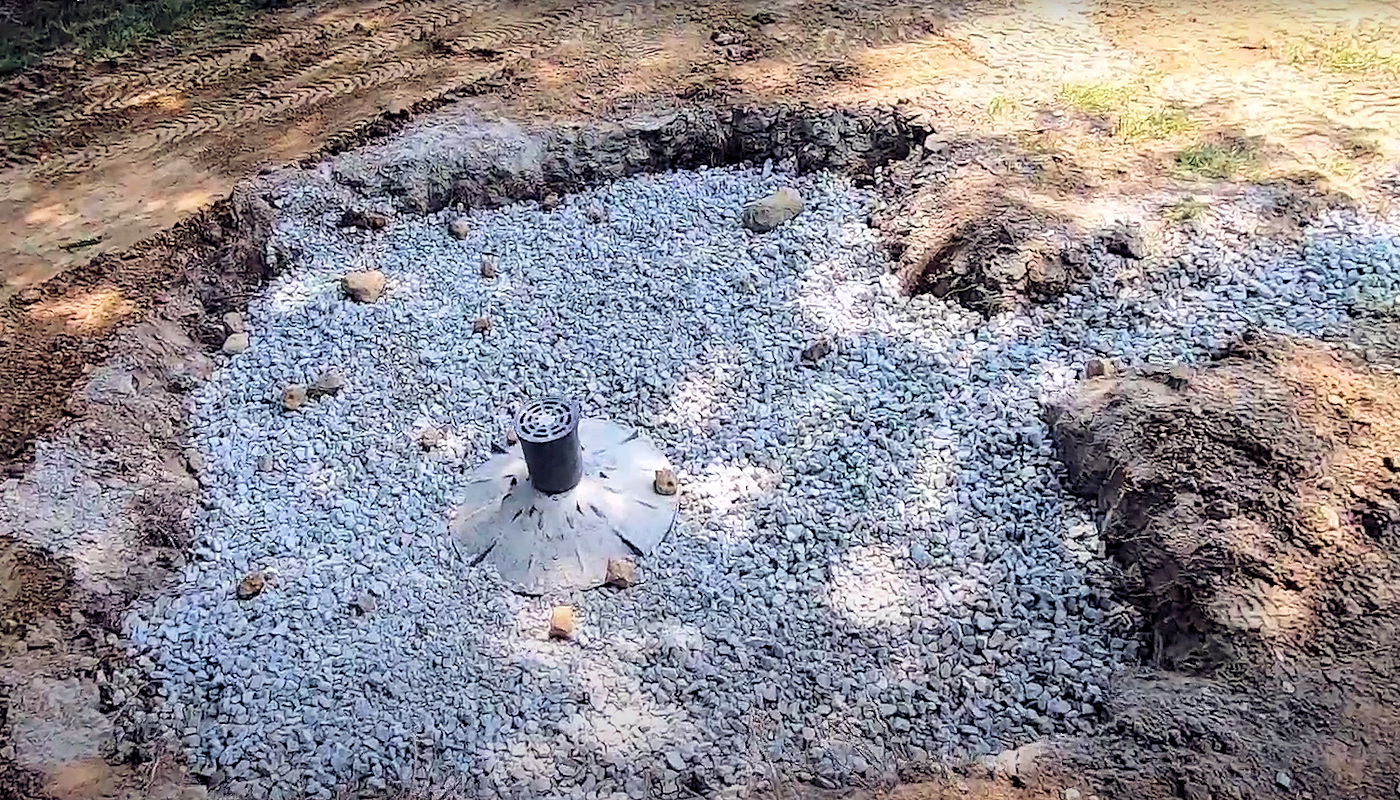
A dry well is a hole in the ground that is filled with gravel and surrounded by landscape fabric. The purpose of a dry well drainage system is to dispose of unwanted water, such as surface runoff, stormwater, or greywater, by dispersing it into the ground. Installing a dry well is one of the best methods employed to drain excess stormwater from your yard. [read more]
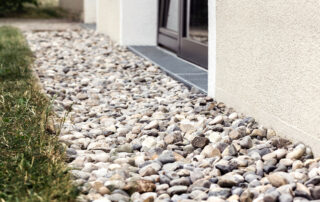
French Drain Systems
A French drain system (also known as a “subsurface drain”, a “weeping tile”, or a “rock drain”) is a trench filled with gravel or rock, with a perforated pipe embedded in the gravel at an angle so that gravity carries water away from the home. From what is visible, a French drain looks like a rock drainage ditch. When done well, it appears to be a nice hardscaping element. [read more]
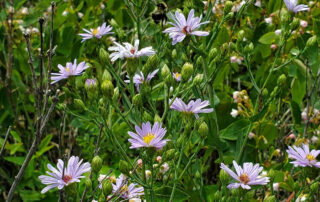
Rain Garden Plants That Thrive in Texas & Oklahoma
Rain gardens are a type of landscaped garden site designed to capture and absorb stormwater flowing away from your house or some other area of your residential or commercial property. Rain gardens are a very practical way to address many drainage issues with the added benefit of being an attractive landscaping feature. [read more]
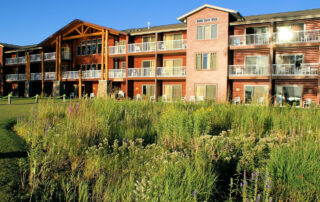
Add a Rain Garden for Drainage Control & Landscaping Beauty
A rain garden is a type of landscaped garden site designed to capture and absorb stormwater flowing away from your house or some other area of your residential or commercial property that will benefit from this drainage method. Rain gardens are a very practical way to address many drainage issues with the added benefit of being an attractive landscaping features. [read more]
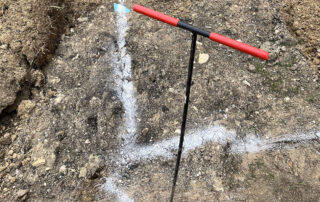








811 Call Before You Dig Underground Utilities
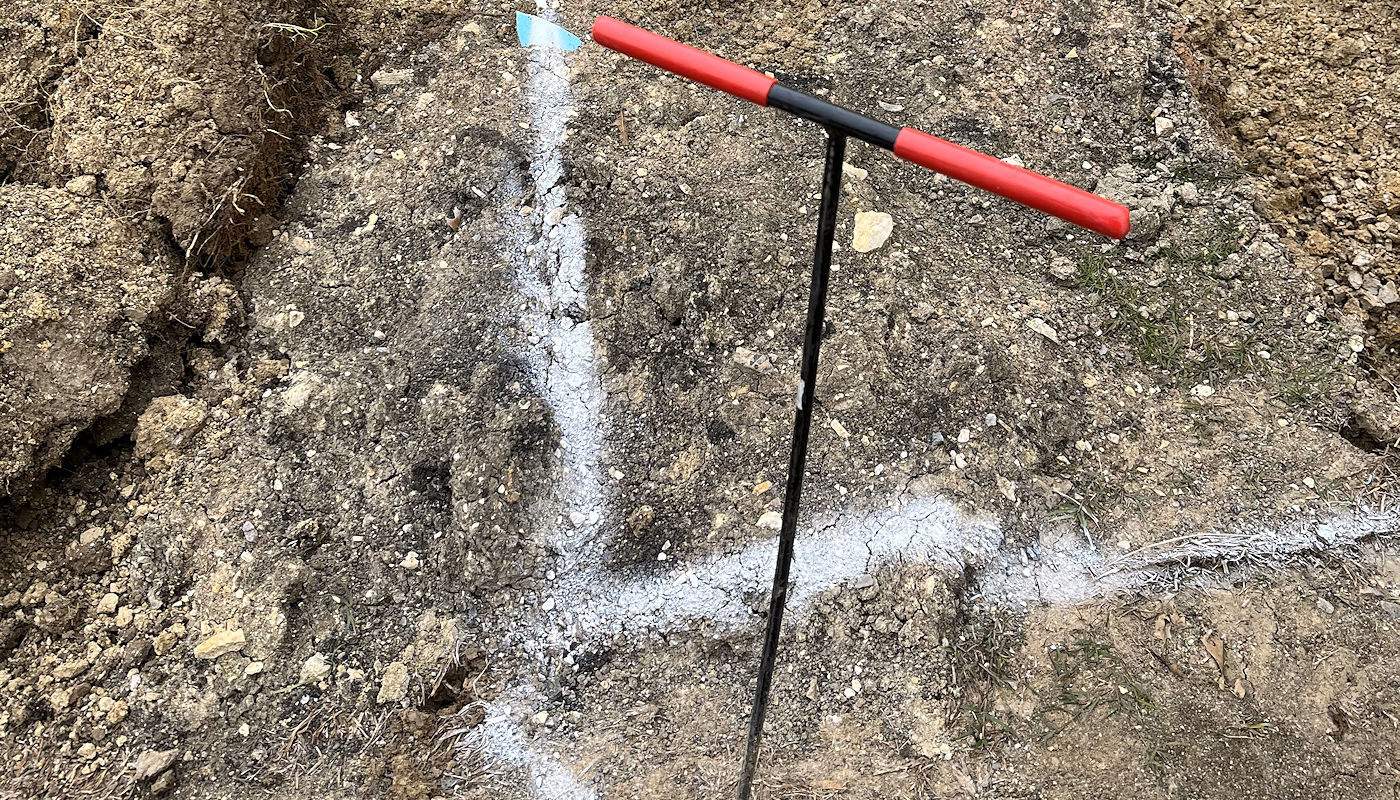
Call before you dig underground utilities for any type construction project. This is the law, and it's there to protect your property and any workers from hitting buried utilities. By calling 811, you can create a notification that will be sent to all the utility companies that are within your work area, instead of searching for multiple utility companies and notifying each one about your project. [read more]
Resources
Past Excavation Projects
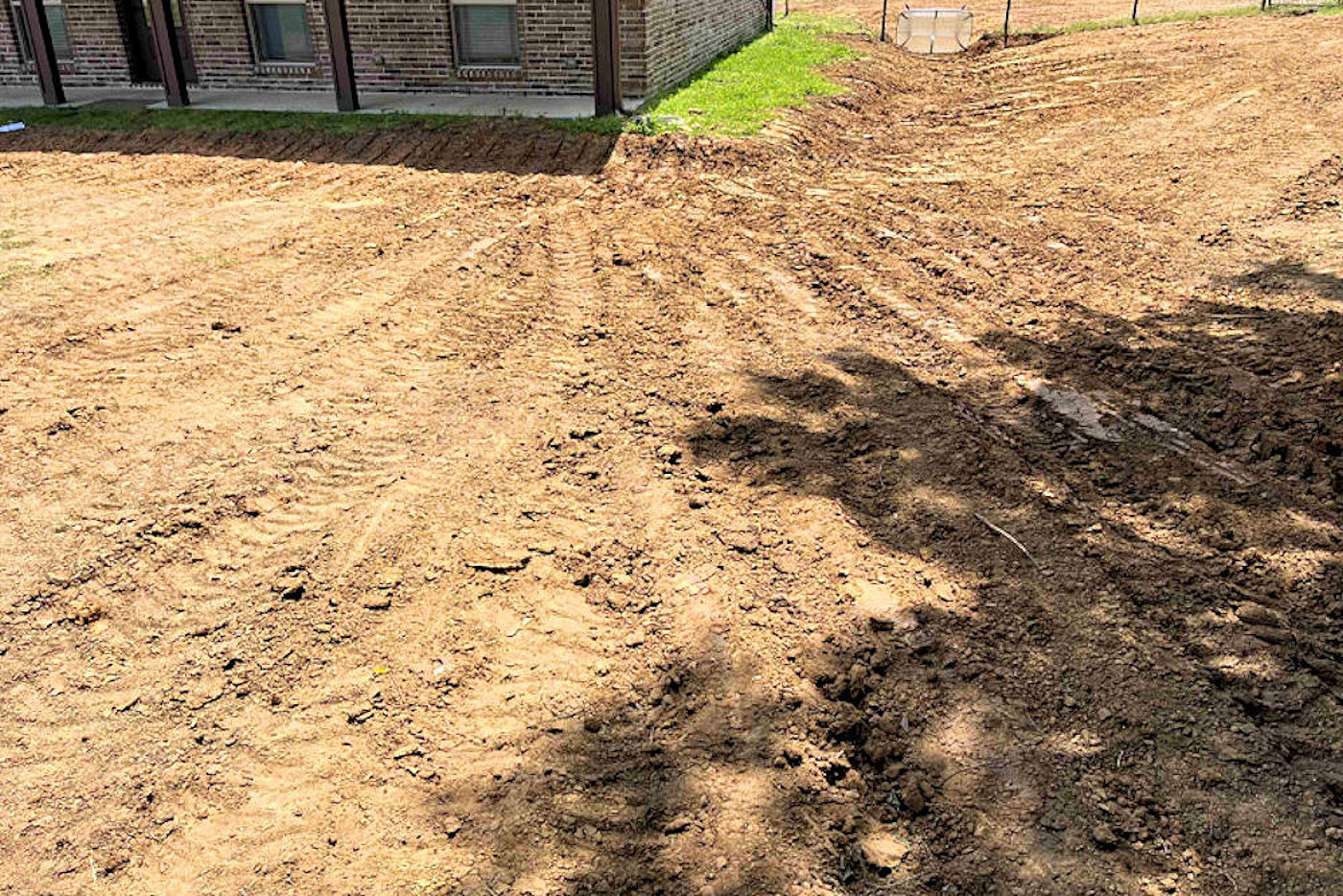
The above image shows Texoma Excavation & Construction digging a new power supply ditch and tying into the existing live power supply near Melissa, Texas. The paver stones were salvaged to be replaced. All the PVC, electrical conduit, phone lines, and small electrical lines that were destroyed were anticipated.

Pond building is a complex process that requires careful planning and execution. After all the planning, the first construction step is excavation of the area where the pond will be located. The pond excavation work shown above was near Montague, Texas. When this pond is full, it will be 7′ 2″ deep at its deepest point.
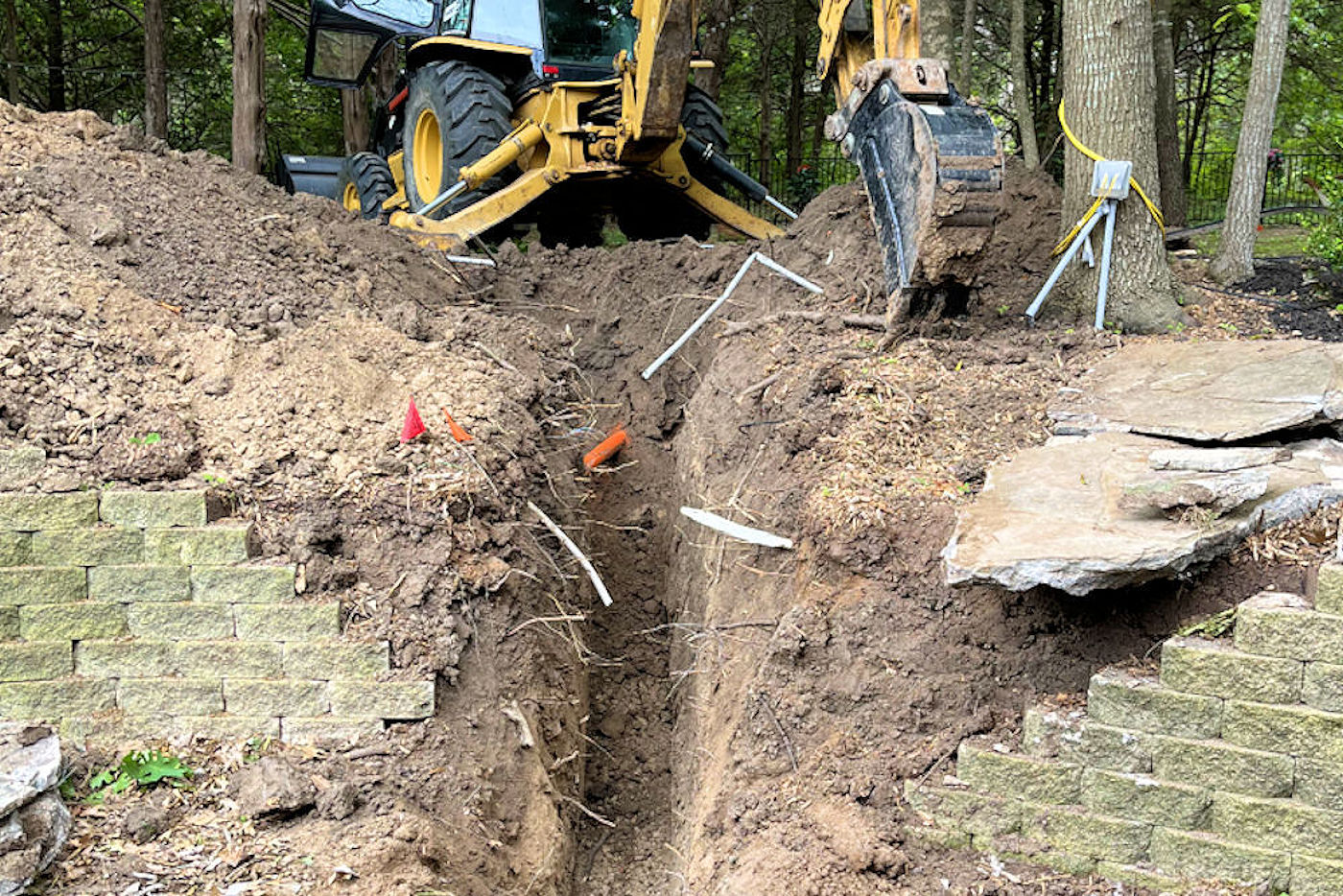
Residential drainage excavation work done near Denison, Texas. This client had some significant drainage problems during periods of high-volume runoff and tried to excavate a ditch to channel water away from his house. We were hired to polish the existing ditch and spread some grass seed.