Septic Tanks and Septic Systems
Underground Wastewater Treatment for Properties without Municipal Hookups
Septic Tanks and Septic Systems
Underground Wastewater Treatment for Properties without Municipal Hookups
What is a Septic Tank & Septic System?
A septic tank is an underground wastewater treatment structure commonly used in areas that lack connection to main sewage pipes provided by local governments or private corporations. They are typically used in rural and suburban areas. Both single and multi-family residences, as well as businesses, can use septic tanks if they are located in areas not served by a municipal sewer system. Septic tanks process wastewater from household plumbing produced by bathrooms, kitchen drains, and laundry.
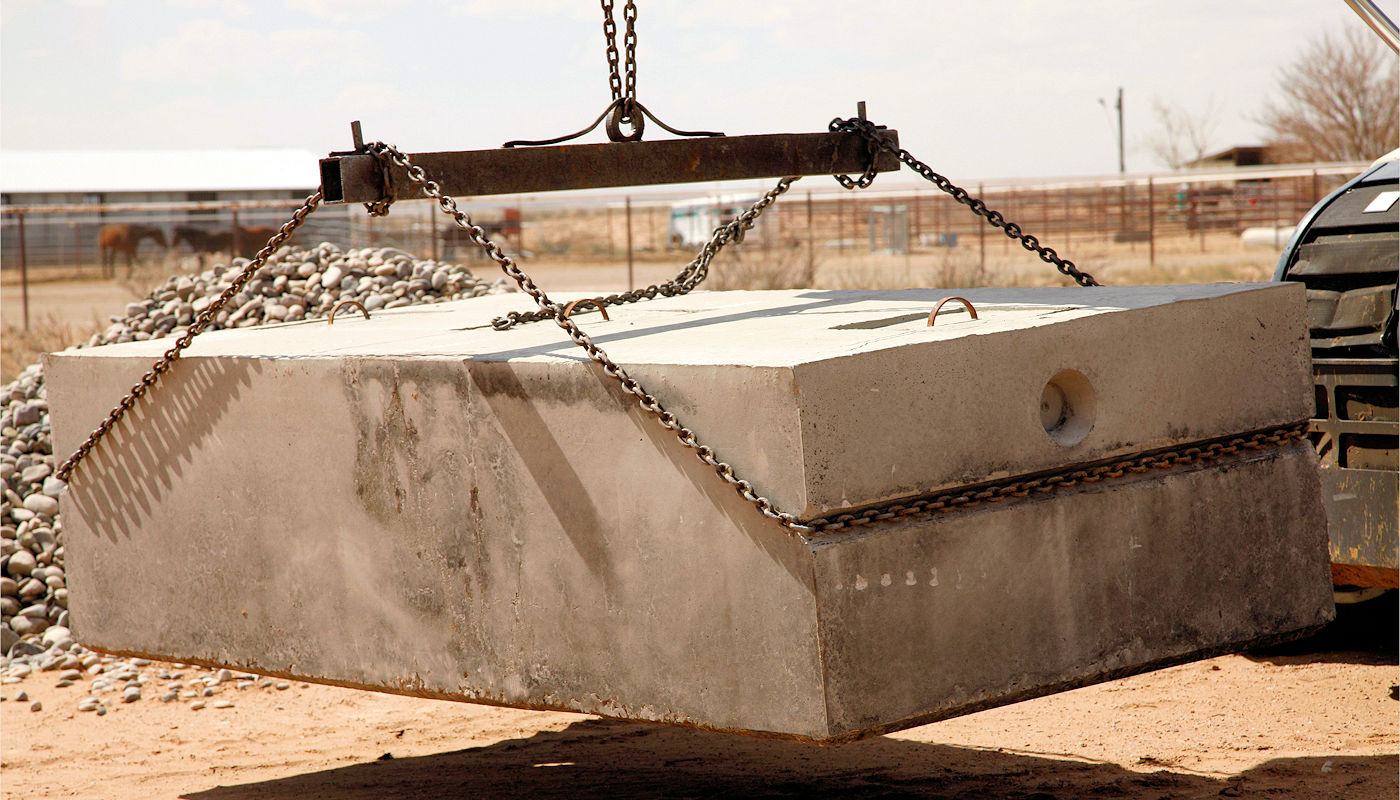
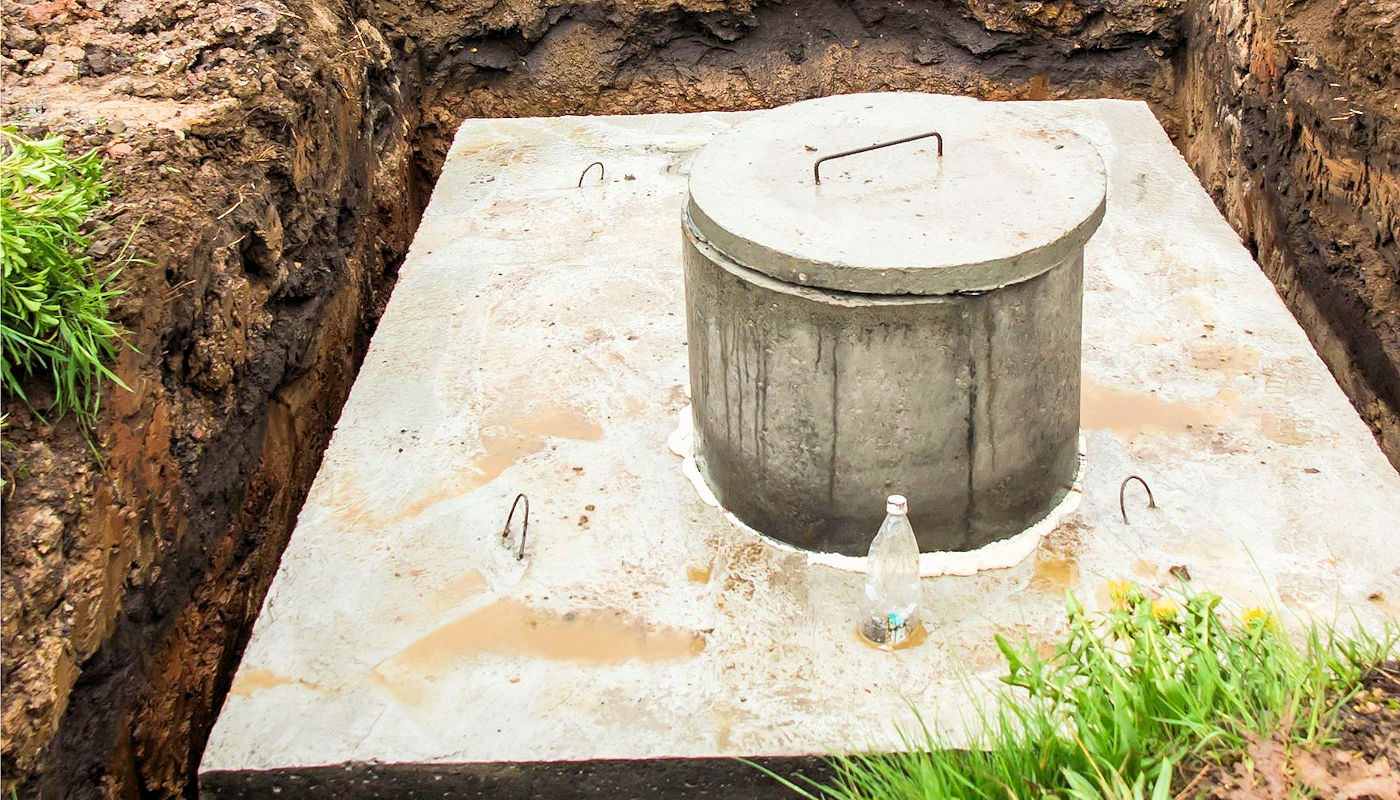
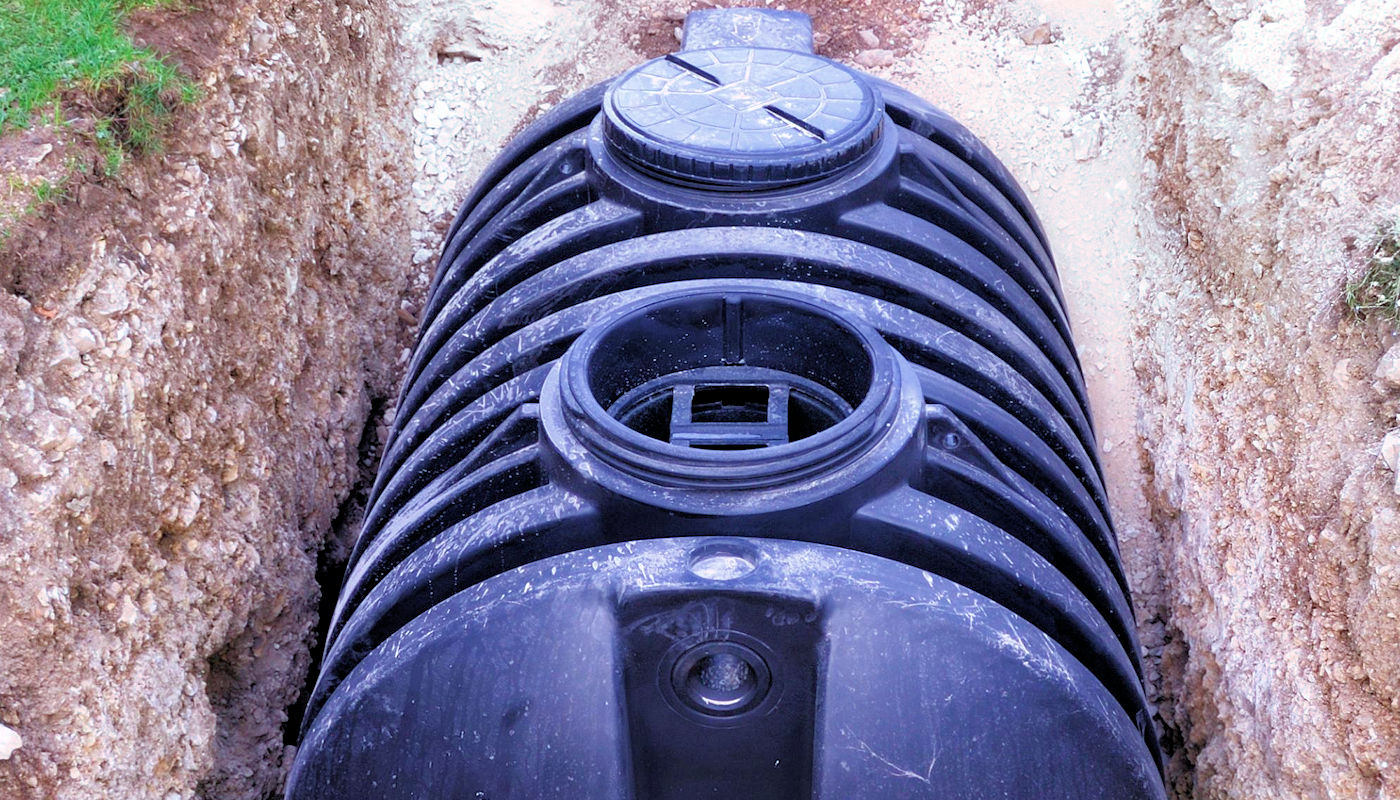
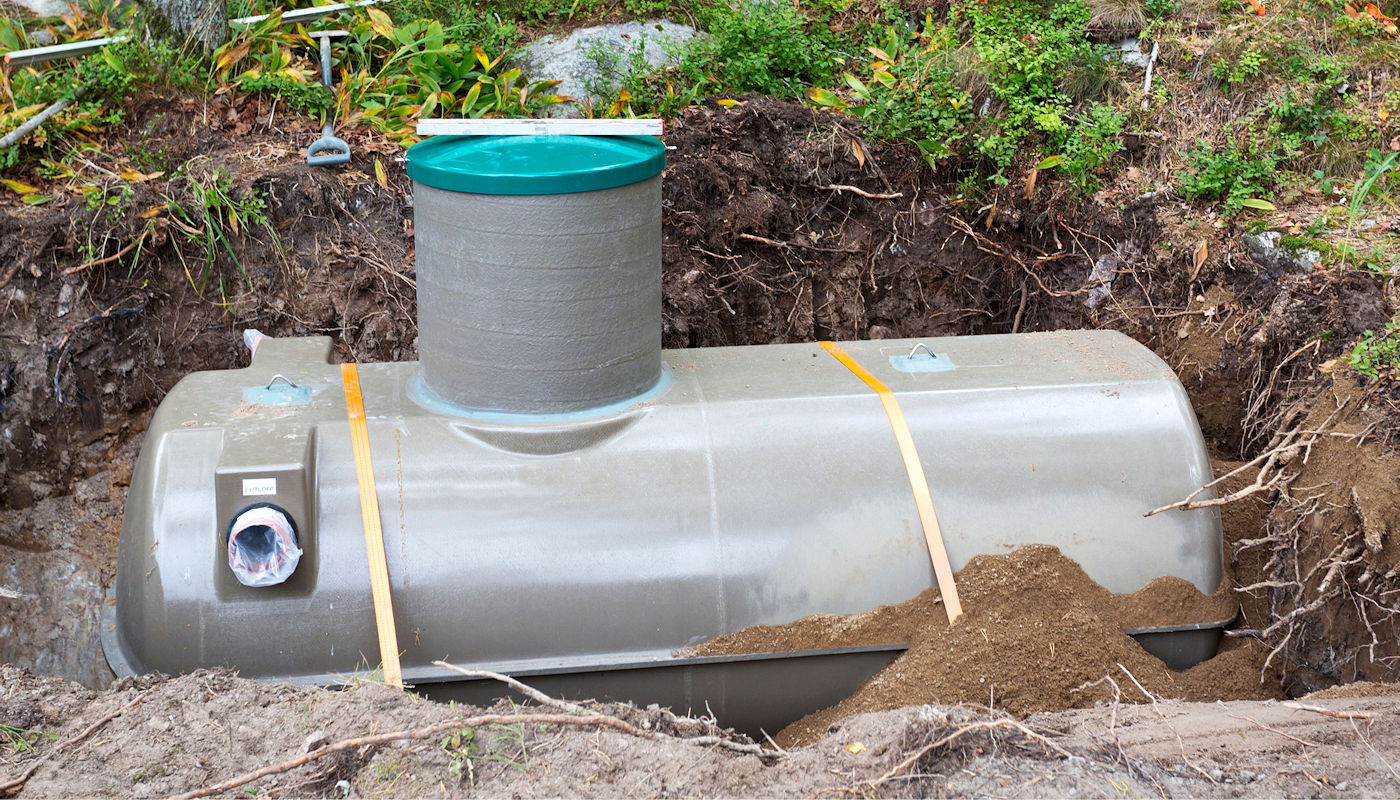
Septic tanks come in various shapes and sizes, typically rectangular or cylindrical, and can be made from materials like concrete, plastic, or fiberglass. The size of the tank required depends on the volume of wastewater to be handled, which is determined by factors such as the number of people in the household and the amount of water typically used. A residential septic tank typically has a capacity of 1,000 to 2,000 gallons, while larger ones can store more than 5,000 gallons of wastewater.
The operation of a septic tank involves a simple process. Wastewater flows into the tank, where it’s held long enough for solids to settle down as sludge and oil and grease to float up as scum. The liquid wastewater then exits the tank and is dispersed into a drainfield, also known as a leachfield.
The drainfield is a subsurface wastewater disposal system where the wastewater is further treated as it percolates through the soil, which acts as a natural filter. This drainfield is a network of trenches or pipes that disperse the wastewater over a large area of soil. The soil’s microbial ecosystem decomposes the organic materials in the wastewater, while components like phosphorus and nitrogen are removed, making the wastewater safe for the environment.
The scum that floats to the top of a septic tank is composed of substances lighter than water, such as oils, fats, and grease. This layer of scum accumulates in the septic tank over time. Aerobic bacteria work to digest a majority of these floating solid waste materials. When the septic tank is serviced, both the floating scum layer and the settled sludge layer at the bottom are pumped out by the septic pumping contractor. The removed waste, known as septage, is then transported to an approved disposal site, often a waste treatment plant. This process ensures the proper functioning of the septic system and helps prevent potential environmental contamination.

Concrete Septic Tank Installation
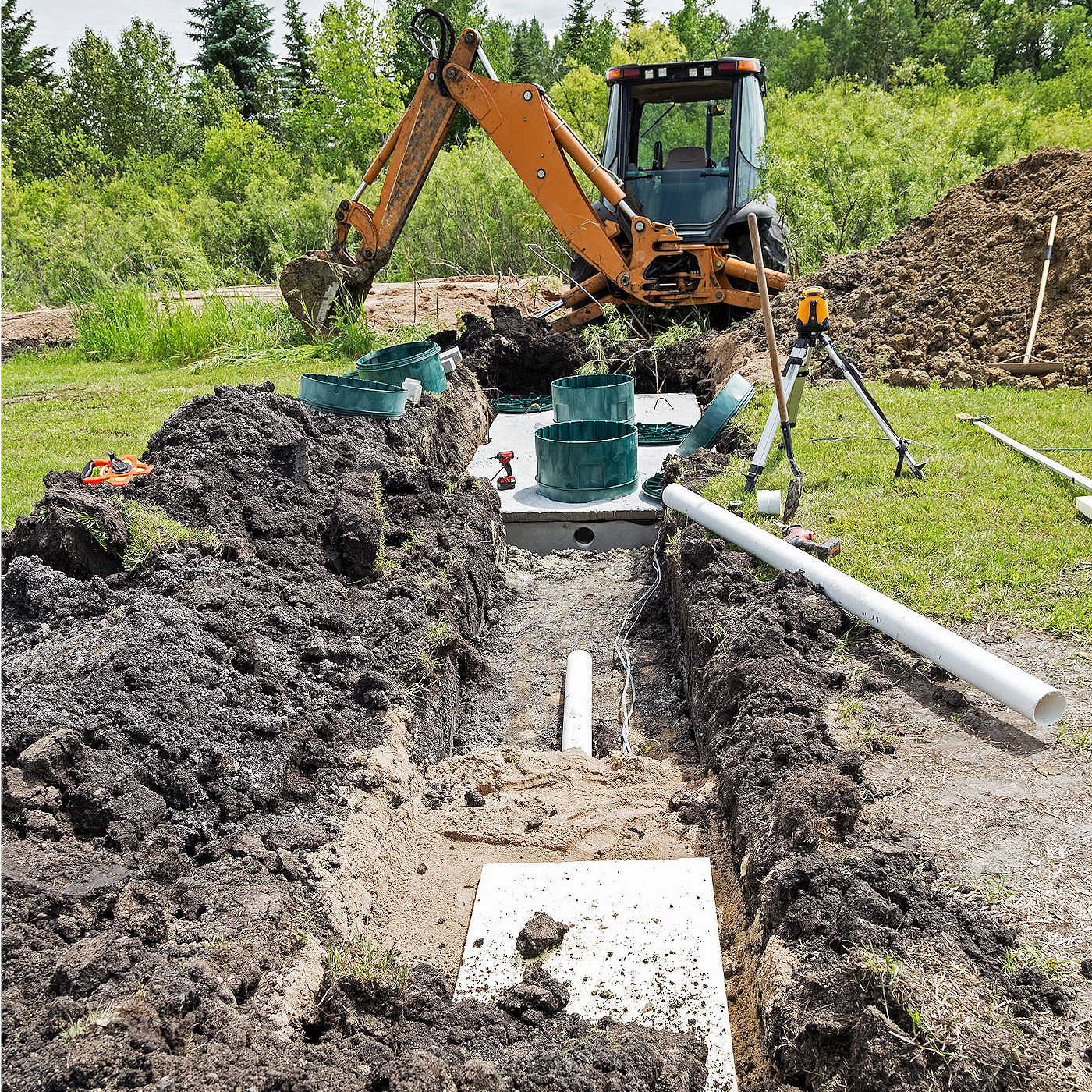
Mound Type Septic System Installation
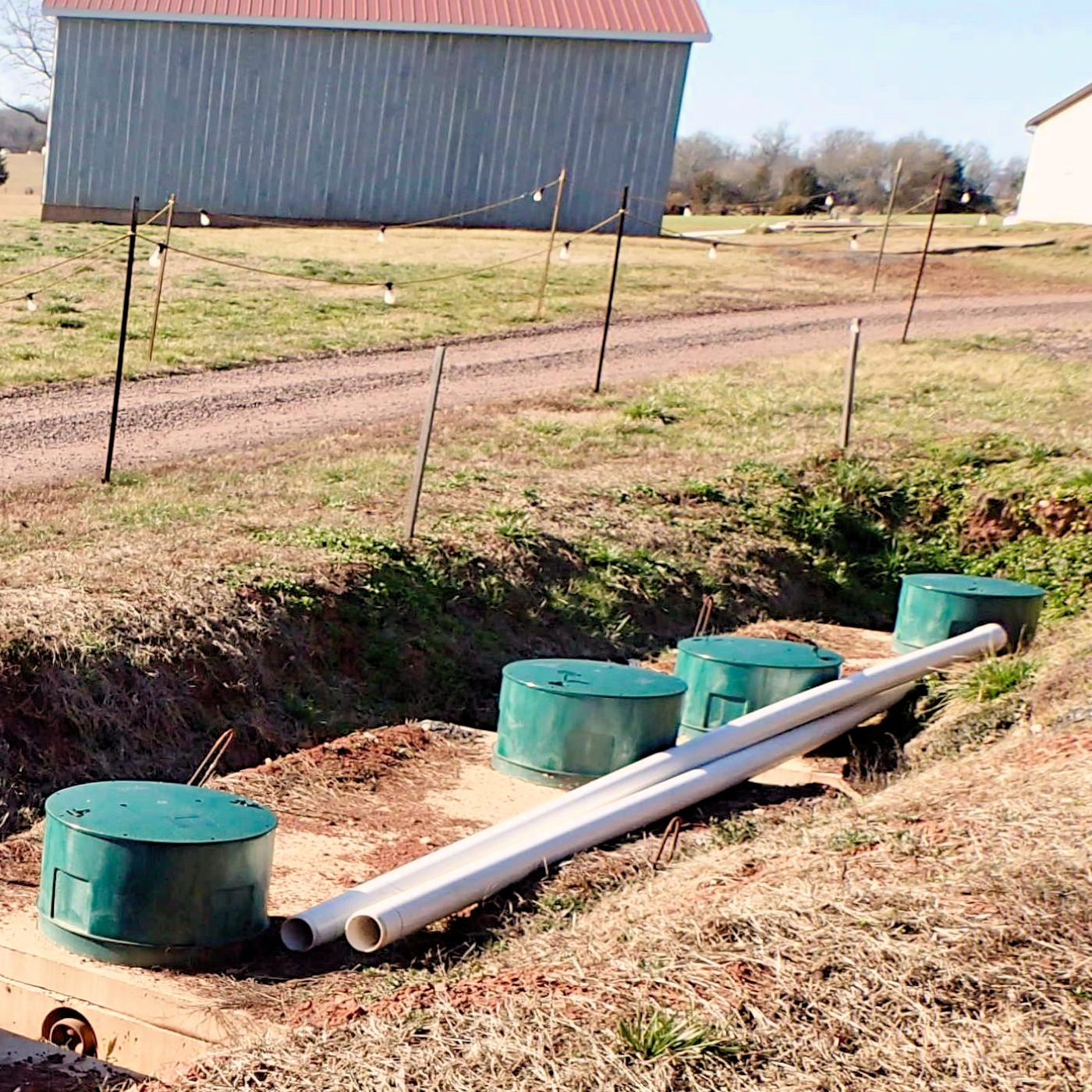
Concrete Septic Tank Installation on a Farm or Ranch
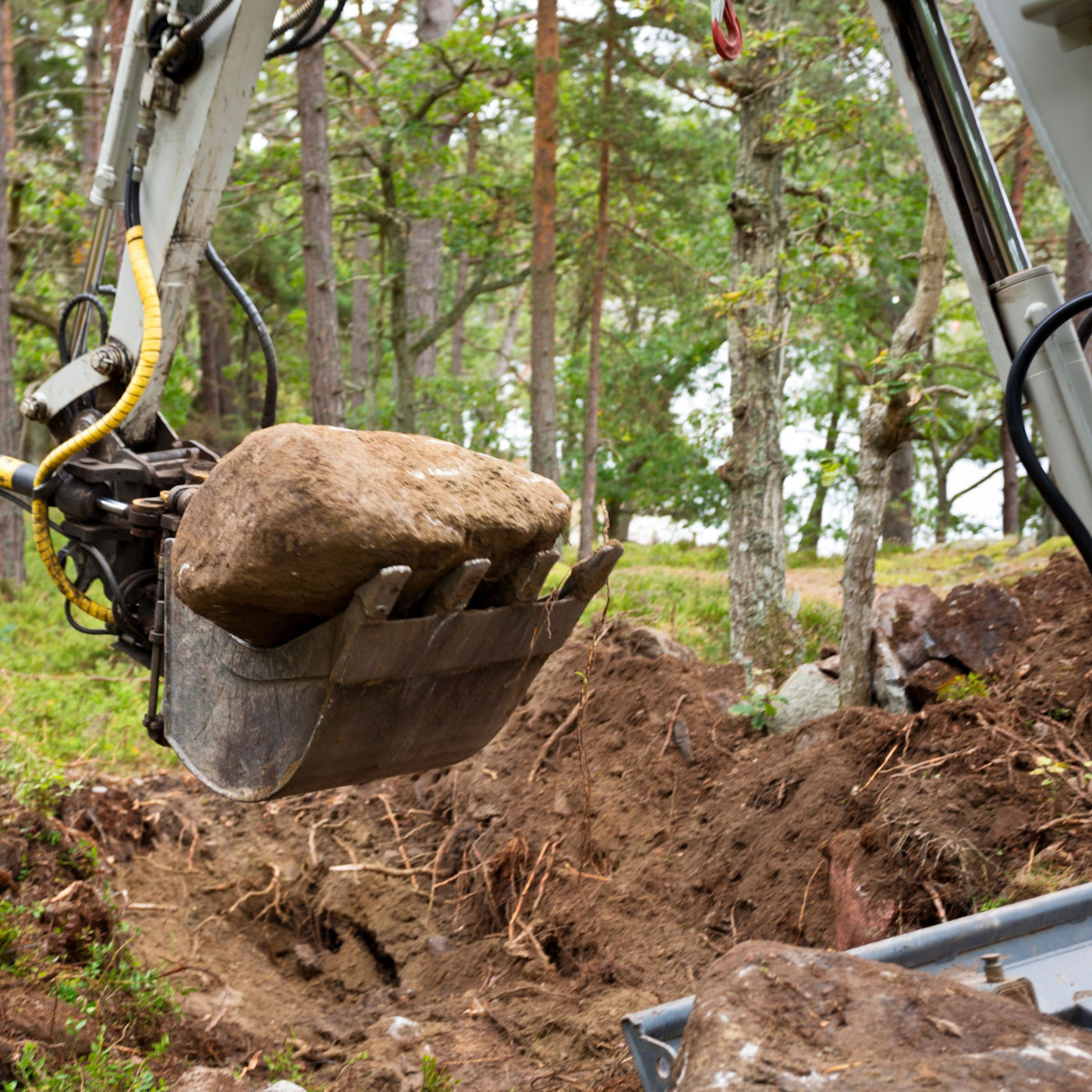
Beginning a Septic System Installation
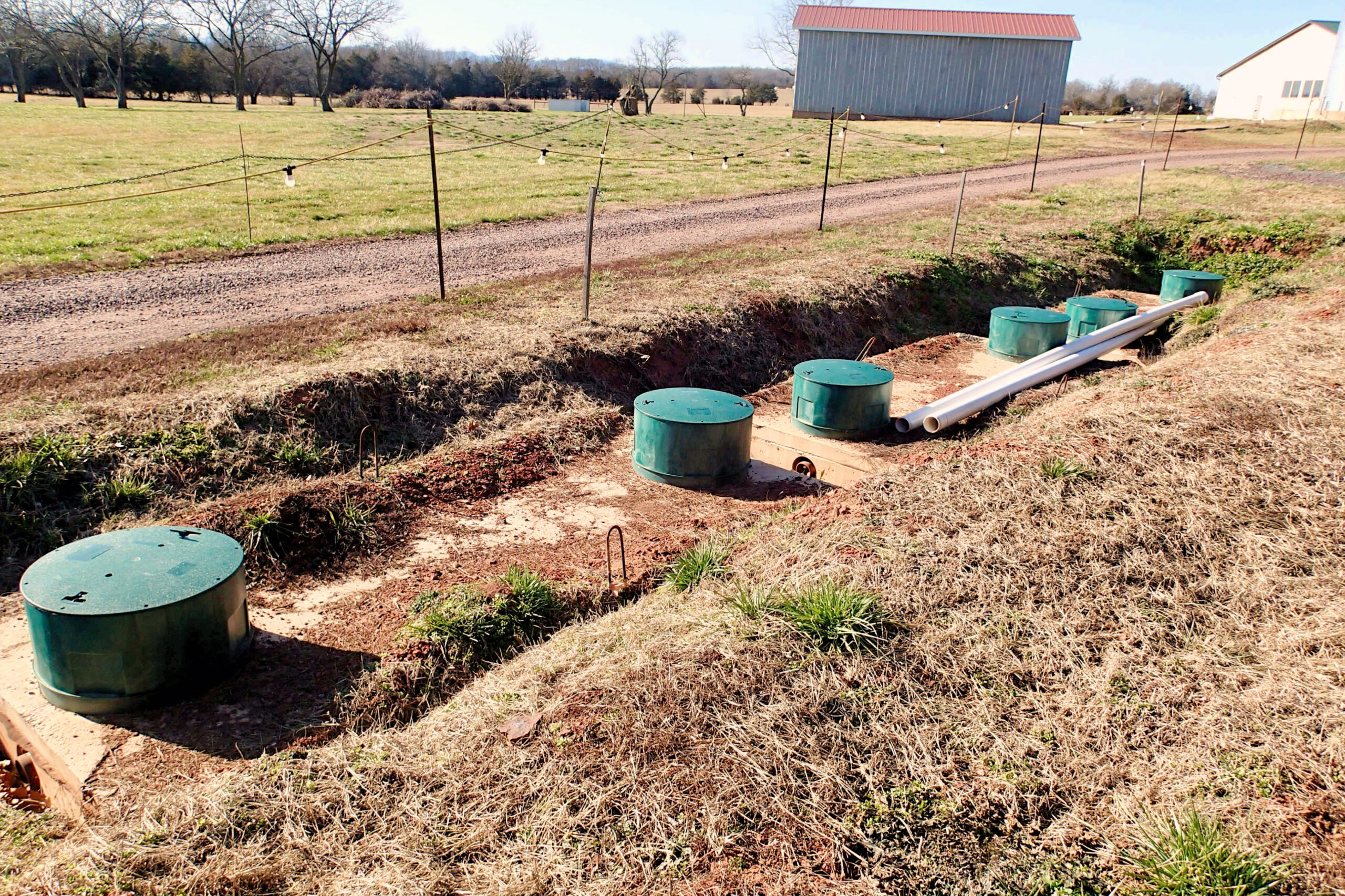
Types of Septic Systems
Anaerobic Septic System vs. Aerobic Septic System: Anaerobic and aerobic septic systems are two types of septic systems that differ mainly in the presence or absence of oxygen. Anaerobic septic systems operate in an oxygen-deprived environment and are generally smaller than their aerobic counterparts. They are best suited for smaller properties that do not have access to municipal sewer systems [1][6]. On the other hand, aerobic septic systems break down organic waste in the presence of oxygen, a process known as aerobic digestion. These systems consist of several stages, including pre-treatment, aeration, disinfection, and a pump tank [1][5].
Gravity Septic System vs. Conventional Septic System: A gravity septic system is a type of conventional septic system. In a gravity system, wastewater moves from the home to the septic tank and then to the drain field by gravity. In contrast, some conventional systems may use pumps or other mechanisms to move wastewater if the topography of the land doesn’t allow for gravity flow.
Mound Septic System: A mound septic system is a type of septic system used when there are shallow soil conditions, high groundwater, or poor soil conditions. The system uses a pump to move effluent from the septic tank to a mound-shaped drain field where it is treated and dispersed into the surrounding soil.
Chamber Septic System: A chamber septic system, also known as a gravelless system, is a type of septic system that uses large chambers instead of traditional gravel-filled drain field trenches. This system is often used in areas where gravel is scarce or expensive, or in areas with high groundwater levels.
Pros & Cons of Septic Tank Materials
The choice of a septic tank made of one material or another depends on your specific needs, local regulations, and site conditions. Proper maintenance ensures longevity regardless of the material chosen. Generally speaking, steel septic tanks are not a good choice.
Concrete Septic Tanks:
- Lifespan: Approximately 40+ years with proper care.
- Pros: Durable, resistant to cracking, can last decades, and less prone to damage.
- Cons: Heavier, more expensive, and may require pumping every 2-3 years.[11][14].
Plastic (Polyethylene) Septic Tanks:
- Lifespan: Around 30+ years.
- Pros: Lightweight, easy installation, less resistant to corrosion, and suitable for new construction.
- Cons: May not be ideal in high groundwater areas due to buoyancy [11][14].
Fiberglass Septic Tanks:
- Lifespan: Similar to plastic, 30+ years.
- Pros: Lightweight, corrosion-resistant, and durable.
- Cons: Limited approval in some areas [14].
Steel Septic Tanks:
- Lifespan: Shorter, about 15-20 years.
- Pros: None, as they tend to rust and corrode.
- Cons: Rusts easily, leading to leaks and failure [12][13].
Concrete Septic Tank Installation
Mound Type Septic System Installation
Mound Type Septic System Installation
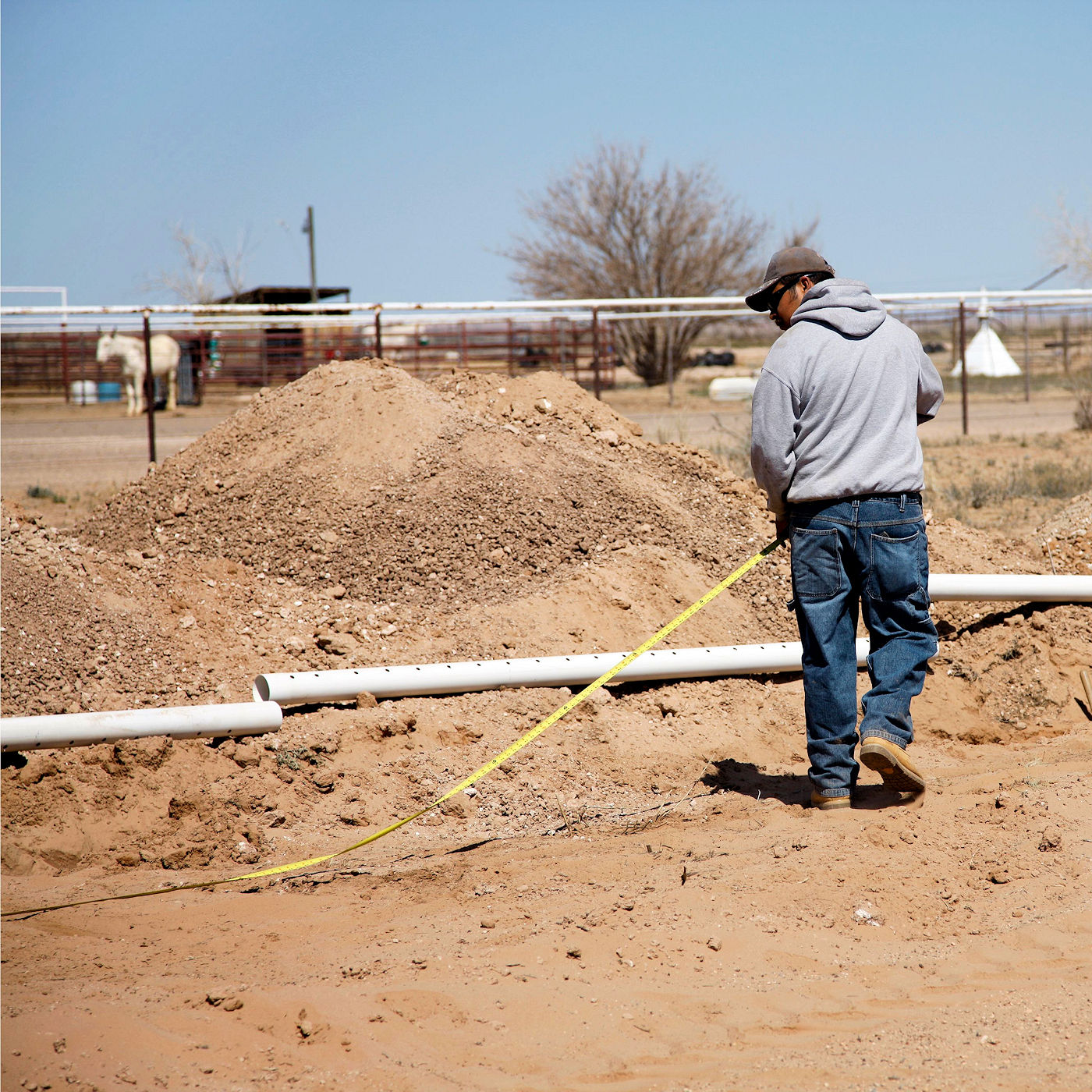
Measuring for a Septic Tank and Leech Field Installation
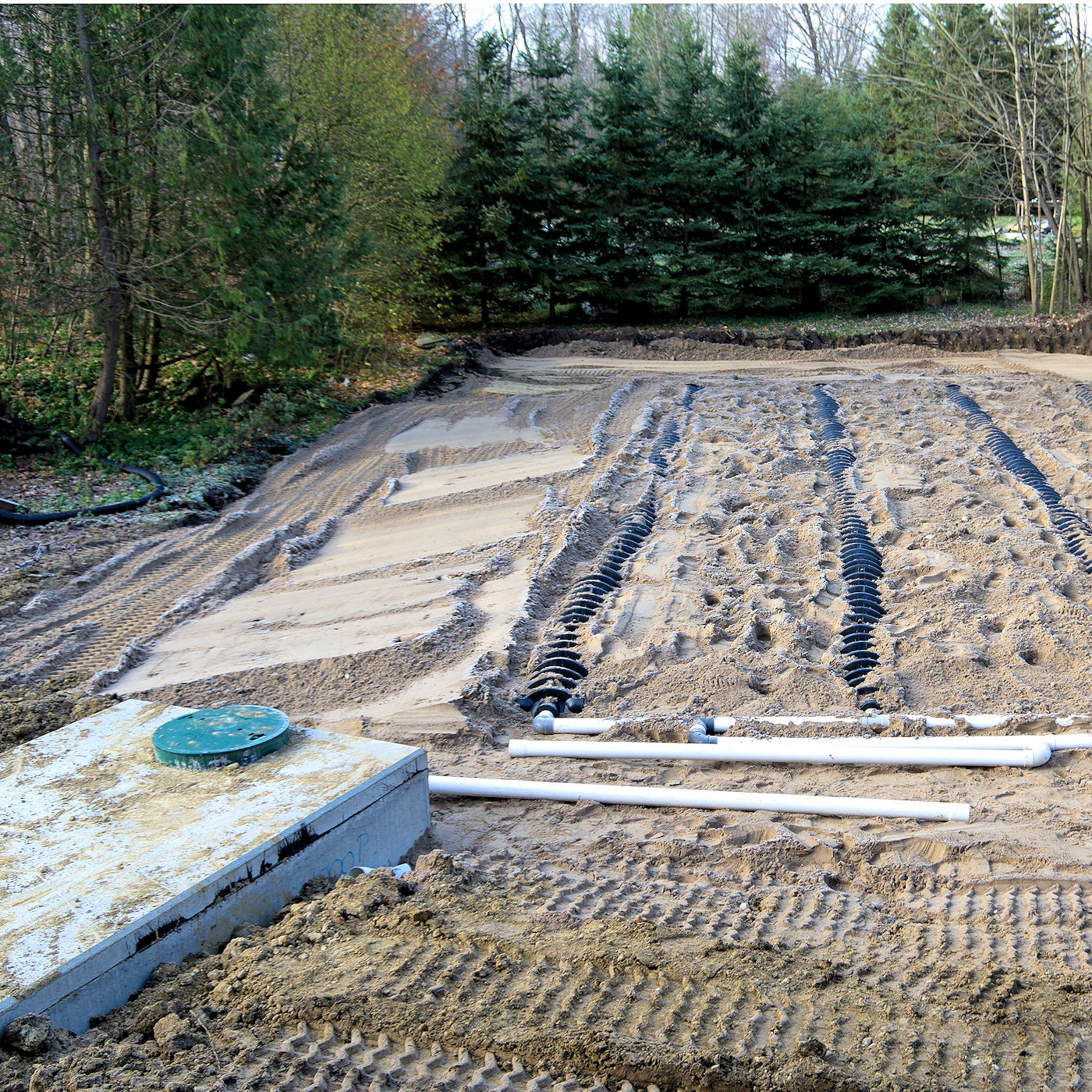
Septic System Leech Field
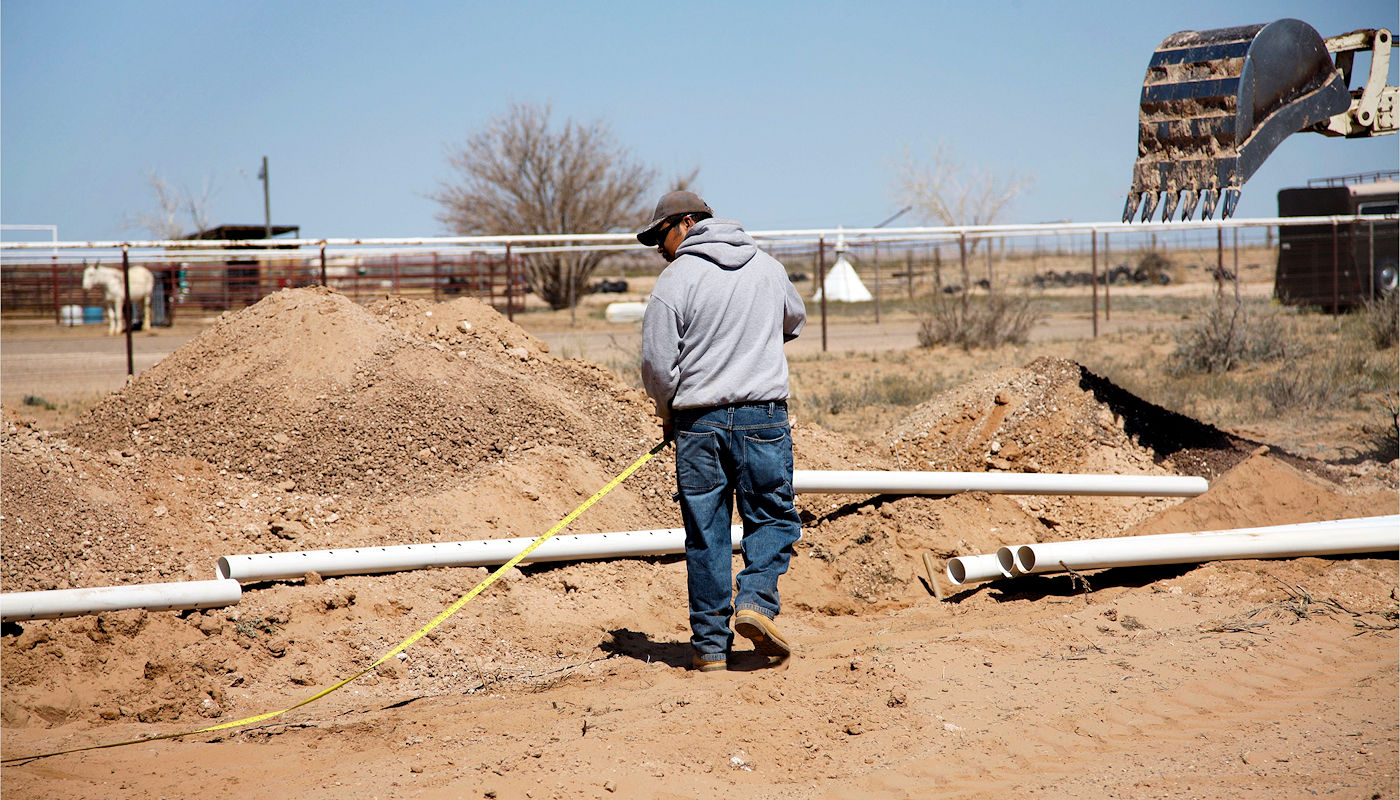
Building a Septic Drain Field:
Determining Septic Tank Size (Residential): The size of the septic tank you need for a home depends on the number of bedrooms. A general rule of thumb is that the tank should be able to hold between 50 and 100 gallons for each bedroom. So, if you have four bedrooms in your home, you’ll need a septic tank that can hold between 200 and 400 gallons [2][4]. The size of the leach field will also depend on the number of bedrooms in your home. The leach field should be at least twice as large as the septic tank [2][4]. These are just general guidelines, so it’s best to consult with a professional before making final choices on your septic system.
Determining Septic Tank Size (Commercial): If your business location is outside municipal wastewater treatment connections, you will need to comply with either county and/or state regulations. Septic system size depends on the business type. A restaurant, for example, would probably have a much greater need than a store that has a larger footprint.
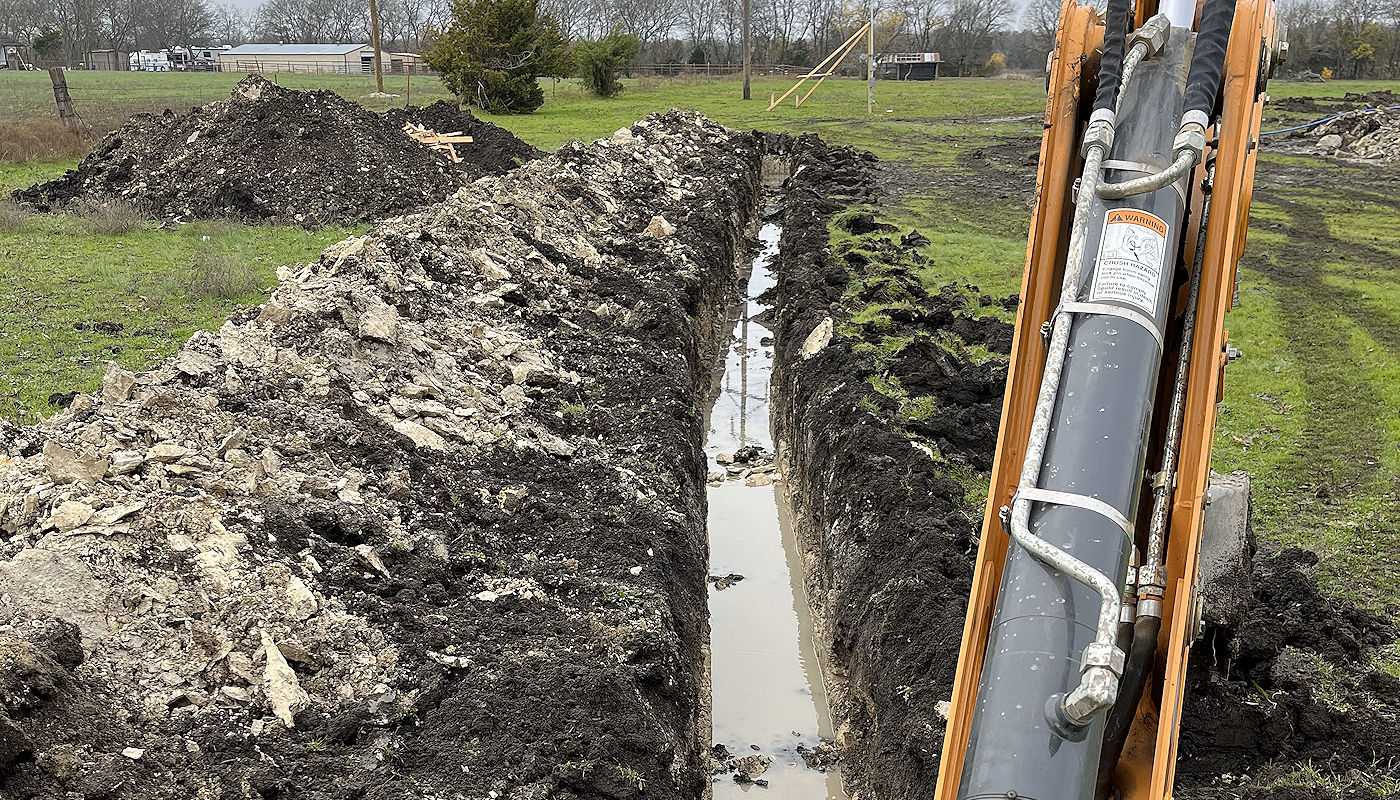
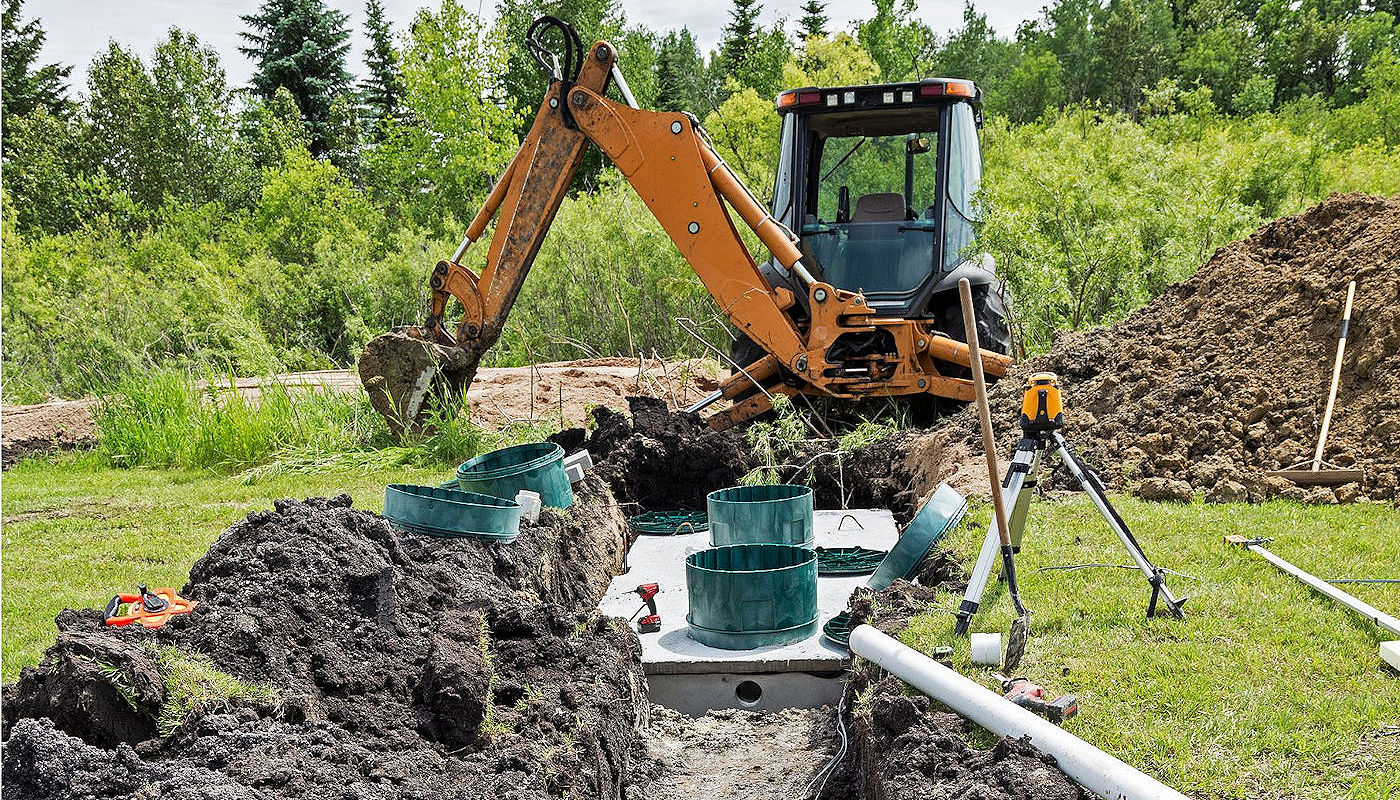
Building a septic drain field involves several steps. First, the soil is tested to determine how deep the drain field should be buried and how wide it should be. Then, trenches for the drain field are dug, which should be at least 18 inches wide and 6-8 inches deep[10]. The bottom of each trench is lined with a layer of crushed stone, and then the perforated pipe is placed on top. The pipe is covered with another layer of crushed stone, and then the trench is backfilled with soil[10]. This process is repeated until all of the trenches have been dug and filled in[10].
Calculating the Size of a Septic Drain Field: The size of the drain field will determine how effectively it can perform its vital function. As septic installation contractors, we use a variety of methods to calculate the size of a drain field, including soil testing, percolation testing, and site evaluation [1][4]. Once your contractor
has determined the size of the drain field, they will excavate a trench that is wide enough and deep enough to accommodate the necessary pipe work [1][4].
Depth of a Leach Field Trench: In general, trench depth needs to be at least between 18 and 24 inches deep, below the surface of the ground, in order to ensure proper drainage and filtration [1][4]. This is especially important in areas with heavy clay soils that are prone to being water logged. However, there may be some circumstances where deeper trenches may be required, such as when an on-site sewage disposal system must be installed on rocky terrain or if a higher degree of soil permeability is required [1][4].
Why a Leach Field Might Not Be Draining: There are several reasons why a leach field may fail to drain properly. One common issue is that the surrounding soil simply isn’t well-suited for this type of system, meaning that the leach field isn’t able to effectively disperse water into the ground [5].
Additionally, heavy and prolonged rainfall can saturate the leach field and create a backflow in the pipes, preventing adequate drainage [5]. Moreover, if one of the lines becomes damaged or clogged, it can also cause problems with draining [5]. And finally, improper maintenance and care of the septic system can lead to clogging or blockage, further impacting the ability of the leach field to drain properly [5].
Additionally, heavy and prolonged rainfall can saturate the leach field and create a backflow in the pipes, preventing adequate drainage [5]. Moreover, if one of the lines becomes damaged or clogged, it can also cause problems with draining [5]. And finally, improper maintenance and care of the septic system can lead to clogging or blockage, further impacting the ability of the leach field to drain properly [5].
Erosion Control Services & Solutions:
Farm & Ranch Soil Erosion Restoration & Repair
Texoma Excavation & Construction is an excavation company and erosion control contractor specializing in construction site erosion control. We design, implement, and maintain residential, commercial, and construction site erosion control plans. We use a variety of techniques to prevent soil erosion, including vegetation, retaining walls, and a variety of drainage systems for the job. [read more]
Residential & Commercial Soil Erosion Restoration & Repair
Texoma Excavation & Construction is an excavation company and erosion control contractor specializing in construction site erosion control. We design, implement, and maintain residential, commercial, and construction site erosion control plans. We use a variety of techniques to prevent soil erosion, including vegetation, retaining walls, and a variety of drainage systems for the job. [read more]
Construction Site Erosion Control
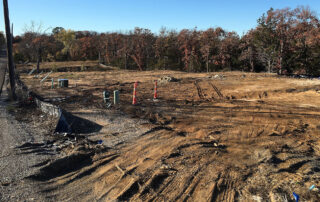
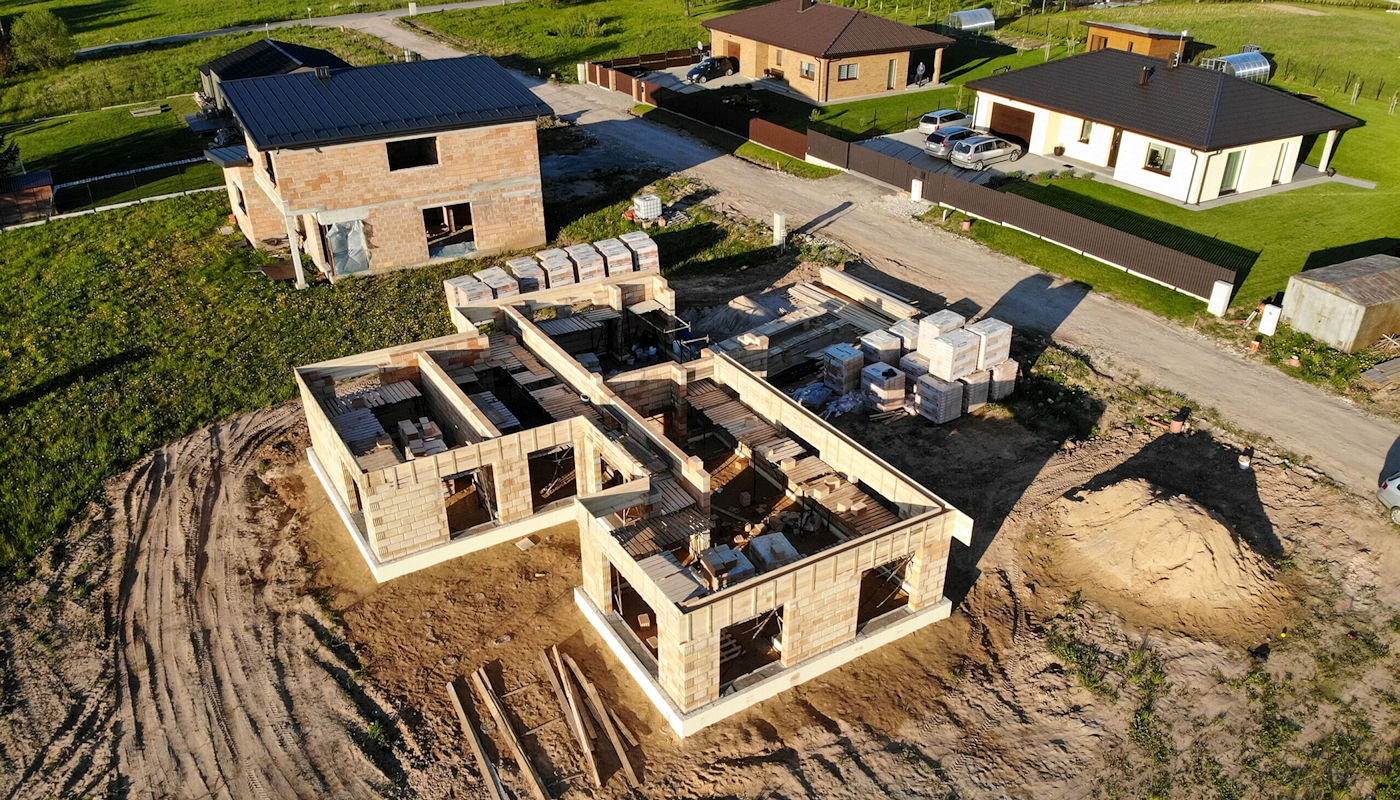
Texoma Excavation & Construction is an excavation company and erosion control contractor specializing in construction site erosion control. We design, implement, and maintain residential, commercial, and construction site erosion control plans. We use a variety of techniques to prevent soil erosion, including vegetation, retaining walls, and a variety of drainage systems for the job. [read more]
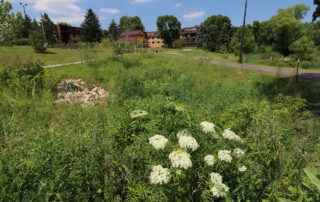
Rainscaping: Manage Rainwater Where it Falls with style!
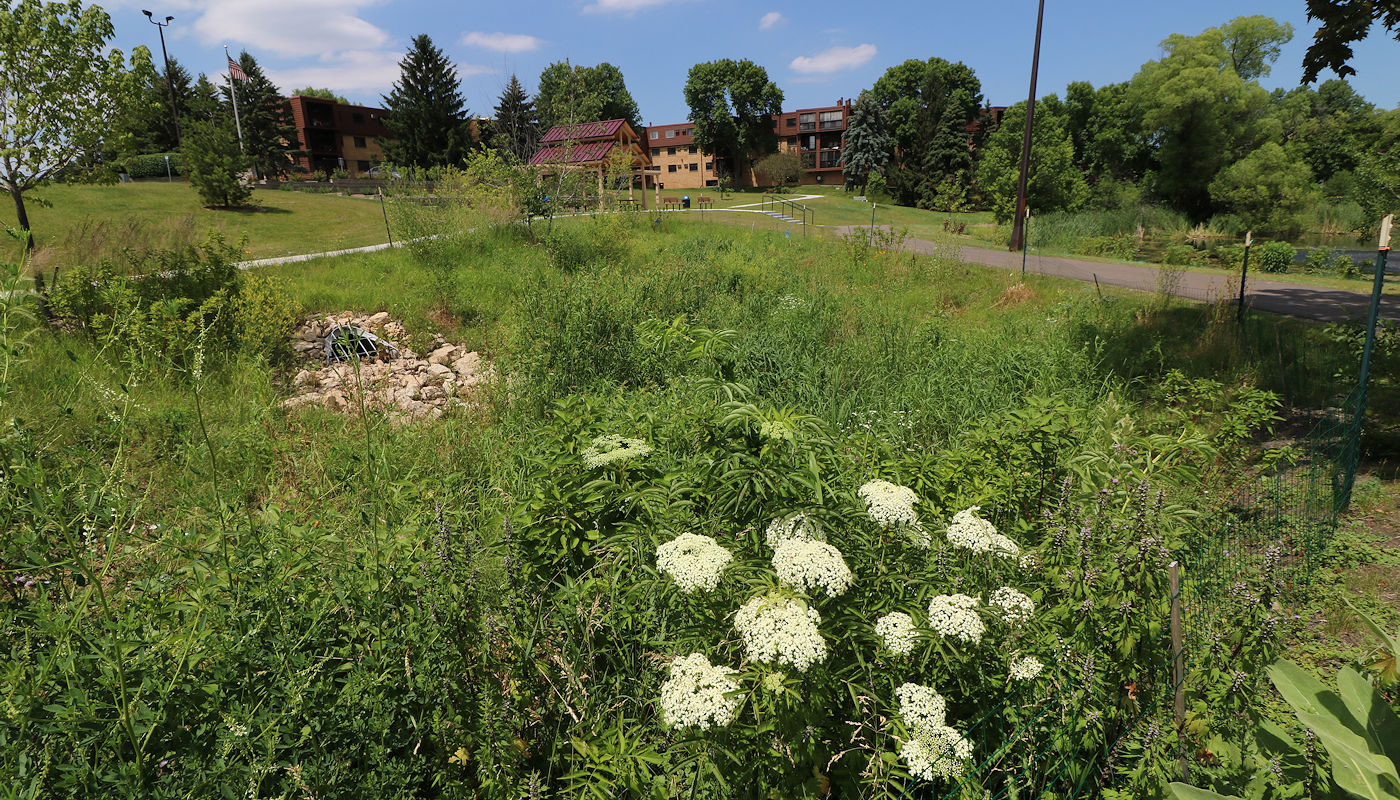
Rainscaping is a term that emerged in 2008 describing a variety of practices that manage stormwater runoff in a sustainable and aesthetic way. Rainscaping is any combination of plantings, water features, catch basins, and other activities that manage stormwater as close as possible to where it falls, rather than moving it someplace else. [read more]

Naturescape Landscaping
Naturescape landscaping involves using simple techniques that mimic nature, such as using native plants, creating diversity, avoiding chemicals, and incorporating natural features. Naturescape landscaping can make your yard a safe and healthy place for children, pets, and wildlife, as well as save you time and money by reducing water, energy, and maintenance needs. [read more]
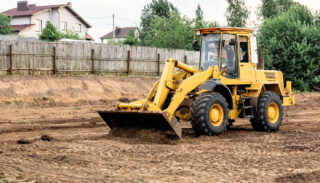
Landscape Grading & Excavating Contractor Services
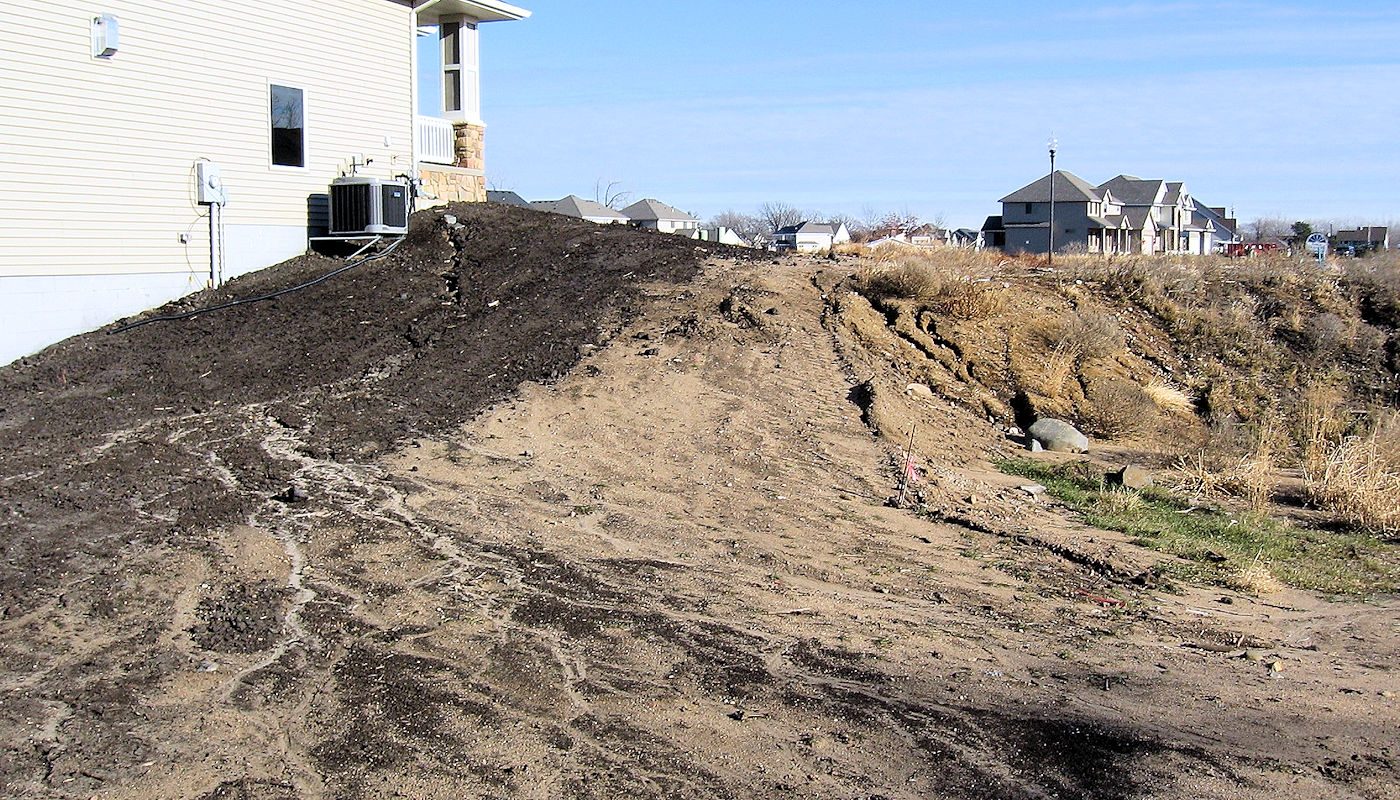
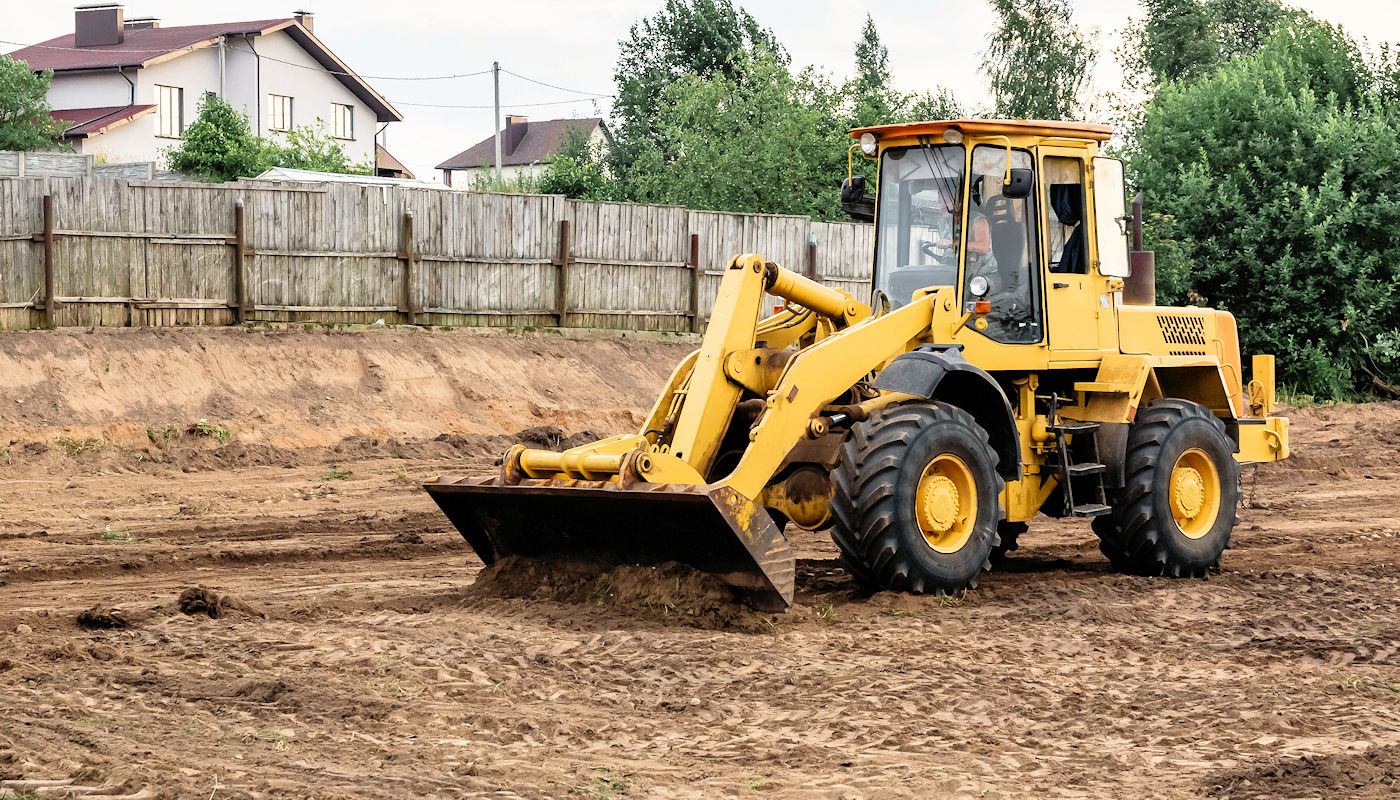
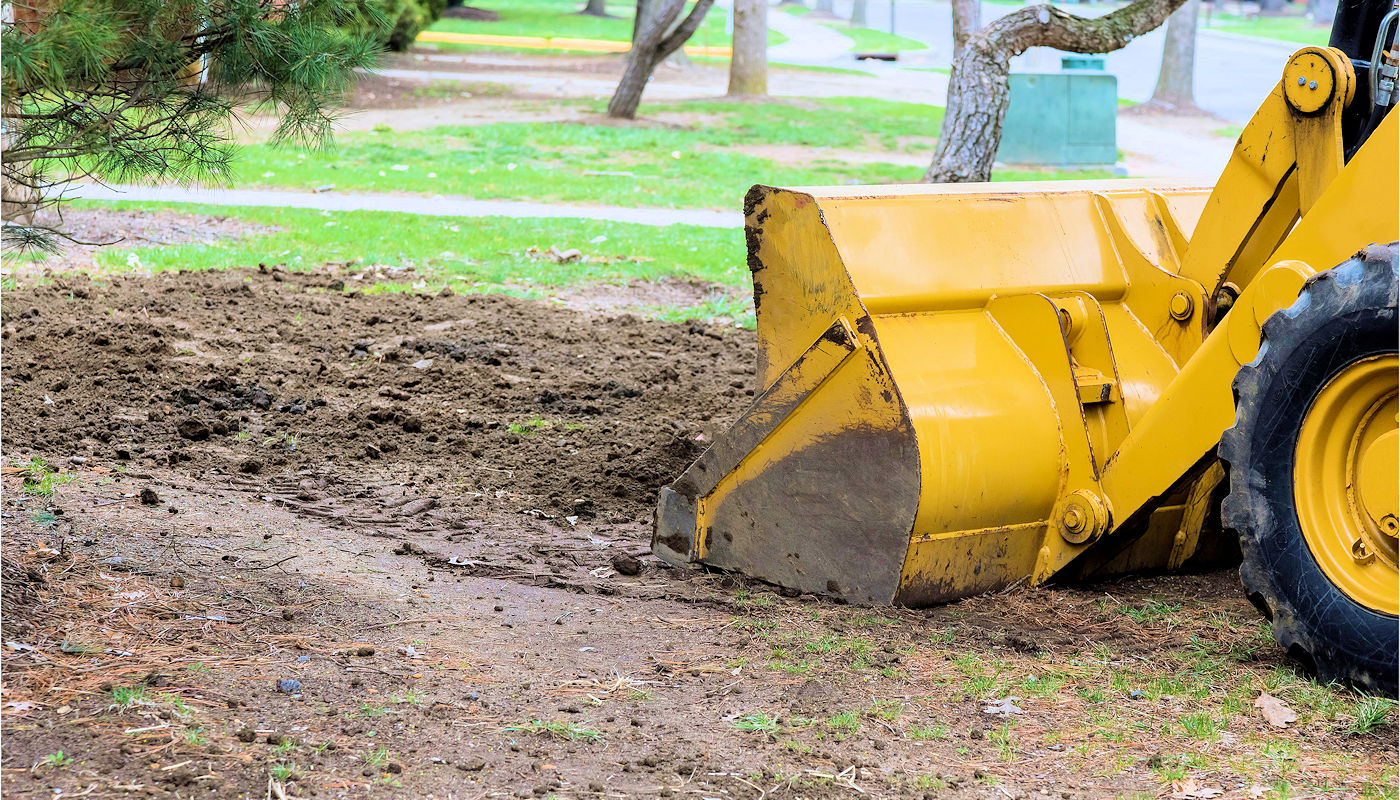
Texoma Excavation and Construction Company’s landscape grading and excavation services involve leveling or sloping the land around a property to improve its appearance, functionality, and drainage. Landscape grading can help prevent water damage, soil erosion, flooding, and other problems caused by poor drainage or uneven terrain. [read more]
Drainage Solutions for Yard & Landscaping
If you’re experiencing poor drainage on your property, it’s important to address the issue promptly to prevent further damage and potential safety hazards. Texoma Excavation & Construction can help identify the root cause of your drainage problems and provide effective solutions to keep your property safe and well-maintained.
Erosion Control Related Topics:

Overgrazing: Farm & Ranch Soil Erosion
Overgrazing can lead to severe soil erosion and degradation on ranches and farms, impacting not only the land but also waterways and biodiversity. This soil erosion can be caused by grazing cattle, horses, & other livestock. When these animals graze, they can cause physical damage to the soil, especially when the soil is wet. [read more]
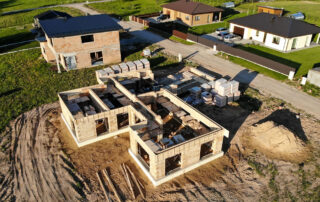
What is an Erosion & Sedimentation Control Plan?
An Erosion and Sediment Control Plan (ESCP) document describes the measures and practices to prevent or minimize soil erosion and sedimentation during construction activities. In Texas, this is required for construction projects disturbing one acre or more, or is part of a larger common development plan of one acre or more of land. [read more]

Use Permeable Pavements to Reduce Hardscape Stormwater Runoff
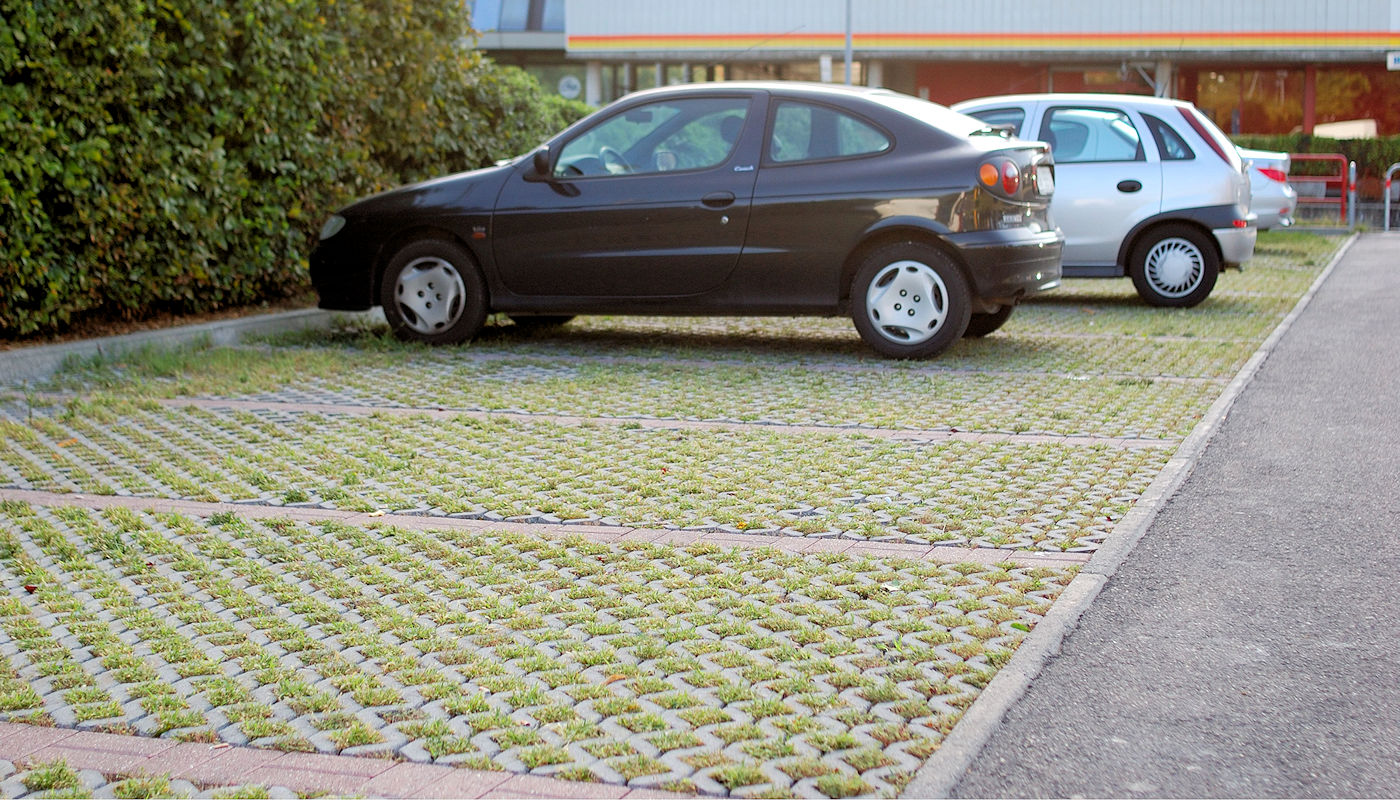
Permeable pavement materials are used in rainscaping for walking paths and other purposes such as driveways, parking areas, patios, tennis courts and even streets. Rainscaping refers to any combination of plantings, water features, catch basins, permeable pavements and other methods of managing stormwater as close as possible to where it falls, rather than moving it someplace else. [read more]
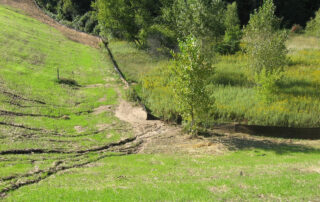
Soil Erosion Types & Solutions
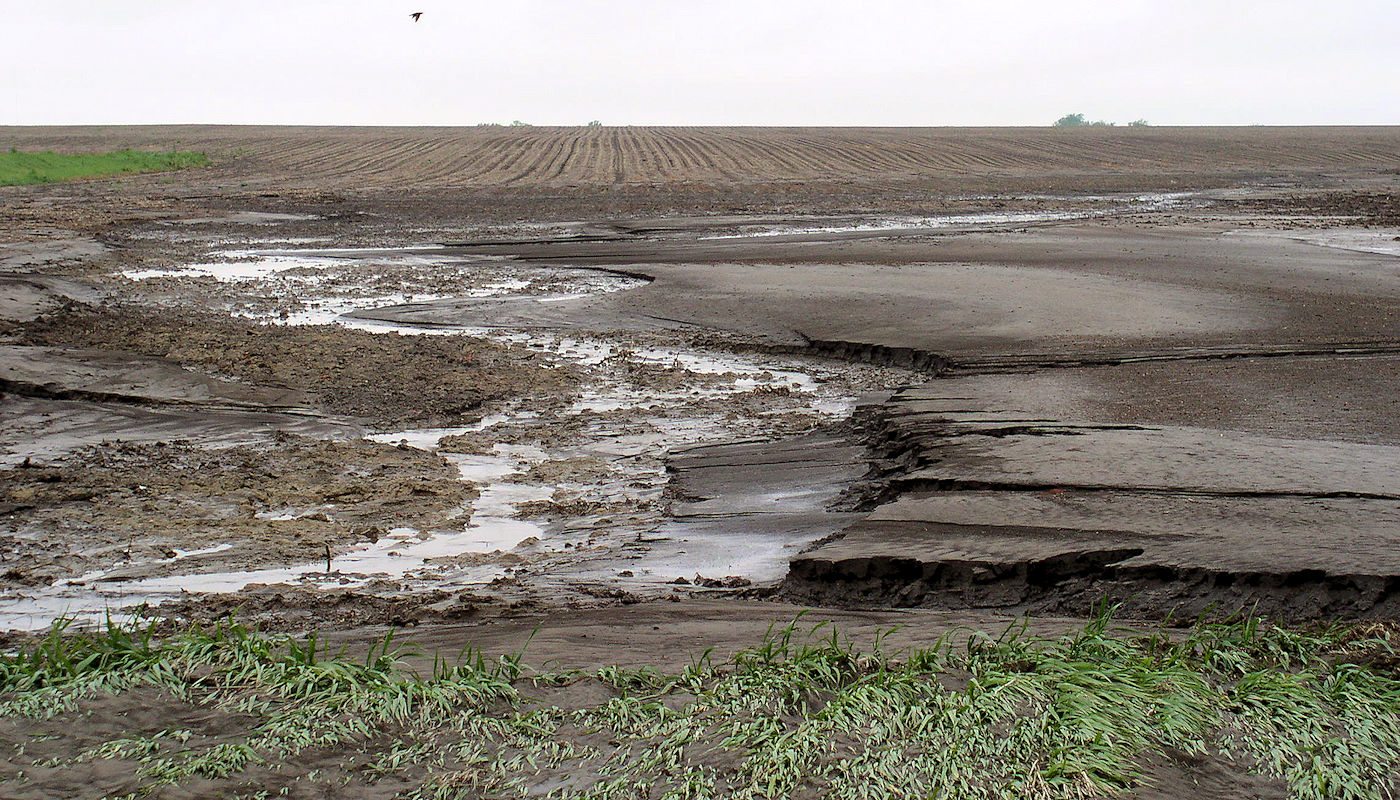
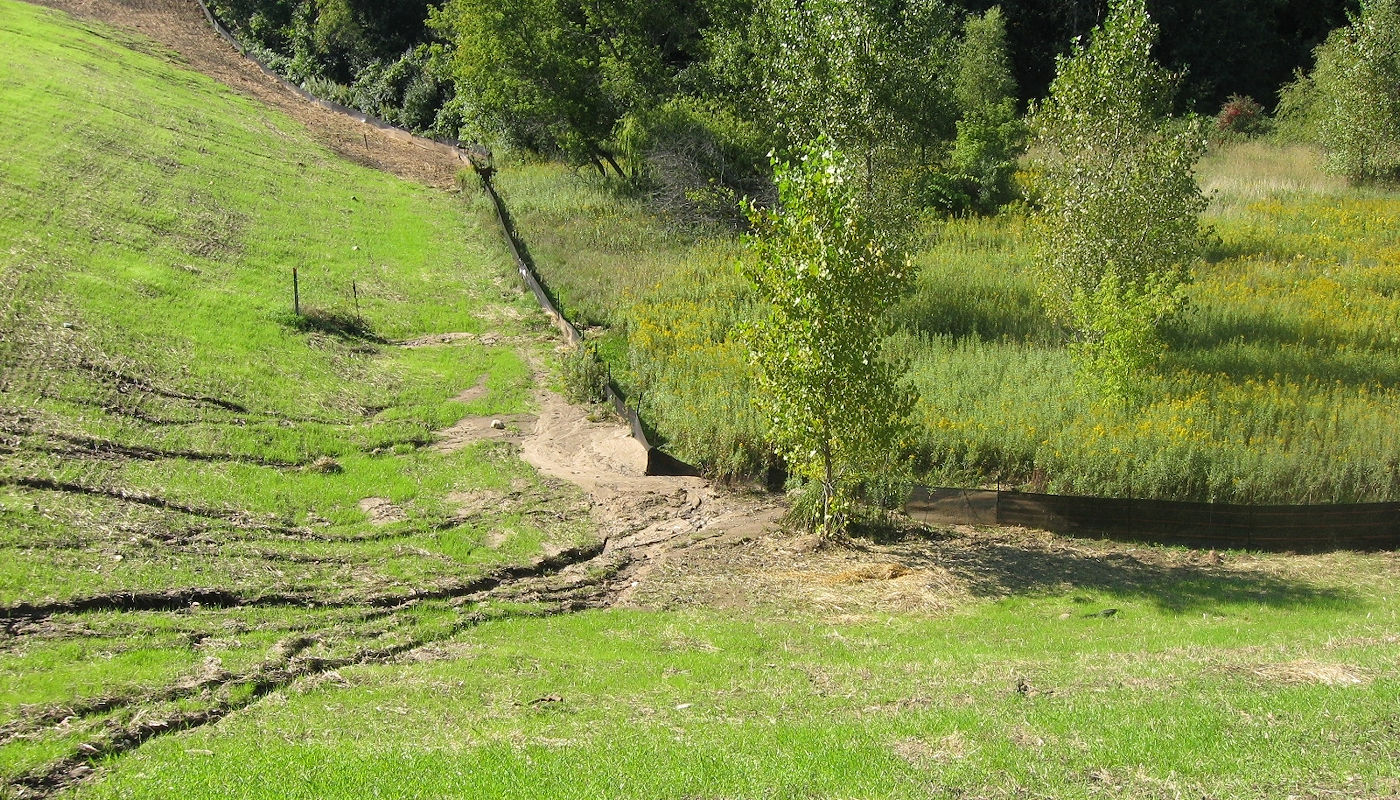
Soil erosion is the process by which soil is removed from the land surface by wind, water, or other geological agents. This discussion focuses on erosion caused by stormwater runoff. Various types of poor land management practices, including overgrazing, deforestation, overgrazing, intensive farming practices, and construction work, lead to avoidable soil erosion. [read more]
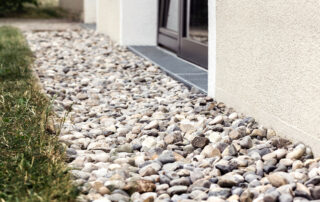
French Drain Systems
A French drain system (also known as a “subsurface drain”, a “weeping tile”, or a “rock drain”) is a trench filled with gravel or rock, with a perforated pipe embedded in the gravel at an angle so that gravity carries water away from the home. From what is visible, a French drain looks like a rock drainage ditch. When done well, it appears to be a nice hardscaping element. [read more]
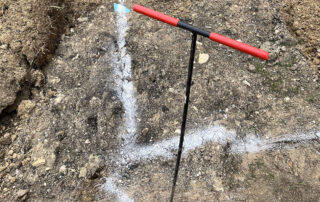





811 Call Before You Dig Underground Utilities
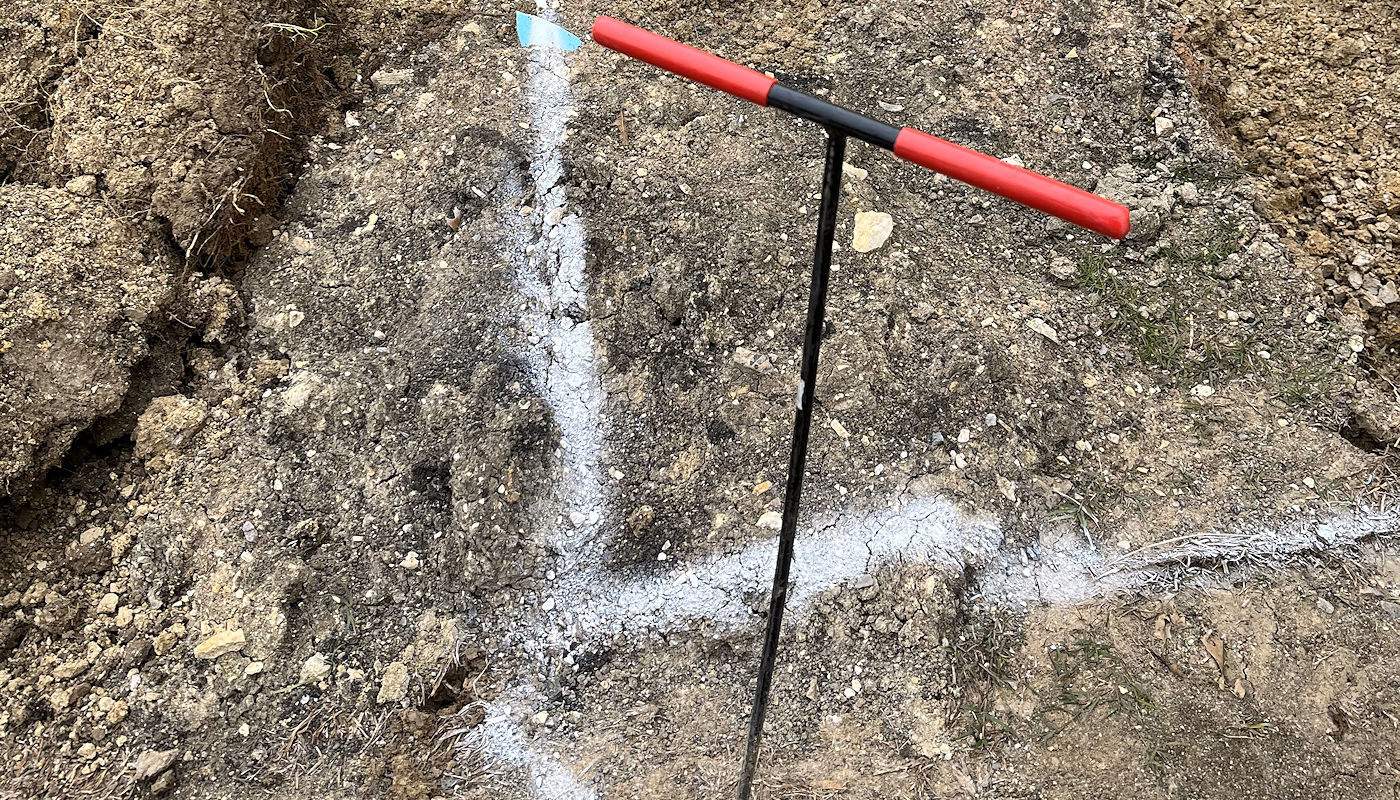
Call before you dig underground utilities for any type construction project. This is the law, and it's there to protect your property and any workers from hitting buried utilities. By calling 811, you can create a notification that will be sent to all the utility companies that are within your work area, instead of searching for multiple utility companies and notifying each one about your project. [read more]
Resources